


Subterms









 Her plays are tragicomedic examinations of American life throughout history. One of her most famous works, "Radium Girls," is about a group of female factory workers who fall ill with radium poisoning. It is a popular choice among high schools and community theaters.
 Her 2012 Off-Broadway play "The Last Seder" is about a Long Island family coming together during a difficult time. She is a lecturer at USC's School for Dramatic Arts, and has been a Playwright in Residence for The Jewish Women's Theatre Project.
This Polish-American playwright won the 2018 Pulitzer Prize for Drama for her Off-Broadway play "Cost of Living." More recently, her play "Queens," which is about a group of immigrant women growing in the New York borough of the same name, premiered Off-Broadway last year.
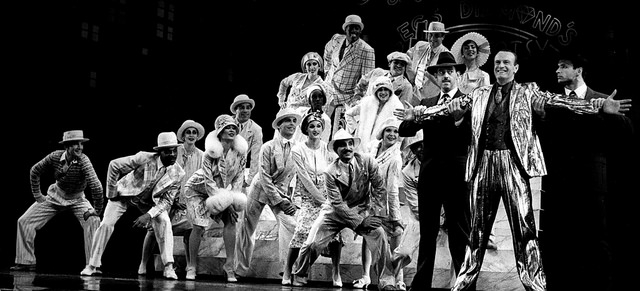 Frank Rich, The New York Times:
Far from being a source of ridiculous slap-happiness, ''Legs Diamond'' is a sobering interlude of minimum-security imprisonment that may inspire you to pull out a pen and attend to long-neglected tasks, like finishing last Sunday's crossword puzzle or balancing a checkbook.
The script is so confusing I lost its thread before the end of the first number. The unhelpful dialogue, which rarely falls trippingly from the company's highly amplified tongues, sounds as if it had been translated from foreign-language comic books. A typical punchline? ''My girls don't come cheap, and neither do sequins.'' (Actually, these sequins look as if they do.) If there's any mystery to ''Legs Diamond,'' it is the one attending [the show’s star Peter] Allen, not the gangster he purports to play. Here is a performer with a single expression - a pop-eyed, I-dare-you-not-to-love-me grin - and a harsh singing voice as taut as his face. He delivers jokes as if he were a ''Hollywood Squares'' second banana struggling with his cue cards, and his dancing amounts to a few Rockette-style high kicks and a lot of wiggling at the joints. As for Mr. Allen's songs, they are so derivative they make Andrew Lloyd Webber's scores sound idiosyncratic.
Frank Rich, The New York Times:
Far from being a source of ridiculous slap-happiness, ''Legs Diamond'' is a sobering interlude of minimum-security imprisonment that may inspire you to pull out a pen and attend to long-neglected tasks, like finishing last Sunday's crossword puzzle or balancing a checkbook.
The script is so confusing I lost its thread before the end of the first number. The unhelpful dialogue, which rarely falls trippingly from the company's highly amplified tongues, sounds as if it had been translated from foreign-language comic books. A typical punchline? ''My girls don't come cheap, and neither do sequins.'' (Actually, these sequins look as if they do.) If there's any mystery to ''Legs Diamond,'' it is the one attending [the show’s star Peter] Allen, not the gangster he purports to play. Here is a performer with a single expression - a pop-eyed, I-dare-you-not-to-love-me grin - and a harsh singing voice as taut as his face. He delivers jokes as if he were a ''Hollywood Squares'' second banana struggling with his cue cards, and his dancing amounts to a few Rockette-style high kicks and a lot of wiggling at the joints. As for Mr. Allen's songs, they are so derivative they make Andrew Lloyd Webber's scores sound idiosyncratic.
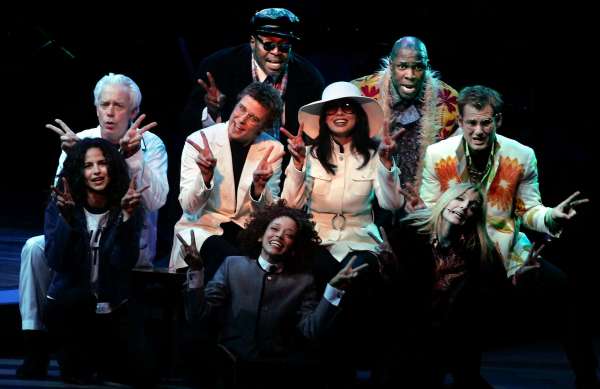 Ben Brantley, The New York Times:
In the immortal words of Yoko Ono, "Aieeeee!" A fierce primal scream -- of the kind Ms. Ono is famous for as a performance and recording artist -- is surely the healthiest response to the agony of "Lennon," the jerry-built musical shrine that opened last night at the Broadhurst Theater.
Ben Brantley, The New York Times:
In the immortal words of Yoko Ono, "Aieeeee!" A fierce primal scream -- of the kind Ms. Ono is famous for as a performance and recording artist -- is surely the healthiest response to the agony of "Lennon," the jerry-built musical shrine that opened last night at the Broadhurst Theater.
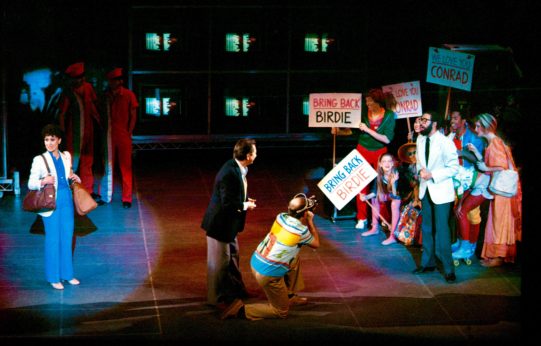 Frank Rich, The New York Times:
If the first ''Birdie'' was invigorating, the new one is depressing right up until that curtain call. Although its creators have done plenty of fine work since their first success, you'd never guess it from this mess. ''Bring Back Birdie'' is not only far inferior to its predecessor, but it is also woefully tired - as if everyone involved had abandoned hope. Instead of doing ''Bring Back Birdie,'' these people should have brought back ''Bye Bye Birdie.'' Or maybe they should have left their and our fond memories in peace.
Though ''Bring Back Birdie'' aspires to bring back everyone's happy youth, it has sent its creators and audience alike crashing into a gloomy middle age.
Frank Rich, The New York Times:
If the first ''Birdie'' was invigorating, the new one is depressing right up until that curtain call. Although its creators have done plenty of fine work since their first success, you'd never guess it from this mess. ''Bring Back Birdie'' is not only far inferior to its predecessor, but it is also woefully tired - as if everyone involved had abandoned hope. Instead of doing ''Bring Back Birdie,'' these people should have brought back ''Bye Bye Birdie.'' Or maybe they should have left their and our fond memories in peace.
Though ''Bring Back Birdie'' aspires to bring back everyone's happy youth, it has sent its creators and audience alike crashing into a gloomy middle age.
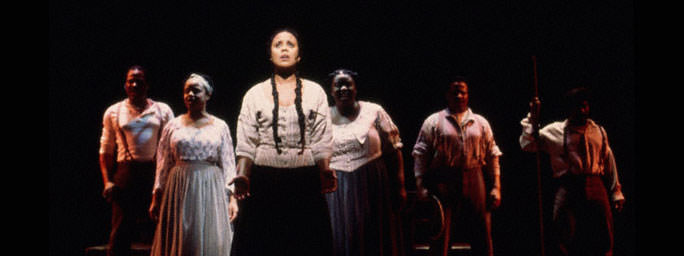 Ben Brantley, The New York Times:
In the wake of any war come questions, dazed, wondering questions. What, finally, did we gain from fighting? What did we learn? Why did this conflict have to happen in the first place?
Perhaps, then, it is appropriate that the new musical called ''The Civil War,'' whose subject is nothing less than what its grand, stark title promises, should provoke a similar litany of questions. Why are we here at the St. James Theater? What is the point in remaining for more than two hours? Why would anyone stage a show that improbably drains the drama from what is still the most fraught and painful chapter in American history?
The show arranges its archetypal elements into confoundingly static patterns, laying out all its cards in its opening minutes and then failing to combine them in ways that would build to revelation or strong emotional response. Though the musical covers the full span of the war, with the names, dates and casualty counts of major battles projected in supertitles, you eventually come to feel that you have been watching the same rotating diorama.
Ben Brantley, The New York Times:
In the wake of any war come questions, dazed, wondering questions. What, finally, did we gain from fighting? What did we learn? Why did this conflict have to happen in the first place?
Perhaps, then, it is appropriate that the new musical called ''The Civil War,'' whose subject is nothing less than what its grand, stark title promises, should provoke a similar litany of questions. Why are we here at the St. James Theater? What is the point in remaining for more than two hours? Why would anyone stage a show that improbably drains the drama from what is still the most fraught and painful chapter in American history?
The show arranges its archetypal elements into confoundingly static patterns, laying out all its cards in its opening minutes and then failing to combine them in ways that would build to revelation or strong emotional response. Though the musical covers the full span of the war, with the names, dates and casualty counts of major battles projected in supertitles, you eventually come to feel that you have been watching the same rotating diorama.
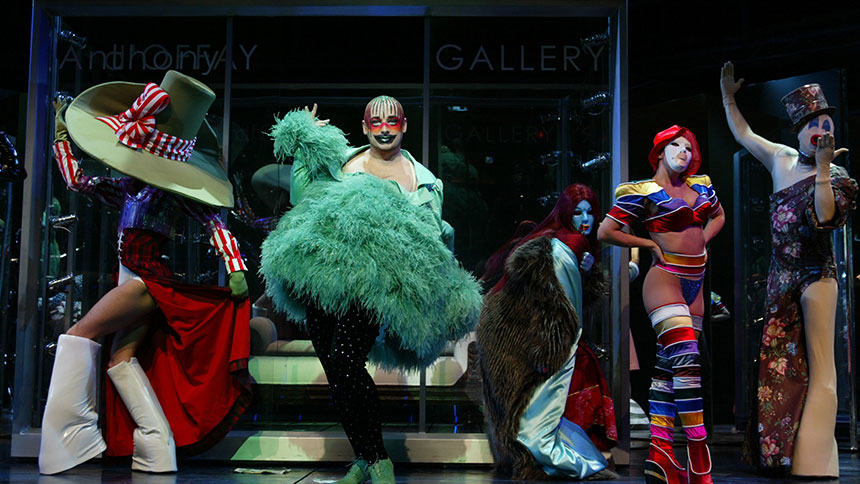 Peter Marks, The Washington Post:
Experiencing the stultifying "Taboo," you feel as if you could be standing on a shaky pier on the edge of theaterland, waving the SS Broadway Musical goodbye.
This sort of sensation comes on those dispiriting nights when big, new, expensive shows bearing all the telltale signs of actual entertainment -- starry names, busy choreography, lighting -- reveal how far the musical has strayed from traditional craftsmanship. During these peculiar events, you find yourself questioning the entire institution of Broadway, wondering whether anyone will ever again levitate an audience with imaginative songs painstakingly woven into a story of bona fide human consequence.
The feeling will pass, of course, because the regenerative impulse in your psyche guides you to the memory of a recent success like "Avenue Q," a witty, melodious sendup of urban mores and post-graduation angst. But still, Broadway continues to shelter hokum like "Taboo," a production with such an acute case of meaning-deprivation that you almost forget what's happening as it's happening.
The wasted actors -- as in misused -- include the estimable Raul Esparza, playing a cross-dressing London club promoter who narrates this musical-in-flashback. Esparza is so fired-up here you want the stagehands to keep him away from matches; he's a combustible presence, but if the performance were any more intense, it could embarrass even Mandy Patinkin.
Peter Marks, The Washington Post:
Experiencing the stultifying "Taboo," you feel as if you could be standing on a shaky pier on the edge of theaterland, waving the SS Broadway Musical goodbye.
This sort of sensation comes on those dispiriting nights when big, new, expensive shows bearing all the telltale signs of actual entertainment -- starry names, busy choreography, lighting -- reveal how far the musical has strayed from traditional craftsmanship. During these peculiar events, you find yourself questioning the entire institution of Broadway, wondering whether anyone will ever again levitate an audience with imaginative songs painstakingly woven into a story of bona fide human consequence.
The feeling will pass, of course, because the regenerative impulse in your psyche guides you to the memory of a recent success like "Avenue Q," a witty, melodious sendup of urban mores and post-graduation angst. But still, Broadway continues to shelter hokum like "Taboo," a production with such an acute case of meaning-deprivation that you almost forget what's happening as it's happening.
The wasted actors -- as in misused -- include the estimable Raul Esparza, playing a cross-dressing London club promoter who narrates this musical-in-flashback. Esparza is so fired-up here you want the stagehands to keep him away from matches; he's a combustible presence, but if the performance were any more intense, it could embarrass even Mandy Patinkin.
 Adam Feldman, Time Out New York:
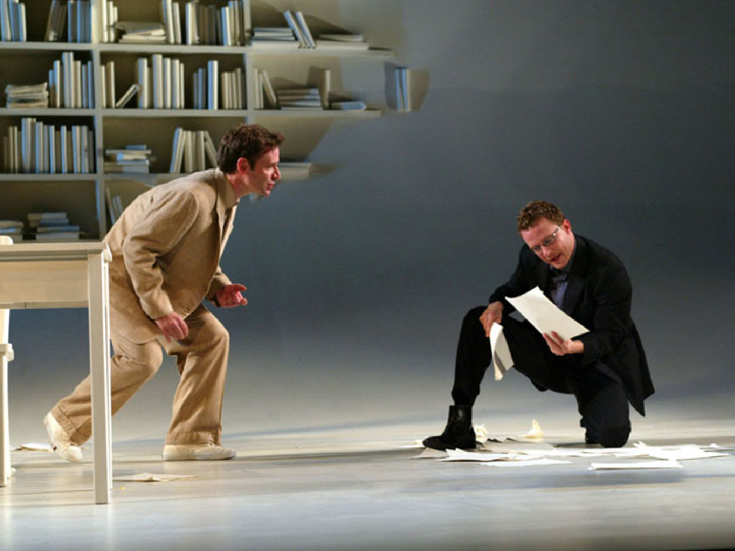
“The Story of My Life” is a two-man musical with a dual personality. Half of Brian Hill and Neil Bartram’s well-meaning piece examines the tension between memory and fiction, as seen through the lives of two men with a knack for verbose self-reflection; the other half is a collage of cultural platitudes about butterflies, angels and snowflakes. The show can’t decide if it wants to be Stephen Sondheim or a gift shop in Topeka.
“The Story of My Life” needs fewer stories and more life. It is hard to imagine that this snowflake of a show will survive in the Broadway drift: It has wings, but it doesn’t have a prayer.
---
Ben Brantley, The New York Times:
In addition to jettisoning the usual excesses of tourist-trapping extravaganzas, they have tossed away such niceties as originality, credibility, tension and excitement. I don't think it's spoiling anything to tell you that [Malcolm] Gets's character is dead when the show begins. So, for all practical purposes, is "The Story of My Life."
And as directed by [Richard] Maltby, [actor Will] Chase (of "Lennon" and "High Fidelity") and Mr. Gets (a Tony nominee for "Amour") sing and act with winning (and, under the circumstances, merciful) restraint. It is to their infinite credit that even when they're extolling the precious glories of snow angels and a butterfly's wings, you don't feel like punching them in the face.
Adam Feldman, Time Out New York:
“The Story of My Life” is a two-man musical with a dual personality. Half of Brian Hill and Neil Bartram’s well-meaning piece examines the tension between memory and fiction, as seen through the lives of two men with a knack for verbose self-reflection; the other half is a collage of cultural platitudes about butterflies, angels and snowflakes. The show can’t decide if it wants to be Stephen Sondheim or a gift shop in Topeka.
“The Story of My Life” needs fewer stories and more life. It is hard to imagine that this snowflake of a show will survive in the Broadway drift: It has wings, but it doesn’t have a prayer.
---
Ben Brantley, The New York Times:
In addition to jettisoning the usual excesses of tourist-trapping extravaganzas, they have tossed away such niceties as originality, credibility, tension and excitement. I don't think it's spoiling anything to tell you that [Malcolm] Gets's character is dead when the show begins. So, for all practical purposes, is "The Story of My Life."
And as directed by [Richard] Maltby, [actor Will] Chase (of "Lennon" and "High Fidelity") and Mr. Gets (a Tony nominee for "Amour") sing and act with winning (and, under the circumstances, merciful) restraint. It is to their infinite credit that even when they're extolling the precious glories of snow angels and a butterfly's wings, you don't feel like punching them in the face.
 Ben Brantley, The New York Times:
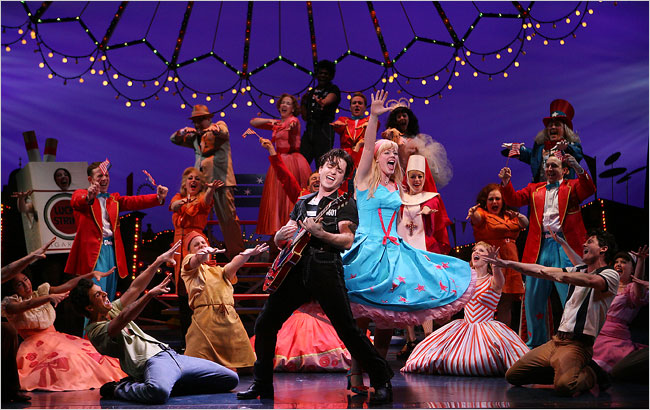
There's no delicate way of putting this. Cry-Baby is ... tasteless. ... When I said "tasteless," I meant without flavor: sweet, sour, salty, putrid or otherwise. This show in search of an identity has all the saliva-stirring properties of week-old pre-chewed gum.
---
Clive Barnes, New York Post:
The music comes in two rocky flavors -- cheery and droopy. It's the kind of music that makes you wonder whether you've heard it before, just before you stop caring.
---
Mary Carol McCauley, The Baltimore Sun:
Opportunity knocked last night at the door of the Marquis Theatre, where Cry-Baby is making its Broadway debut. But nobody answered.
Ben Brantley, The New York Times:
There's no delicate way of putting this. Cry-Baby is ... tasteless. ... When I said "tasteless," I meant without flavor: sweet, sour, salty, putrid or otherwise. This show in search of an identity has all the saliva-stirring properties of week-old pre-chewed gum.
---
Clive Barnes, New York Post:
The music comes in two rocky flavors -- cheery and droopy. It's the kind of music that makes you wonder whether you've heard it before, just before you stop caring.
---
Mary Carol McCauley, The Baltimore Sun:
Opportunity knocked last night at the door of the Marquis Theatre, where Cry-Baby is making its Broadway debut. But nobody answered.
 David Cote, Time Out New York:
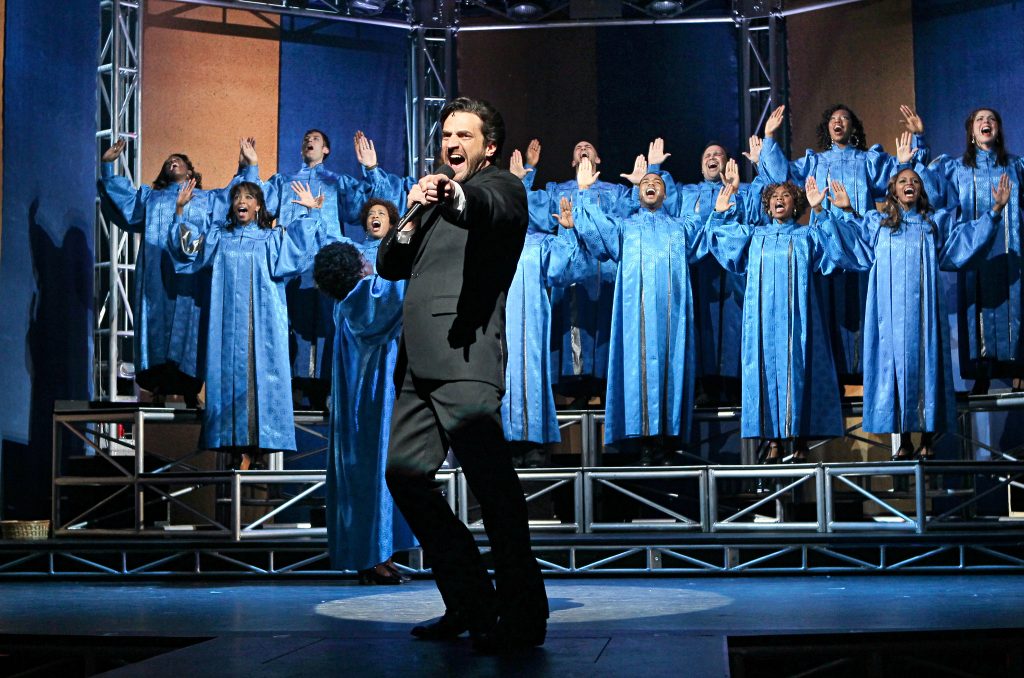
Want to make a ton of money? Peddle God to fools. Want to lose a ton of money? Invest in a Broadway turkey. You can’t have it both ways. It’s perfectly fine—even desirable—if your religion is crude and nonsensical, but a show as bland and confused as “Leap of Faith” is not going to make rich men of its producers (among whom are actual church leaders). The fake cash distributed by actors to audience members—so we may place it in the offertory baskets at Jonas Nightingale’s revivalist hoedowns—is all the green this wanly tacky production is likely to see.
David Cote, Time Out New York:
Want to make a ton of money? Peddle God to fools. Want to lose a ton of money? Invest in a Broadway turkey. You can’t have it both ways. It’s perfectly fine—even desirable—if your religion is crude and nonsensical, but a show as bland and confused as “Leap of Faith” is not going to make rich men of its producers (among whom are actual church leaders). The fake cash distributed by actors to audience members—so we may place it in the offertory baskets at Jonas Nightingale’s revivalist hoedowns—is all the green this wanly tacky production is likely to see.
 Ben Brantley, The New York Times:
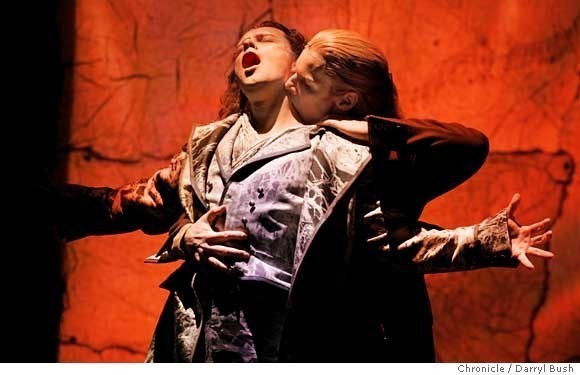
A promising new contender has arrived in a crowded pharmaceutical field. Joining the ranks of Ambien, Lunesta, Sonata and other prescription lullaby drugs is “Lestat,” the musical sleeping pill that opened last night at the Palace Theater. Dare to look upon “Lestat” and keep your eyelids from growing heavier and heavier.
Ben Brantley, The New York Times:
A promising new contender has arrived in a crowded pharmaceutical field. Joining the ranks of Ambien, Lunesta, Sonata and other prescription lullaby drugs is “Lestat,” the musical sleeping pill that opened last night at the Palace Theater. Dare to look upon “Lestat” and keep your eyelids from growing heavier and heavier.
 Clive Barnes, The New York Times:
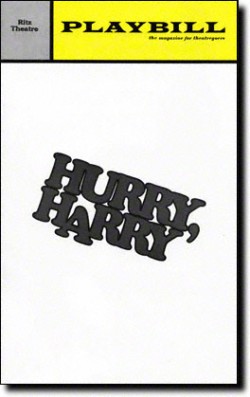
Muggings, massage parlors and disasters such as “Hurry, Harry” have all conspired to give Broadway a bad name. It is so feeble that even its opening is I suppose worthy of congratulation -- lesser men would have given up in the face of the inevitable. But the producer, Peter Grad, and the three people who wrote the book, the man who wrote the music, and the man who wrote the lyrics fought on in spite of everything.
It is sad when this kind of thing happens-- sad for the backers, sad for the people who worked for it, sad for the critics forced to pan it. The critic in such circumstances is a particular innocent. Halfway through he is tempted in a paranoid fashion to wonder: “What did I ever do to you guys that you have to give me such a rotten night?’ Oh, well!”
Clive Barnes, The New York Times:
Muggings, massage parlors and disasters such as “Hurry, Harry” have all conspired to give Broadway a bad name. It is so feeble that even its opening is I suppose worthy of congratulation -- lesser men would have given up in the face of the inevitable. But the producer, Peter Grad, and the three people who wrote the book, the man who wrote the music, and the man who wrote the lyrics fought on in spite of everything.
It is sad when this kind of thing happens-- sad for the backers, sad for the people who worked for it, sad for the critics forced to pan it. The critic in such circumstances is a particular innocent. Halfway through he is tempted in a paranoid fashion to wonder: “What did I ever do to you guys that you have to give me such a rotten night?’ Oh, well!”
 Ben Brantley, The New York Times:
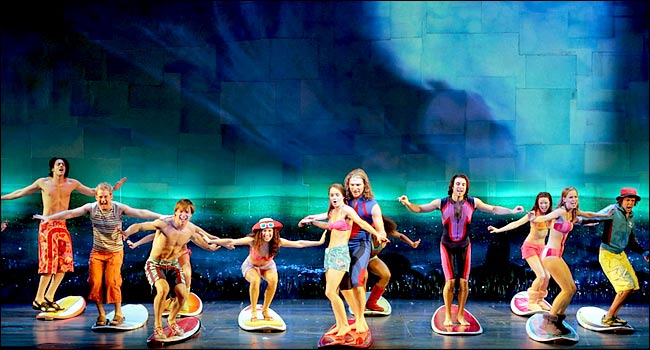
Even those who believe everything on this planet is here for a purpose may at first have trouble justifying the existence of "Good Vibrations," the singing headache that opened last night at the Eugene O'Neill Theater.
But audience members strong enough to sit through this rickety jukebox of a show, which manages to purge all catchiness from the surpassingly catchy hits of the Beach Boys, will discover that the production does have a reason to be, and a noble one: "Good Vibrations" sacrifices itself, night after night and with considerable anguish, to make all other musicals on Broadway look good.
Ben Brantley, The New York Times:
Even those who believe everything on this planet is here for a purpose may at first have trouble justifying the existence of "Good Vibrations," the singing headache that opened last night at the Eugene O'Neill Theater.
But audience members strong enough to sit through this rickety jukebox of a show, which manages to purge all catchiness from the surpassingly catchy hits of the Beach Boys, will discover that the production does have a reason to be, and a noble one: "Good Vibrations" sacrifices itself, night after night and with considerable anguish, to make all other musicals on Broadway look good.
 Frank Rich, The New York Times:
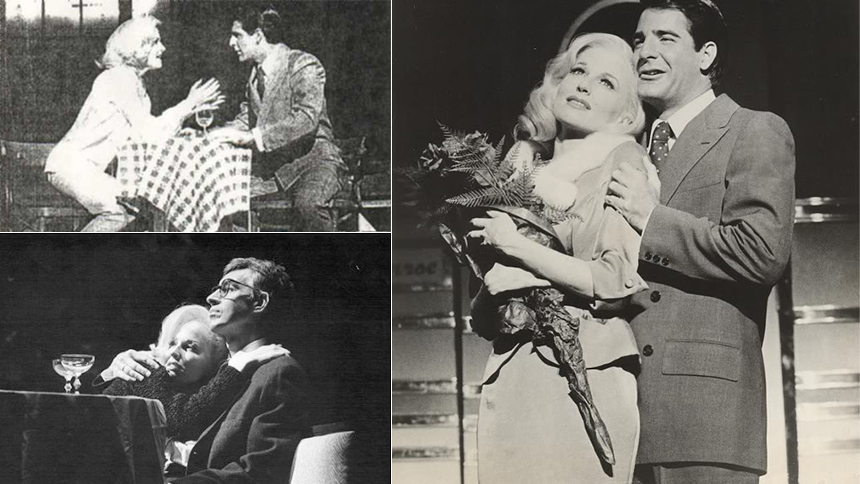
If you read all the fine print in the Playbill for ''Marilyn: An American Fable,'' you'll discover that the new musical at the Minskoff has 16 producers and 10 songwriters. If you mistakenly look up from the Playbill to watch the show itself, you may wonder whether those 26 persons were ever in the same rehearsal room - or even the same city - at the same time. On top of its many other failings, ''Marilyn'' is incoherent to the point of being loony. I defy anyone to explain - just for starters - why 10 chorus boys dressed in pink plumbers' costumes sing a song about bubble baths at the climax of Act II.
[post_title] => 12 Times The Critics Were Absolutely Savage (But Not Necessarily Wrong)
[post_excerpt] =>
[post_status] => publish
[comment_status] => open
[ping_status] => open
[post_password] =>
[post_name] => 12-times-critics-were-absolutely-savage-not-necessarily-wrong
[to_ping] =>
[pinged] =>
[post_modified] => 2019-03-07 10:58:27
[post_modified_gmt] => 2019-03-07 15:58:27
[post_content_filtered] =>
[post_parent] => 0
[guid] => https://theatrenerds.com/?p=371432
[menu_order] => 0
[post_type] => post
[post_mime_type] =>
[comment_count] => 2
[filter] => raw
)
[3] => WP_Post Object
(
[ID] => 370978
[post_author] => 11
[post_date] => 2019-03-05 09:26:17
[post_date_gmt] => 2019-03-05 14:26:17
[post_content] => Venturing into the happiest place on earth means ordering one too many Mickey pretzels, riding Space Mountain a dozen times, and coming face to face with The Mouse himself - but it can also mean a wide range of live entertainment. While Walt Disney World in Florida and Disneyland in California both offer plenty of fun just by being in their respective parks (themed attractions, parades, characters and fireworks galore!), the resorts are home to a number of exclusive live theatre shows.
Frank Rich, The New York Times:
If you read all the fine print in the Playbill for ''Marilyn: An American Fable,'' you'll discover that the new musical at the Minskoff has 16 producers and 10 songwriters. If you mistakenly look up from the Playbill to watch the show itself, you may wonder whether those 26 persons were ever in the same rehearsal room - or even the same city - at the same time. On top of its many other failings, ''Marilyn'' is incoherent to the point of being loony. I defy anyone to explain - just for starters - why 10 chorus boys dressed in pink plumbers' costumes sing a song about bubble baths at the climax of Act II.
[post_title] => 12 Times The Critics Were Absolutely Savage (But Not Necessarily Wrong)
[post_excerpt] =>
[post_status] => publish
[comment_status] => open
[ping_status] => open
[post_password] =>
[post_name] => 12-times-critics-were-absolutely-savage-not-necessarily-wrong
[to_ping] =>
[pinged] =>
[post_modified] => 2019-03-07 10:58:27
[post_modified_gmt] => 2019-03-07 15:58:27
[post_content_filtered] =>
[post_parent] => 0
[guid] => https://theatrenerds.com/?p=371432
[menu_order] => 0
[post_type] => post
[post_mime_type] =>
[comment_count] => 2
[filter] => raw
)
[3] => WP_Post Object
(
[ID] => 370978
[post_author] => 11
[post_date] => 2019-03-05 09:26:17
[post_date_gmt] => 2019-03-05 14:26:17
[post_content] => Venturing into the happiest place on earth means ordering one too many Mickey pretzels, riding Space Mountain a dozen times, and coming face to face with The Mouse himself - but it can also mean a wide range of live entertainment. While Walt Disney World in Florida and Disneyland in California both offer plenty of fun just by being in their respective parks (themed attractions, parades, characters and fireworks galore!), the resorts are home to a number of exclusive live theatre shows.
 Disney Parks
 Disney Parks
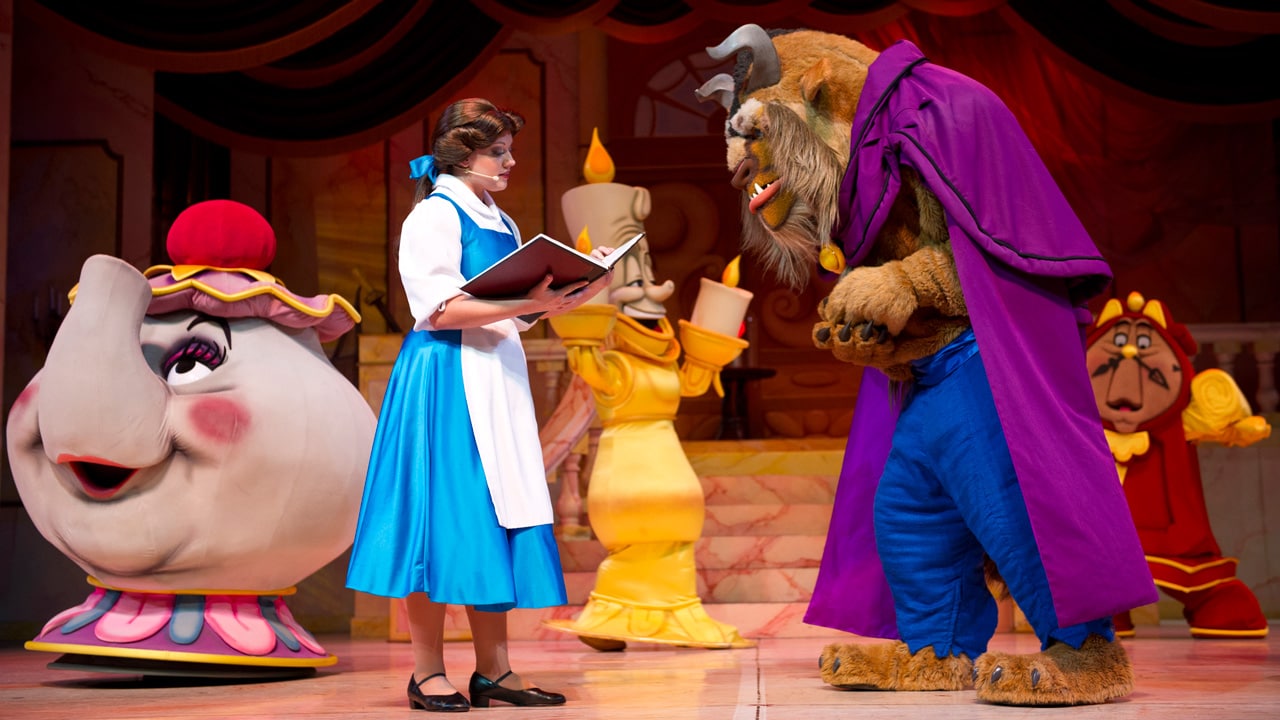
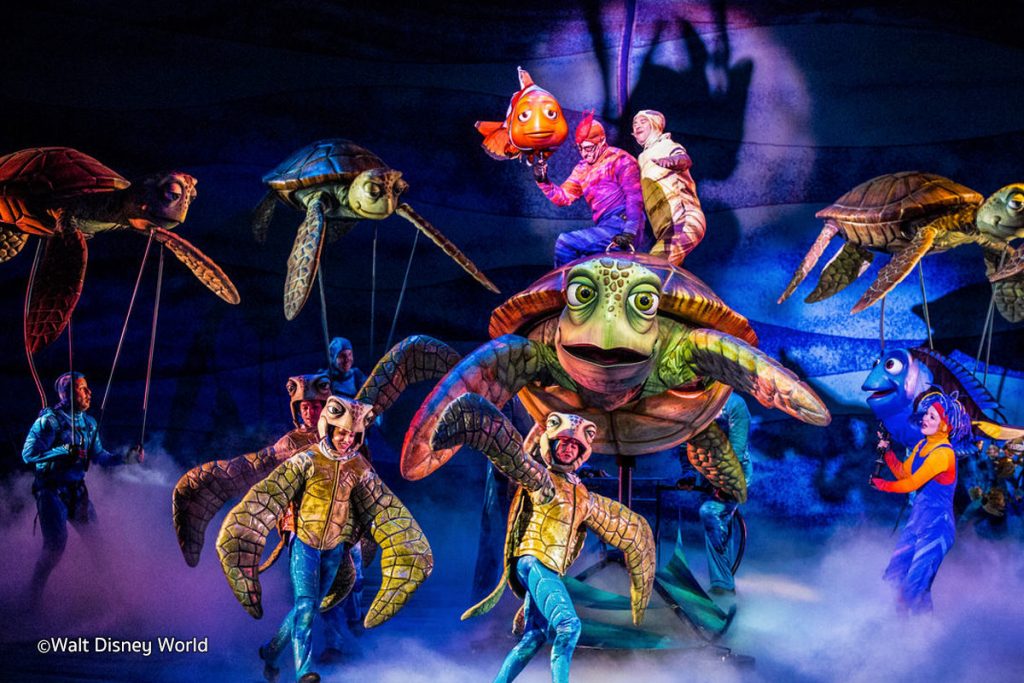 Children of all ages will adore “Finding Nemo - The Musical,” a colorful, visually-breathtaking stage musical tucked into Disney’s Animal Kingdom. It’s one of the resort’s longer live shows with a running time of approximately 40 minutes, and it’s the perfect entertainment if you’re looking to sit and enjoy some fun theatre.
Location: Animal Kingdom
Times & Information: HERE
Children of all ages will adore “Finding Nemo - The Musical,” a colorful, visually-breathtaking stage musical tucked into Disney’s Animal Kingdom. It’s one of the resort’s longer live shows with a running time of approximately 40 minutes, and it’s the perfect entertainment if you’re looking to sit and enjoy some fun theatre.
Location: Animal Kingdom
Times & Information: HERE
 Undercover Tourist
 Undercover Tourist
 WDW Magic / The Kingdom Insider
 Disney Parks
“The Little Mermaid” on Broadway’s original Sebastian has his star turn as a wannabe Broadway actor on Netflix’s recently finished “The Unbreakable Kimmy Schmidt.” Titus Andromedon came from the deep south, where boys who wanted to do musical theatre were considered… different. He finally makes it to New York, where he meets Kimmy and Lillian, who encourage him to follow his dreams. This Netflix original series released part two of its final season in January 2019, and is still available to stream.
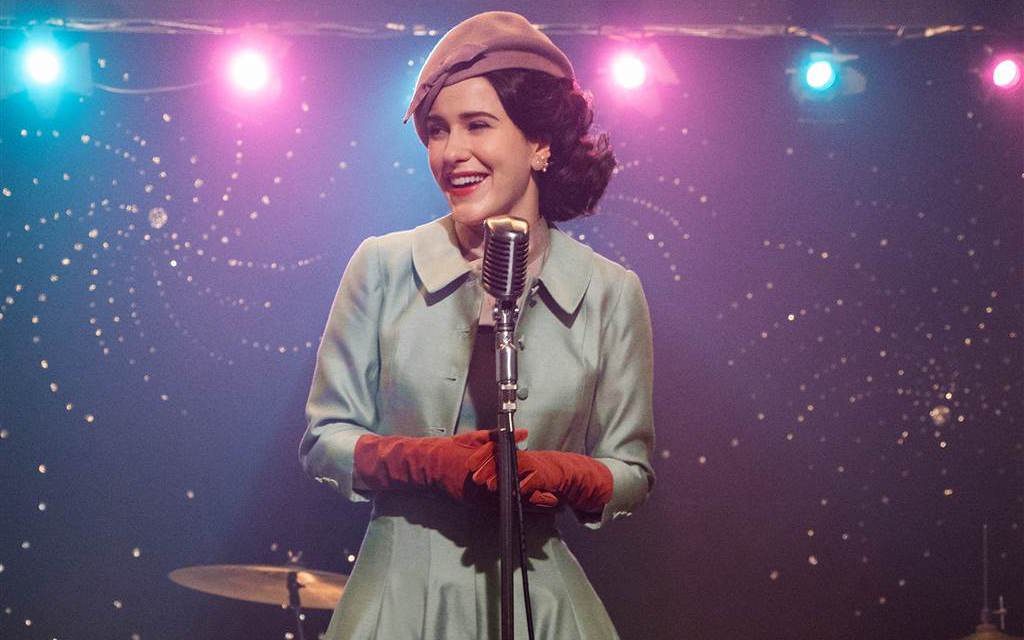 Amazon Prime’s award-winning original has swept audiences by storm with its quirky slew of characters, its lovable leading lady, its smart dialogue and its empowering story. Enter Midge Maisel, a spunky housewife living on the Upper West Side of New York City during the 1950s. With a husband, two children, and a wardrobe fit for a queen, Midge’s charmed life seems picture perfect...until her husband unexpectedly leaves, and she stumbles into a whirlwind stand-up comedy career. With a cast of colorful characters and plenty of hilarious mishaps (plus actual comedy routines), ‘Maisel’ is a shoo-in for a fabulous theatrical makeover.
 The Broadway stage is no stranger to dark comedies and Netflix’s latest creepy series, ‘You’, has the potential to find its place in the theatre world. This psychological thriller quite literally follows Beck, an aspiring writer in New York City, through the eyes of her stalker, Joe Goldberg. While narrator Joe first comes across as your typical all-American guy in his twenties, an unsettling truth starts to unravel. ‘You’ is suspenseful, dramatic and could certainly make for musical material.
 Imagine arriving at the pearly white gates of heaven only to find there’s been a mix-up, and you’re not supposed to be there... That’s fate for Eleanor Shellstrop (Kristen Bell) in NBC’s ‘The Good Place’. This light-hearted comedy series is full of silly twists and turns and delivers some meaningful messages too. Give us a choir of singing angels, a dancing Janet, an ensemble number about all of The Good Place’s frozen yogurt joints, and Broadway is sure to be forkin’ blessed.
 A tap-dancing Count Olaf and some belting Baudelaires - we’re all about the concept of ‘A Series Of Unfortunate Events: The Musical’. This popular children’s book series- turned-Netflix-show has more than enough drama to keep audiences engaged as they watch Violet, Klaus, and Sunny narrowly escape the clutches of one ominous count. (Petition for Neil Patrick Harris to reprise Count Olaf in the Broadway musical?)
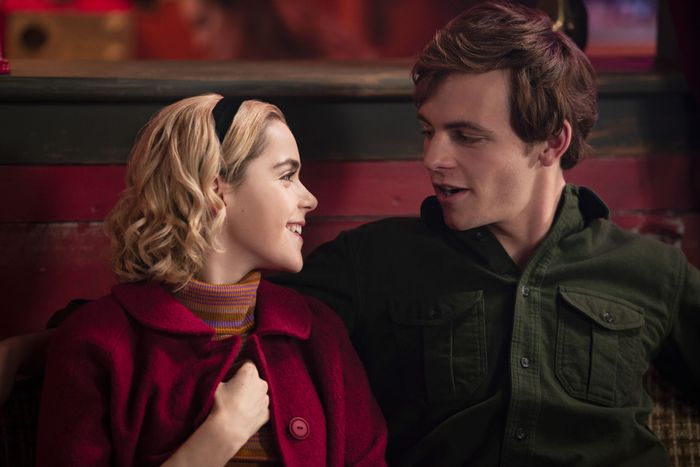 The life of Sabrina Spellman no longer requires a laugh track in Netflix’s new iteration exploring the highs and lows of being a teenage witch in the normal human world. Based on a comic series of the same name, ‘The Chilling Adventures of Sabrina’ is a revamped, mystical TV show centered around its beloved half-witch, half-mortal heroine. A pinch of music, a dust of magic and a healthy dose of high school drama seems like the perfect brew for a stage adaptation that will give us chills.
 Last year, ‘Glee’ creators Ryan Murphy and Bryan Falchuk reunited to bring the first season of ‘Pose’ to FX. This distinctive series acts as a commentary on life in New York City for a diverse ensemble of characters during the 1980s. The show includes plenty of music and dives deep into something as simple as someone's everyday life, which is why we think ‘Pose’ would make impactful theatre.
 While we’re not so sure this Hulu masterpiece lends itself to song and dance, a live retelling of ‘The Handmaid’s Tale’ saga would most certainly be a powerful production onstage. For centuries, theatre has embraced progressive storytelling - and this dystopian society in which women are forced into various roles such as child-bearers (otherwise known as “handmaids”) carries some pretty heavy albeit essential themes. The show does take audiences through different facets of the Gilead republic but focuses primarily on the hardships of one enslaved woman called June. Watching June’s journey unfold onstage is bound to make for a night of thought-provoking theatre.
 If you’re a fan of Netflix’s wild series, ‘Unbreakable Kimmy Schmidt’, which culminated in January of 2019, you’ve probably watched those Titus Andromedon musical numbers on repeat. Throughout the comedy’s four seasons, Kimmy Schmidt’s best friend Titus (a theatre nerd if there ever was one) continuously makes musical theatre references and even breaks out into song. As for the show’s premise? In the very first episode, Kimmy is rescued from an underground bunker where she was held hostage by a crazy cult leader for the past 15 years, and must then cope with adjusting to modern-day city life.
/cdn.vox-cdn.com/uploads/chorus_image/image/55970699/Helen_Sloan___HBO__Photo_3_.0.jpg) Winter may be coming for the very last time in 2019, but our fingers are crossed for George R. R. Martin’s massive phenomenon to receive the theatre treatment somewhere down the road. While putting together a production of this scale would undoubtedly prove a challenge (there are dragons after all), experiencing the Seven Kingdoms onstage would be worth it. Though the journeys that take place in this fantasy realm are complex, HBO’s series shares tales of love, loss, family, and the battle between good versus evil. Kisha laz atthirarido… that’s “we can dream” in Dothraki.
Winter may be coming for the very last time in 2019, but our fingers are crossed for George R. R. Martin’s massive phenomenon to receive the theatre treatment somewhere down the road. While putting together a production of this scale would undoubtedly prove a challenge (there are dragons after all), experiencing the Seven Kingdoms onstage would be worth it. Though the journeys that take place in this fantasy realm are complex, HBO’s series shares tales of love, loss, family, and the battle between good versus evil. Kisha laz atthirarido… that’s “we can dream” in Dothraki.
 Musicals have been a part of my life for as long as I can remember. Although my mother despises them, I was fortunate enough to have an aunt and cousins who appreciated them and were willing to indulge me. I can't remember how old I was the first time that I saw the Rocky Horror Picture Show--other than to say that I was far too young to be watching it--but that movie changed my life; it stirred within me an intense passion for musicals that has never been quenched.
In high school, I made friends with some of the drama kids. It was so cathartic to be around people who understood my passion and to be in a place where there was no judgment. During intermission, we'd jam to showtunes in the dressing rooms. I always ask musical theater fans what their favorite musical is, and I hear all of the standards: Phantom of the Opera, Wicked, Les Miserbles, Hamilton, and Rent, but never have I come across a fellow fan of Miss Saigon. In fact, any musical fan friend I've mentioned it to has said that while they've heard good things about the show, they have not experienced it themselves.
The musical is an updated adaption of the opera Madame Butterfly by Giacomo Puccini and features a score by the genius duo behind Les Miserables, Claude-Michel Schönberg and Alain Boubil. It is Broadway's thirteenth longest running show, opening in 1991 after succeeding in the West End in London for 2 years. Filipina singer Lea Salonga made her musical debut as the lead heroine, Kim, at the age of 17.
Musicals have been a part of my life for as long as I can remember. Although my mother despises them, I was fortunate enough to have an aunt and cousins who appreciated them and were willing to indulge me. I can't remember how old I was the first time that I saw the Rocky Horror Picture Show--other than to say that I was far too young to be watching it--but that movie changed my life; it stirred within me an intense passion for musicals that has never been quenched.
In high school, I made friends with some of the drama kids. It was so cathartic to be around people who understood my passion and to be in a place where there was no judgment. During intermission, we'd jam to showtunes in the dressing rooms. I always ask musical theater fans what their favorite musical is, and I hear all of the standards: Phantom of the Opera, Wicked, Les Miserbles, Hamilton, and Rent, but never have I come across a fellow fan of Miss Saigon. In fact, any musical fan friend I've mentioned it to has said that while they've heard good things about the show, they have not experienced it themselves.
The musical is an updated adaption of the opera Madame Butterfly by Giacomo Puccini and features a score by the genius duo behind Les Miserables, Claude-Michel Schönberg and Alain Boubil. It is Broadway's thirteenth longest running show, opening in 1991 after succeeding in the West End in London for 2 years. Filipina singer Lea Salonga made her musical debut as the lead heroine, Kim, at the age of 17.
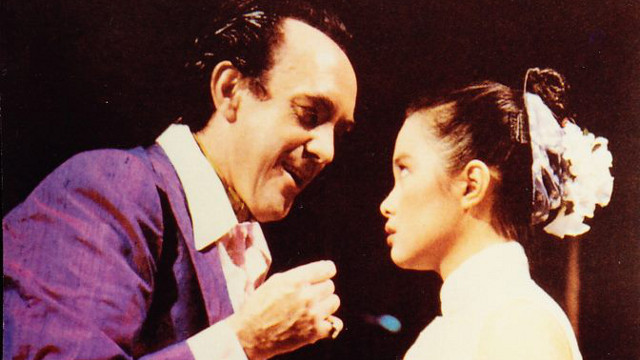 Set during the fall of Saigon during the final days of Vietnam War, the musical tells the tragic story of a young orphan who gets entangled in a world of prostitution and corruption to survive. On her first night as a bargirl at the seedy bar Dreamland, Kim's virginity is bought by a US marine, John, for his friend Chris. Chris is initially reluctant to partake in his gift, but relents, and desperate for any connection, the two fall in love. Chris vows to save Kim from her life of degradation, only for the two to be tragically separated when the US troops were suddenly recalled home. It's a tragic love story that pulls at the heartstrings and despite its risque subject matter, it never comes across as profane, just a sad way of life for these characters.
https://www.youtube.com/watch?v=B6PoGJ-YKa0
The score is beautifully done with wonderful songs such as: "Sun and Moon" and "The Last Night of the World" two of Kim and Chris's love songs, as well as "I Still Believe," and the heartbreaking showstopper "I'd Give My Life For You."
Set during the fall of Saigon during the final days of Vietnam War, the musical tells the tragic story of a young orphan who gets entangled in a world of prostitution and corruption to survive. On her first night as a bargirl at the seedy bar Dreamland, Kim's virginity is bought by a US marine, John, for his friend Chris. Chris is initially reluctant to partake in his gift, but relents, and desperate for any connection, the two fall in love. Chris vows to save Kim from her life of degradation, only for the two to be tragically separated when the US troops were suddenly recalled home. It's a tragic love story that pulls at the heartstrings and despite its risque subject matter, it never comes across as profane, just a sad way of life for these characters.
https://www.youtube.com/watch?v=B6PoGJ-YKa0
The score is beautifully done with wonderful songs such as: "Sun and Moon" and "The Last Night of the World" two of Kim and Chris's love songs, as well as "I Still Believe," and the heartbreaking showstopper "I'd Give My Life For You."
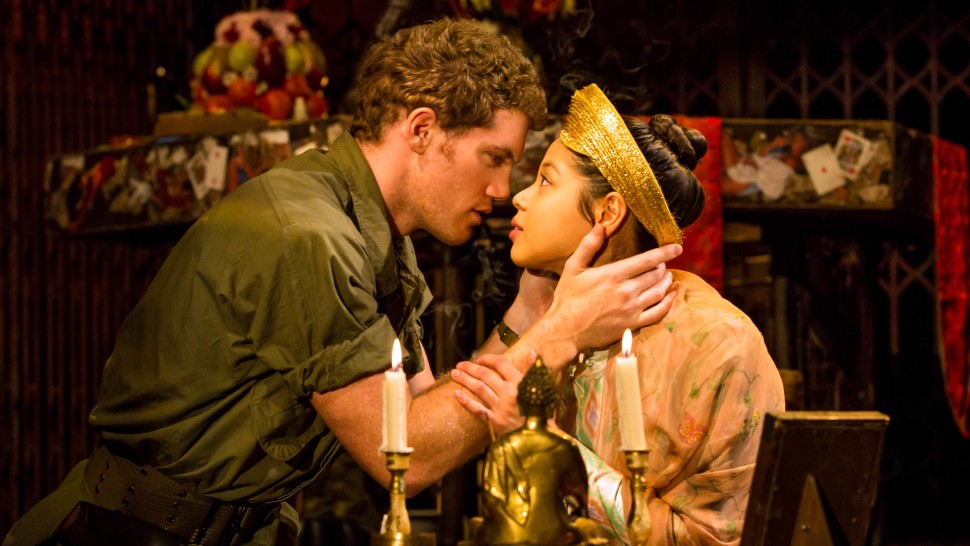 In 2014, the show was revived in London and fellow Filipina, Eva Noblezada was cast as Kim. Following a successful 2 year run, it transferred to Broadway for a year before closing once more. A film adaption has been rumored to be in the works for years, however, nothing has as of yet, surfaced, though the 25th anniversary performance was filmed and released on DVD in the UK.
Having a wide range of shows to choose from, I can honestly say that Miss Saigon is one of my absolute favorite shows. Not only does it showcase the most under-represented culture and ethnicity, but the story is so engrossing that you're sucked right in and your heart breaks along with Kim's. Her journey from scared child to fearless mother willing to die for her young son is captivating and the shocking ending leaves you in tears. This is a story of survival, love, determination, and above all else, strength that is universal to everyone.
Why this amazing show isn't more popular among the theater crowd, I will never know. Seriously, if you have not seen this show, or at least listened to the soundtrack, you are missing out. There are very few times before that a show has impacted me as much as Miss Saigon did when I finished the 2014 live recording album for the first time. I am hopeful that the success of both productions of the revival will spur the film adaption on an that the revival cast will get to reprise their roles on screen; Eva Noblezada was born to play this role and after having heard her countless times on the album and seen her in the 25th anniversary live DVD, there is no one else who can do the role justice, besides Lea Salonga, of course.
The OBC and 2014 live recordings can be found on Youtube, as well as the 2001 Manila tour production -- featuring Lea Salonga. I was able to find the 25th anniversary movie on a site and download it onto my computer since it was never released in the US on either DVD or digital.
Please go and check this show out. Even if it isn't your cup of tea, even if it isn't your new favorite show, it's worth a shot.
[post_title] => Miss Saigon Is An Underrated Gem
[post_excerpt] =>
[post_status] => publish
[comment_status] => closed
[ping_status] => open
[post_password] =>
[post_name] => miss-saigon-is-an-underrated-gem
[to_ping] =>
[pinged] =>
[post_modified] => 2019-02-24 19:28:51
[post_modified_gmt] => 2019-02-25 00:28:51
[post_content_filtered] =>
[post_parent] => 0
[guid] => https://theatrenerds.com/?p=370968
[menu_order] => 0
[post_type] => post
[post_mime_type] =>
[comment_count] => 0
[filter] => raw
)
[8] => WP_Post Object
(
[ID] => 371054
[post_author] => 2205
[post_date] => 2019-02-21 10:01:32
[post_date_gmt] => 2019-02-21 15:01:32
[post_content] => Whether ‘tis nobler in the mind to soak in all the applause onstage or to be the unsung hero of the backstage the decision to act or to tech is a hard one. Here are a couple of questions to ask yourself to make the decision:
In 2014, the show was revived in London and fellow Filipina, Eva Noblezada was cast as Kim. Following a successful 2 year run, it transferred to Broadway for a year before closing once more. A film adaption has been rumored to be in the works for years, however, nothing has as of yet, surfaced, though the 25th anniversary performance was filmed and released on DVD in the UK.
Having a wide range of shows to choose from, I can honestly say that Miss Saigon is one of my absolute favorite shows. Not only does it showcase the most under-represented culture and ethnicity, but the story is so engrossing that you're sucked right in and your heart breaks along with Kim's. Her journey from scared child to fearless mother willing to die for her young son is captivating and the shocking ending leaves you in tears. This is a story of survival, love, determination, and above all else, strength that is universal to everyone.
Why this amazing show isn't more popular among the theater crowd, I will never know. Seriously, if you have not seen this show, or at least listened to the soundtrack, you are missing out. There are very few times before that a show has impacted me as much as Miss Saigon did when I finished the 2014 live recording album for the first time. I am hopeful that the success of both productions of the revival will spur the film adaption on an that the revival cast will get to reprise their roles on screen; Eva Noblezada was born to play this role and after having heard her countless times on the album and seen her in the 25th anniversary live DVD, there is no one else who can do the role justice, besides Lea Salonga, of course.
The OBC and 2014 live recordings can be found on Youtube, as well as the 2001 Manila tour production -- featuring Lea Salonga. I was able to find the 25th anniversary movie on a site and download it onto my computer since it was never released in the US on either DVD or digital.
Please go and check this show out. Even if it isn't your cup of tea, even if it isn't your new favorite show, it's worth a shot.
[post_title] => Miss Saigon Is An Underrated Gem
[post_excerpt] =>
[post_status] => publish
[comment_status] => closed
[ping_status] => open
[post_password] =>
[post_name] => miss-saigon-is-an-underrated-gem
[to_ping] =>
[pinged] =>
[post_modified] => 2019-02-24 19:28:51
[post_modified_gmt] => 2019-02-25 00:28:51
[post_content_filtered] =>
[post_parent] => 0
[guid] => https://theatrenerds.com/?p=370968
[menu_order] => 0
[post_type] => post
[post_mime_type] =>
[comment_count] => 0
[filter] => raw
)
[8] => WP_Post Object
(
[ID] => 371054
[post_author] => 2205
[post_date] => 2019-02-21 10:01:32
[post_date_gmt] => 2019-02-21 15:01:32
[post_content] => Whether ‘tis nobler in the mind to soak in all the applause onstage or to be the unsung hero of the backstage the decision to act or to tech is a hard one. Here are a couple of questions to ask yourself to make the decision:
The best lesson that my theatre teachers in high school could have ever taught me was to keep going even when you think you can’t. Every time that cast list went up and my name wasn’t where I wanted it to be, I was devastated. But I kept showing up. I kept taking on responsibilities and did my best to help out wherever possible.We all have them. Those teachers who stick with you, even years after you have them in class. Every time you pull out the yearbook, you’re instantly flooded with memories once you come across their picture on the faculty page. These teachers didn’t just teach you what was in the syllabus. They taught you life lessons too. Lessons that stick with you for years after graduation. The very fact that you can recall these teachers shows the enormous impact that they had on you. If you were a theatre kid like I was (and still am), I’m willing to bet that this influential person was none other than your theatre teacher. They were most likely your favorite teacher (or if you had a bad experience, your least favorite). You most likely spent hours upon hours of rehearsals, tech nights, and performances with them. And most likely, they knew way too much about your personal life. If this is sounding a lot like your high school theatre experience, you’re not alone. My high school was huge. Over 2,000 students filled the hallways every day. When you already have a small circle of people you can call friends, those 2,000 classmates can feel like 2,000 strangers. By sophomore year, I was entirely out of options as for where to sit and eat lunch in the cafeteria. I remember one day very vividly. I had become so frustrated with finding a seat in the cafeteria. I had been bouncing around from table to table, trying to find a group of kids that I felt comfortable enough sitting with. Finally, I asked the cafeteria worker for a styrofoam tray and booked it to the orchestra room. I figured it would be better to eat alone in the orchestra room out of sight from the 800 kids sitting in the cafeteria than to put myself on public display as the kid who was sitting alone at lunch. That was when my orchestra teacher and high school musical director poked her head out of her office and asked me what I was doing. Me, thinking I was in trouble, tried to come up with an excuse as to why I was sitting alone in the orchestra room with my lunch. Instead of responding with anger (not that I expected her to), she invited me into her office where we launched ourselves into a discussion about the latest shows hitting Broadway that season. I finished my lunch and headed off to my next class, feeling much better about my day. That one day turned into a series of days eating lunch in my director’s office. Pretty soon, I was eating lunch there every day. I started helping out with things around her office, becoming the second pair of eyes when it came to looking over program revisions for the upcoming spring musical. I took over the responsibility of managing the costume closet that held the various costumes of musicals past. I learned so much about the business behind theatre because my theatre teacher allowed me the opportunity to do so. By the time senior year had rolled around, I took the title of “Student Business Manager.” But by then, it was truly just a formality. Over time, a few of my musical friends had started dropping in. We felt safe in the orchestra room with our musical director. She made us feel included and like we belonged. I know it’s a cliche of sorts to say that your students become your kids, but honestly my teacher was like a second mother to me. Her office was practically a second home for me and a few others. Some of us had pitched in together to buy a Keurig for the back room, further fueling my coffee addiction. At one point there was a panini maker, but once my teacher smelled bacon, she shut that down real quick. Seeing how passionate my teacher was about theatre made me passionate about theatre. She inspired me to pursue this as a career, but most importantly, always keep a love for theatre burning within me. Were there moments where I was frustrated? Sure. Every time a cast list was posted. I never got the part I wanted in the school musical. I was always the sidekick or a featured part. It took me until senior year to finally get even a supporting role. But did I let that stop my passion or the relationship that I had established with my director? No. The best lesson that my theatre teachers in high school could have ever taught me was to keep going even when you think you can’t. Every time that cast list went up and my name wasn’t where I wanted it to be, I was devastated. But I kept showing up. I kept taking on responsibilities and did my best to help out wherever possible. These were life lessons that my theatre teachers were teaching me. What matters more than how you accept victory is how you deal with defeat. I didn’t realize it at the time, but now almost a year following my high school graduation, I do. The remarkable thing is that even though I am graduated and off at college, they are still teaching me. Now and then I’ll find myself shooting off a text or e-mail to an old teacher asking for advice. And they’ll give it to me. Or vice-versa, they’ll check in and see how college is going. That is the sign of a teacher who cares. My high school orchestra teacher wasn’t the only important theatre teacher in my life. I’ve had many, many others. Each of them worthy of an entire article just for themselves. Maybe I’ll share those stories someday. But the fact of the matter is, I have been blessed to have so many significant role models in my life that have shared their love of theatre with me, therefore fostering an appreciation of the art form within myself. Whether you had a positive or negative experience with your high school theatre teacher (and whether you’ll admit it or not), they were fundamental in your development as an artist. Middle school and high school theatre are where we’re first exposed to this great art form. The educators that facilitate these programs in our schools have a tremendous task. They don’t just teach theatre. Theatre is not just acting out words on stage. Theatre is history. Theatre is music. Theatre is a science. Theatre is a math. Theatre is foreign language. Theatre is all of it wrapped in one. Our theatre teachers are tasked with teaching life. That is their importance.
 Since 2003, the musical adaption of Gregory Maguire's hit novel "Wicked: the Lives and Times of the Wicked Witch of the West" has mystified fans worldwide. The musical tells the story of Elphaba (future Wicked Witch) and how she became "wicked." G(a)linda has a prominent role as well as Elphaba's roommate and reluctant friend. The roles were originated by Idina Menzel (who won the Tony for Best Actress) and Kristin Chenoweth. The show is currently the sixth longest-running show on Broadway, grossing over $1.3 billion.
For years, rumors have circulated that a film adaption is in the works. Back in 2015, Lea Michelle and Harry Styles were listed as Elphaba and Fiyero on the IMDB page for the movie. In 2017, former Pussycat Dolls lead singer, Nicole Scherzinger was rumored to be vying for the leading role of Elphaba.
Also in 2017, the show writer Stephen Schwartz confirmed that a film adaption is in the works and gave fans a release date: December 20, 2019! However, after the announcement that Andrew Lloyd Webber's hit musical "Cats" is getting the feature film treatment, the "Wicked" movie once again fell by the wayside...until February 8th, 2019, when it was announced that at last (hopefully) the film will be released on December 22, 2021.
Little is known about the film except that Stephen Daldry will direct, Winnie Holtzman (who wrote the book for the musical) will pen the script along with Stephen Schwartz, and Mark Platt is set to produce.
I am so excited for this movie! "Wicked" is one of my all-time favorite musicals. Ideally, I would love for Idina and Kristin to reprise their roles, but I understand that they are both too old to play college-aged girls. However, the second act could be set 20 years down the road, and then the door could be open for them to come back. I have some ideas for the main cast as I would have it. Given my deep affection for the show, I am incredibly protective and critical of the unreleased casting. Some musicals can succeed with leads that act better than sing, but "Wicked" is not one of those shows. From Elphaba belting out "Defying Gravity" and "No Good Deed" and G(a)linda's operatic notes, powerhouse vocalists are required to do the show justice.
First off, I definitely think the vocals should be live in the movie. With the success of other live musicals such as the 2012 "Les Miserables" film and "Across the Universe" in 2007, the idea of using live vocals as opposed to the traditional prerecorded tracks has become slightly more popular. Personally, I feel that using the actor's live vocals adds intimacy and rawness to a movie that can't be accomplished by lip-synching. That's why I'm hoping that real singers are cast instead of actresses.
Since 2003, the musical adaption of Gregory Maguire's hit novel "Wicked: the Lives and Times of the Wicked Witch of the West" has mystified fans worldwide. The musical tells the story of Elphaba (future Wicked Witch) and how she became "wicked." G(a)linda has a prominent role as well as Elphaba's roommate and reluctant friend. The roles were originated by Idina Menzel (who won the Tony for Best Actress) and Kristin Chenoweth. The show is currently the sixth longest-running show on Broadway, grossing over $1.3 billion.
For years, rumors have circulated that a film adaption is in the works. Back in 2015, Lea Michelle and Harry Styles were listed as Elphaba and Fiyero on the IMDB page for the movie. In 2017, former Pussycat Dolls lead singer, Nicole Scherzinger was rumored to be vying for the leading role of Elphaba.
Also in 2017, the show writer Stephen Schwartz confirmed that a film adaption is in the works and gave fans a release date: December 20, 2019! However, after the announcement that Andrew Lloyd Webber's hit musical "Cats" is getting the feature film treatment, the "Wicked" movie once again fell by the wayside...until February 8th, 2019, when it was announced that at last (hopefully) the film will be released on December 22, 2021.
Little is known about the film except that Stephen Daldry will direct, Winnie Holtzman (who wrote the book for the musical) will pen the script along with Stephen Schwartz, and Mark Platt is set to produce.
I am so excited for this movie! "Wicked" is one of my all-time favorite musicals. Ideally, I would love for Idina and Kristin to reprise their roles, but I understand that they are both too old to play college-aged girls. However, the second act could be set 20 years down the road, and then the door could be open for them to come back. I have some ideas for the main cast as I would have it. Given my deep affection for the show, I am incredibly protective and critical of the unreleased casting. Some musicals can succeed with leads that act better than sing, but "Wicked" is not one of those shows. From Elphaba belting out "Defying Gravity" and "No Good Deed" and G(a)linda's operatic notes, powerhouse vocalists are required to do the show justice.
First off, I definitely think the vocals should be live in the movie. With the success of other live musicals such as the 2012 "Les Miserables" film and "Across the Universe" in 2007, the idea of using live vocals as opposed to the traditional prerecorded tracks has become slightly more popular. Personally, I feel that using the actor's live vocals adds intimacy and rawness to a movie that can't be accomplished by lip-synching. That's why I'm hoping that real singers are cast instead of actresses.
 This British songstress got her start on the musical reality series "I'd Do Anything" in 2008, where she competed for the role of Nancy in a new production of "Oliver." She performed "Defying Gravity" on the show, and came in third, but after playing the role of Eponine in the West End as well as the 25th Anniversary concert, she went on to play Nancy, before reprising her role of Eponine for the "Les Mis" movie. Currently starring as Vivian in the Broadway production of "Pretty Woman the Musical," Barks' other theatre credits include Velma Kelly in the Hollywood Bowl production of "Chicago," and Kathy" in the West End production of "The Last Five Years." She's an incredibly talented vocalist and actress and has proven more than once that she has the pipes to wear Elphaba's hat.
 A 1/4 of British girl group Little Mix, Perrie Edwards is known for her stellar voice. Though she does not often get to showcase her operatic skills, Edwards is capable of hitting impressive high notes. I don't know how good of an actress she is, but I think with a dialect coach's help to mask her British accent, she could make a wonderful G(a)linda.
 The Panic! at the Disco frontman is known for his versatile voice, impressive vocal range, love of dance, and dashing good looks. I think that if anyone could pull off Fiyero's swagger and bring his "Dancing Through Life" number to new levels of amazing, Urie is a perfect choice. At 31, he's a little old to play the role, but he looks a lot younger, and I'd love to see him play a bad boy. During his stint in "Kinky Boots" on Broadway, he impressed fans with his acting and vocals.
 Meryl Streep is undeniably the greatest actress in the business. While she is less known for singing ability, Streep did get her start on Broadway and had starred in three musical film adaptions: "Mamma Mia!," "Into the Woods," and "Mamma Mia! Here We Go Again" as well as singing in such films as "Postcards From the Edge" and "Ricki and the Flash." The role of Madame Morrible is not huge, but Meryl would definitely be able to steal the show in the role, channeling her character of Miranda from "The Devil Wears Prada" with Morrible's icy demeanor and caustic insults.
 The Aussie heartthrob is best known for his role as Wolverine in the "X-Men" franchise films, but he is also a song and dance man. He starred as Jean Valjean in the "Les Mis" film, as well as P. T. Barnum in "The Greatest Showman." His theatre credits include originating the role of Peter Allen in "The Boy From Oz" on Broadway as well as his one-man show, in which he sang pop tunes as well as old theatre favorites. It would be nice to see Jackman not play the hero for once, though the role of the Wizard is more an anti-hero than a traditional villain.
 This theatre actress is best known for originating the roles of Veronica in "Heathers: the Musical" off-Broadway and Janice in "Mean Girls" on Broadway. Possessing solid rock 'n roll vocal abilities, Weed would nail the minor role of Nessarose. I'd bet she could pull off vindictive spoiled brat very well, but convey a hint of Nessarose's inner fragility.
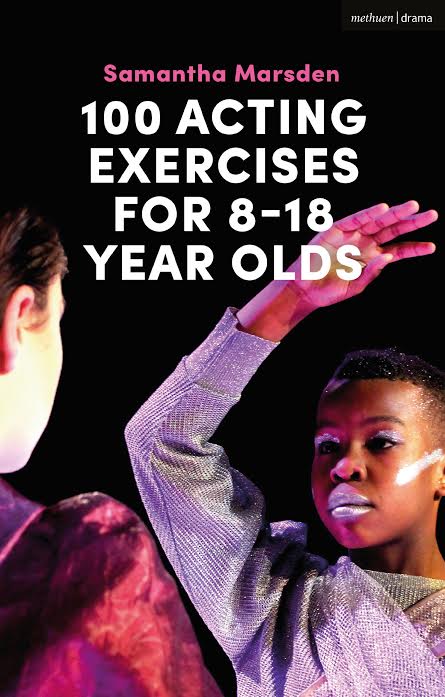 SEE ON AMAZON
Theories and techniques of some of the greatest theatre practitioners including Sanford Meisner, Constantin Stanislavski, Lee Strasberg, and Uta Hagen provide a basis for Samantha Marsden's original exercises. The exercises have been tried and tested in the author's own classroom. Focus points used in leading drama schools such as voice, movement, relaxation, character development, and understanding text are recreated for a younger student.
The book features a foreword by Paul Roseby, CEO and Artistic Director of the National Youth Theatre.
“Here is the book that every drama teacher should have on their shelf” – Sylvia Young, OBE
“An excellent resource. In it, acting coaches and their young students will find daily inspiration.” – Robert McKee, author, lecturer and story consultant
“Every young actor that wants a working instrument should do these great, fun and practical exercises” – Michelle Danner, Artistic Director of the Michelle Danner Acting Studio
About the Author
SEE ON AMAZON
Theories and techniques of some of the greatest theatre practitioners including Sanford Meisner, Constantin Stanislavski, Lee Strasberg, and Uta Hagen provide a basis for Samantha Marsden's original exercises. The exercises have been tried and tested in the author's own classroom. Focus points used in leading drama schools such as voice, movement, relaxation, character development, and understanding text are recreated for a younger student.
The book features a foreword by Paul Roseby, CEO and Artistic Director of the National Youth Theatre.
“Here is the book that every drama teacher should have on their shelf” – Sylvia Young, OBE
“An excellent resource. In it, acting coaches and their young students will find daily inspiration.” – Robert McKee, author, lecturer and story consultant
“Every young actor that wants a working instrument should do these great, fun and practical exercises” – Michelle Danner, Artistic Director of the Michelle Danner Acting Studio
About the Author
 Samantha Marsden studied method acting at The Method Studio in London. She went on to study Drama, Applied Theatre and Education at the Royal Central School of Speech and Drama. She worked as a freelance drama teacher for eleven years at theatre companies, youth theatres, private schools, state schools, special schools and weekend theatre schools. In 2012 she set up her own youth theatre, which quickly grew into one of the largest regional youth theatres in the country.
[post_title] => Five Acting Exercises for 8–18-Year-Olds
[post_excerpt] =>
[post_status] => publish
[comment_status] => open
[ping_status] => open
[post_password] =>
[post_name] => five-acting-exercises-for-8-18-year-olds
[to_ping] =>
[pinged] =>
[post_modified] => 2019-02-07 11:58:32
[post_modified_gmt] => 2019-02-07 16:58:32
[post_content_filtered] =>
[post_parent] => 0
[guid] => https://theatrenerds.com/?p=370783
[menu_order] => 0
[post_type] => post
[post_mime_type] =>
[comment_count] => 0
[filter] => raw
)
[16] => WP_Post Object
(
[ID] => 370678
[post_author] => 11
[post_date] => 2019-02-05 10:28:42
[post_date_gmt] => 2019-02-05 15:28:42
[post_content] => Finally, a quiz acknowledging the fact you named your hamster Patti LuPone.
[post_title] => Quiz: Tell Us About Your Pet And We'll Tell You What % Drama Queen You Are
[post_excerpt] =>
[post_status] => publish
[comment_status] => open
[ping_status] => closed
[post_password] =>
[post_name] => quiz-tell-us-about-your-pet-and-well-tell-you-what-drama-queen-you-are
[to_ping] =>
[pinged] =>
[post_modified] => 2019-02-05 10:29:39
[post_modified_gmt] => 2019-02-05 15:29:39
[post_content_filtered] =>
[post_parent] => 0
[guid] => https://theatrenerds.com/?post_type=snax_quiz&p=370678
[menu_order] => 0
[post_type] => snax_quiz
[post_mime_type] =>
[comment_count] => 5
[filter] => raw
)
[17] => WP_Post Object
(
[ID] => 370661
[post_author] => 2133
[post_date] => 2019-02-01 10:08:59
[post_date_gmt] => 2019-02-01 15:08:59
[post_content] => Brendon Urie is best known as the lead singer and only remaining original member of rock group Panic! at the Disco. In an industry where artists are chosen more for their looks and marketability than talent, and auto-tune is every talentless singer's best friend, Brendon is one of the rare true talents. Not only does he write the majority of the music, but he's also an insanely talented vocalist who continues to wow fans with his pipes. He possesses a tenor voice, which encompasses four octaves (D2 to C7.)
Urie made his debut on Broadway in "Kinky Boots," a musical by Cyndi Lauper. He played the lead role of Charlie Price from May 26, 2017, through August 6, 2017. His run with the show was met with stellar reviews and extensive press coverage.
I have not seen Kinky Boots, nor have I seen a bootleg version of Brendon's time in the show, but being a huge P!ATD fan, I can't help but think about what roles I'd love to see him play in some of my favorite Broadway shows. For these choices, I have taken into consideration his vocal skills, charisma, and sex appeal.
Samantha Marsden studied method acting at The Method Studio in London. She went on to study Drama, Applied Theatre and Education at the Royal Central School of Speech and Drama. She worked as a freelance drama teacher for eleven years at theatre companies, youth theatres, private schools, state schools, special schools and weekend theatre schools. In 2012 she set up her own youth theatre, which quickly grew into one of the largest regional youth theatres in the country.
[post_title] => Five Acting Exercises for 8–18-Year-Olds
[post_excerpt] =>
[post_status] => publish
[comment_status] => open
[ping_status] => open
[post_password] =>
[post_name] => five-acting-exercises-for-8-18-year-olds
[to_ping] =>
[pinged] =>
[post_modified] => 2019-02-07 11:58:32
[post_modified_gmt] => 2019-02-07 16:58:32
[post_content_filtered] =>
[post_parent] => 0
[guid] => https://theatrenerds.com/?p=370783
[menu_order] => 0
[post_type] => post
[post_mime_type] =>
[comment_count] => 0
[filter] => raw
)
[16] => WP_Post Object
(
[ID] => 370678
[post_author] => 11
[post_date] => 2019-02-05 10:28:42
[post_date_gmt] => 2019-02-05 15:28:42
[post_content] => Finally, a quiz acknowledging the fact you named your hamster Patti LuPone.
[post_title] => Quiz: Tell Us About Your Pet And We'll Tell You What % Drama Queen You Are
[post_excerpt] =>
[post_status] => publish
[comment_status] => open
[ping_status] => closed
[post_password] =>
[post_name] => quiz-tell-us-about-your-pet-and-well-tell-you-what-drama-queen-you-are
[to_ping] =>
[pinged] =>
[post_modified] => 2019-02-05 10:29:39
[post_modified_gmt] => 2019-02-05 15:29:39
[post_content_filtered] =>
[post_parent] => 0
[guid] => https://theatrenerds.com/?post_type=snax_quiz&p=370678
[menu_order] => 0
[post_type] => snax_quiz
[post_mime_type] =>
[comment_count] => 5
[filter] => raw
)
[17] => WP_Post Object
(
[ID] => 370661
[post_author] => 2133
[post_date] => 2019-02-01 10:08:59
[post_date_gmt] => 2019-02-01 15:08:59
[post_content] => Brendon Urie is best known as the lead singer and only remaining original member of rock group Panic! at the Disco. In an industry where artists are chosen more for their looks and marketability than talent, and auto-tune is every talentless singer's best friend, Brendon is one of the rare true talents. Not only does he write the majority of the music, but he's also an insanely talented vocalist who continues to wow fans with his pipes. He possesses a tenor voice, which encompasses four octaves (D2 to C7.)
Urie made his debut on Broadway in "Kinky Boots," a musical by Cyndi Lauper. He played the lead role of Charlie Price from May 26, 2017, through August 6, 2017. His run with the show was met with stellar reviews and extensive press coverage.
I have not seen Kinky Boots, nor have I seen a bootleg version of Brendon's time in the show, but being a huge P!ATD fan, I can't help but think about what roles I'd love to see him play in some of my favorite Broadway shows. For these choices, I have taken into consideration his vocal skills, charisma, and sex appeal.
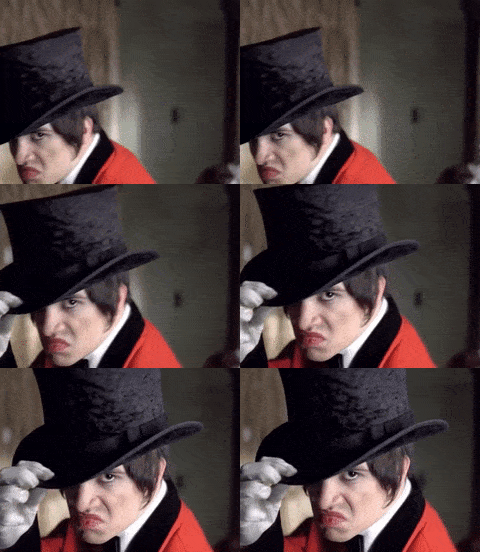 The film, starring Hugh Jackman was hugely popular at the time of its release toward the tail end of 2017. Though Hugh Jackman has said that he'd happily don the top hat again in a sequel, a Broadway adaption would be the next logical step rather than another movie. In order to successfully transition from stage to screen, the hypothetical show would need the right star. Hugh Jackman is a terrific actor and talented singer, and although he has performed on Broadway before in his one man show and in the OBC of "The Boy From Oz," I feel that a great successor would be Brendon Urie. He already covers the films title song "This is the Greatest Show" for the "The Greatest Showman: Reimagined soundtrack," and knocked it out of the park, and fans of P!ATD will know just how well he can pull off a top hat and red jacket. This one is written in the stars!
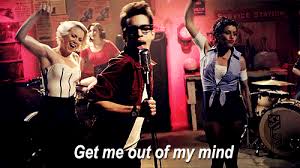 This musical uses the music of Buddy Holly to tell the story of the beloved musician's rise to fame and his tragic end. In the music video for "Ready to Go (Get Me Out of My Mind) one of the characters that Urie impersonates is a Buddy Holly-esque singer. He had the look and moves down pat.
 Spark a revolution with this one-minute monologue spoken by Victor Hugo’s Marius.
Monologue Length: 1:00 - 1:15
“We can't strike. Why not? Because it's against the law to strike! The king has declared that everything is a crime. Writing is a crime. Two weeks ago, the police destroyed the Galaty, the worker's newspaper. They smashed the press. They burned over two thousand newspapers but that didn't satisfy the king. Three days ago at a student meeting, a peaceful meeting, soldiers broke it up and arrested two of my friends. Writing, talking, going to class, speaking out is a crime. Being poor is a crime. Being poor is the worst crime of all. And if you commit these crimes, you are condemned for life. Our government has no mercy, no pity, no forgiveness. And there's no work for us. And because there's no work, our children are starving. Tell me: why are we powerless to save the people we love? All of you know. Tell me - why? The king betrayed us. We were promised the vote, do we have it? Do we have the vote? Where is the republic our fathers died for? It's here my brothers. It lives here in our heads. But most of all, best of all, it's here in our hearts. In our hearts - WE ARE THE REPUBLIC!”
Spark a revolution with this one-minute monologue spoken by Victor Hugo’s Marius.
Monologue Length: 1:00 - 1:15
“We can't strike. Why not? Because it's against the law to strike! The king has declared that everything is a crime. Writing is a crime. Two weeks ago, the police destroyed the Galaty, the worker's newspaper. They smashed the press. They burned over two thousand newspapers but that didn't satisfy the king. Three days ago at a student meeting, a peaceful meeting, soldiers broke it up and arrested two of my friends. Writing, talking, going to class, speaking out is a crime. Being poor is a crime. Being poor is the worst crime of all. And if you commit these crimes, you are condemned for life. Our government has no mercy, no pity, no forgiveness. And there's no work for us. And because there's no work, our children are starving. Tell me: why are we powerless to save the people we love? All of you know. Tell me - why? The king betrayed us. We were promised the vote, do we have it? Do we have the vote? Where is the republic our fathers died for? It's here my brothers. It lives here in our heads. But most of all, best of all, it's here in our hearts. In our hearts - WE ARE THE REPUBLIC!”
 From one of the most acclaimed plays to date comes Walter Lee Younger’s iconic monologue. Walter is an ambitious dreamer who wants a better life for his family, untouched by poverty.
Monologue Length: 1:25 - 1:40
“You wouldn’t understand yet, son, but your daddy’s gonna make a transaction...a business transaction that’s going to change our lives...That’s how come one day when you ‘bout seventeen years old I’ll come home and I’ll be pretty tired, you know what I mean, after a day of conferences and secretaries getting things wrong the way they do...’cause an executive’s life is hell, man--And I’ll pull the car up on the driveway...just a plain black Chrysler, I think, with white walls--no--black tires. More elegant. Rich people don’t have to be flashy...though I’ll have to get something a little sportier for Ruth--maybe a Cadillac convertible to do her shopping in...And I’ll come up the steps to the house and the gardener will be clipping away at the hedges and he’ll say, “Good evening, Mr. Younger.” And I’ll say, “Hello, Jefferson, how are you this evening?” And I’ll go inside and Ruth will come downstairs and meet me at the door and we’ll kiss each other and she’ll take my are and we’ll go up to your room to see you sitting on the floor with the catalogues of all the great schools in America around you...All the great schools in the world! And--and I’ll say, all right son--it’s your seventeenth birthday, what is it you’ve decided?...just tell me where you want to go to school and you’ll go. Just tell me, what it is you want to be==Yessir! You just name it, son...and I hand you the world!”
From one of the most acclaimed plays to date comes Walter Lee Younger’s iconic monologue. Walter is an ambitious dreamer who wants a better life for his family, untouched by poverty.
Monologue Length: 1:25 - 1:40
“You wouldn’t understand yet, son, but your daddy’s gonna make a transaction...a business transaction that’s going to change our lives...That’s how come one day when you ‘bout seventeen years old I’ll come home and I’ll be pretty tired, you know what I mean, after a day of conferences and secretaries getting things wrong the way they do...’cause an executive’s life is hell, man--And I’ll pull the car up on the driveway...just a plain black Chrysler, I think, with white walls--no--black tires. More elegant. Rich people don’t have to be flashy...though I’ll have to get something a little sportier for Ruth--maybe a Cadillac convertible to do her shopping in...And I’ll come up the steps to the house and the gardener will be clipping away at the hedges and he’ll say, “Good evening, Mr. Younger.” And I’ll say, “Hello, Jefferson, how are you this evening?” And I’ll go inside and Ruth will come downstairs and meet me at the door and we’ll kiss each other and she’ll take my are and we’ll go up to your room to see you sitting on the floor with the catalogues of all the great schools in America around you...All the great schools in the world! And--and I’ll say, all right son--it’s your seventeenth birthday, what is it you’ve decided?...just tell me where you want to go to school and you’ll go. Just tell me, what it is you want to be==Yessir! You just name it, son...and I hand you the world!”
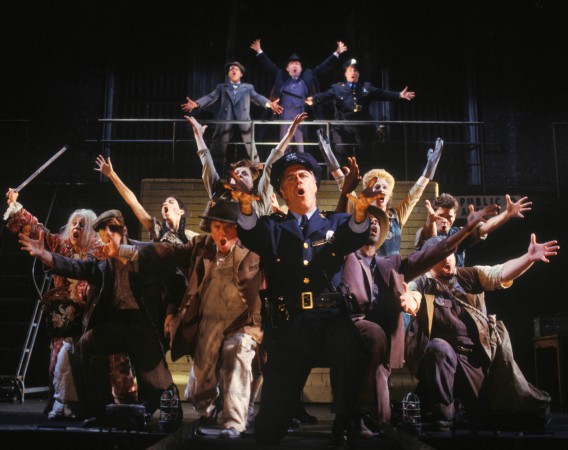 We think “urine” luck with Officer Lockstock’s animated ‘Urinetown’ monologue.
Monologue Length: 1:15 - 1:30
“Well, as you guessed, Hope took over her father's business, instituting a series of reforms which opened the public bathrooms to all the people, to pee for free whenever they liked, as much as they liked, for as long as they liked, with whomever they liked. The UGC was renamed, "The Bobby Strong Memorial Toilet Authority" and was operated as a public trust for the benefit of the people. Of course, it wasn't long before the water turned silty, brackish and then disappeared altogether. As cruel as Caldwell B. Cladwell was, his measures effectively regulated water consumption, sparing the town the same fate as the phantom Urinetown. Hope chose to ignore the warning signs, however, preferring to bask in the people's love for as long as it lasted. If there is a next time I'm sure we can. Well, that's our story. Hope eventually joined her father in a manner not quite so gentle. As for the people of this town? They did as best they could. But they were prepared for the world they inherited, weaned as they were on the legend born of their founding father's scare tactics. For when the water dried up, they recognized their town for the first time for what it really was. What it was always waiting to be."
We think “urine” luck with Officer Lockstock’s animated ‘Urinetown’ monologue.
Monologue Length: 1:15 - 1:30
“Well, as you guessed, Hope took over her father's business, instituting a series of reforms which opened the public bathrooms to all the people, to pee for free whenever they liked, as much as they liked, for as long as they liked, with whomever they liked. The UGC was renamed, "The Bobby Strong Memorial Toilet Authority" and was operated as a public trust for the benefit of the people. Of course, it wasn't long before the water turned silty, brackish and then disappeared altogether. As cruel as Caldwell B. Cladwell was, his measures effectively regulated water consumption, sparing the town the same fate as the phantom Urinetown. Hope chose to ignore the warning signs, however, preferring to bask in the people's love for as long as it lasted. If there is a next time I'm sure we can. Well, that's our story. Hope eventually joined her father in a manner not quite so gentle. As for the people of this town? They did as best they could. But they were prepared for the world they inherited, weaned as they were on the legend born of their founding father's scare tactics. For when the water dried up, they recognized their town for the first time for what it really was. What it was always waiting to be."
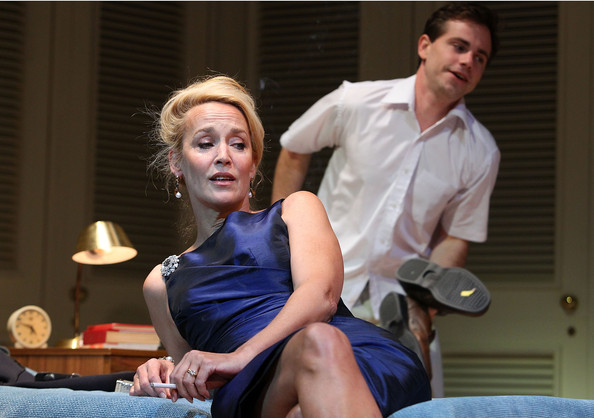 Full of angst and self-confliction, the popular story of Benjamin Braddock follows his affair with the older Mrs. Robinson and his romance with her daughter, Elaine.
Monologue Length: 0:45 - 1:00
“I’m just living in Berkeley. Having grown somewhat weary of family life, I’ve been meaning to stop by and pay my respects but have not been entirely certain how you felt about me after the incident with your mother which was certainly a serious mistake on my part but not serious enough I hope to permanently alter your feelings about me. I love you. I love you and I can’t help myself and I’m begging you to forgive me for what I did. I love you so much I’m terrified of seeing you every time I step outside the door. I feel helpless and hopeless and lost and miserable, please forget what I did please Elaine O God Elaine I love you please forget what I did? Please forget what I did Elaine, I love you.”
Full of angst and self-confliction, the popular story of Benjamin Braddock follows his affair with the older Mrs. Robinson and his romance with her daughter, Elaine.
Monologue Length: 0:45 - 1:00
“I’m just living in Berkeley. Having grown somewhat weary of family life, I’ve been meaning to stop by and pay my respects but have not been entirely certain how you felt about me after the incident with your mother which was certainly a serious mistake on my part but not serious enough I hope to permanently alter your feelings about me. I love you. I love you and I can’t help myself and I’m begging you to forgive me for what I did. I love you so much I’m terrified of seeing you every time I step outside the door. I feel helpless and hopeless and lost and miserable, please forget what I did please Elaine O God Elaine I love you please forget what I did? Please forget what I did Elaine, I love you.”
 Perhaps one of the most memorable speeches in theatre history, Shakespeare’s “All the world’s a stage” stands the test of time. Bring your own unique voice to the role of Jacques with this monologue.
Monologue Length: 1:15 - 1:30
“All the world's a stage,
And all the men and women merely players:
They have their exits and their entrances;
And one man in his time plays many parts,
His acts being seven ages. At first the infant,
Mewling and puking in the nurse's arms.
And then the whining school-boy, with his satchel,
And shining morning face, creeping like snail
Unwillingly to school. And then the lover,
Sighing like furnace, with a woful ballad
Made to his mistress' eyebrow. Then a soldier,
Full of strange oaths, and bearded like the pard,
Jealous in honour, sudden and quick in quarrel,
Seeking the bubble reputation
Even in the cannon's mouth. And then the justice,
In fair round belly with good capon lin'd,
With eyes severe, and beard of formal cut,
Full of wise saws and modern instances;
And so he plays his part. The sixth age shifts
Into the lean and slipper'd pantaloon,
With spectacles on nose and pouch on side,
His youthful hose well sav'd, a world too wide
For his shrunk shank; and his big manly voice,
Turning again toward childish treble, pipes
And whistles in his sound. Last scene of all,
That ends this strange eventful history,
Is second childishness and mere oblivion,
Sans teeth, sans eyes, sans taste, sans everything.”
Perhaps one of the most memorable speeches in theatre history, Shakespeare’s “All the world’s a stage” stands the test of time. Bring your own unique voice to the role of Jacques with this monologue.
Monologue Length: 1:15 - 1:30
“All the world's a stage,
And all the men and women merely players:
They have their exits and their entrances;
And one man in his time plays many parts,
His acts being seven ages. At first the infant,
Mewling and puking in the nurse's arms.
And then the whining school-boy, with his satchel,
And shining morning face, creeping like snail
Unwillingly to school. And then the lover,
Sighing like furnace, with a woful ballad
Made to his mistress' eyebrow. Then a soldier,
Full of strange oaths, and bearded like the pard,
Jealous in honour, sudden and quick in quarrel,
Seeking the bubble reputation
Even in the cannon's mouth. And then the justice,
In fair round belly with good capon lin'd,
With eyes severe, and beard of formal cut,
Full of wise saws and modern instances;
And so he plays his part. The sixth age shifts
Into the lean and slipper'd pantaloon,
With spectacles on nose and pouch on side,
His youthful hose well sav'd, a world too wide
For his shrunk shank; and his big manly voice,
Turning again toward childish treble, pipes
And whistles in his sound. Last scene of all,
That ends this strange eventful history,
Is second childishness and mere oblivion,
Sans teeth, sans eyes, sans taste, sans everything.”
 In the opening of this play by The Bard, Egeon wears his heart on his sleeve and tells the audience of his tragic past.
Monologue Length: Up to 2:50
“A heavier task could not have been imposed
Than I to speak my griefs unspeakable:
Yet, that the world may witness that my end
Was wrought by nature, not by vile offence,
I'll utter what my sorrows give me leave.
In Syracusa was I born, and wed
Unto a woman, happy but for me,
And by me, had not our hap been bad.
With her I lived in joy; our wealth increased
By prosperous voyages I often made
To Epidamnum; till my factor's death
And the great care of goods at random left
Drew me from kind embracements of my spouse:
From whom my absence was not six months old
Before herself, almost at fainting under
The pleasing punishment that women bear,
Had made provision for her following me
And soon and safe arrived where I was.”
[Full Monologue HERE]
In the opening of this play by The Bard, Egeon wears his heart on his sleeve and tells the audience of his tragic past.
Monologue Length: Up to 2:50
“A heavier task could not have been imposed
Than I to speak my griefs unspeakable:
Yet, that the world may witness that my end
Was wrought by nature, not by vile offence,
I'll utter what my sorrows give me leave.
In Syracusa was I born, and wed
Unto a woman, happy but for me,
And by me, had not our hap been bad.
With her I lived in joy; our wealth increased
By prosperous voyages I often made
To Epidamnum; till my factor's death
And the great care of goods at random left
Drew me from kind embracements of my spouse:
From whom my absence was not six months old
Before herself, almost at fainting under
The pleasing punishment that women bear,
Had made provision for her following me
And soon and safe arrived where I was.”
[Full Monologue HERE]
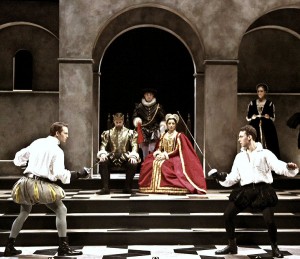 Hamlet’s infamous speech is sure to prove a worthwhile challenge for actors looking to take on a classic piece by Shakespeare.
Monologue Length: 1:30 - 1:45
“To be, or not to be--that is the question:
Whether 'tis nobler in the mind to suffer
The slings and arrows of outrageous fortune
Or to take arms against a sea of troubles
And by opposing end them. To die, to sleep--
No more--and by a sleep to say we end
The heartache, and the thousand natural shocks
That flesh is heir to. 'Tis a consummation
Devoutly to be wished. To die, to sleep--
To sleep--perchance to dream: ay, there's the rub,
For in that sleep of death what dreams may come
When we have shuffled off this mortal coil,
Must give us pause. There's the respect
That makes calamity of so long life.
For who would bear the whips and scorns of time,
Th' oppressor's wrong, the proud man's contumely
The pangs of despised love, the law's delay,
The insolence of office, and the spurns
That patient merit of th' unworthy takes,
When he himself might his quietus make
With a bare bodkin? Who would fardels bear,
To grunt and sweat under a weary life,
But that the dread of something after death,
The undiscovered country, from whose bourn
No traveller returns, puzzles the will,
And makes us rather bear those ills we have
Than fly to others that we know not of?
Thus conscience does make cowards of us all,
And thus the native hue of resolution
Is sicklied o'er with the pale cast of thought,
And enterprise of great pitch and moment
With this regard their currents turn awry
And lose the name of action. -- Soft you now,
The fair Ophelia! -- Nymph, in thy orisons
Be all my sins remembered.”
Hamlet’s infamous speech is sure to prove a worthwhile challenge for actors looking to take on a classic piece by Shakespeare.
Monologue Length: 1:30 - 1:45
“To be, or not to be--that is the question:
Whether 'tis nobler in the mind to suffer
The slings and arrows of outrageous fortune
Or to take arms against a sea of troubles
And by opposing end them. To die, to sleep--
No more--and by a sleep to say we end
The heartache, and the thousand natural shocks
That flesh is heir to. 'Tis a consummation
Devoutly to be wished. To die, to sleep--
To sleep--perchance to dream: ay, there's the rub,
For in that sleep of death what dreams may come
When we have shuffled off this mortal coil,
Must give us pause. There's the respect
That makes calamity of so long life.
For who would bear the whips and scorns of time,
Th' oppressor's wrong, the proud man's contumely
The pangs of despised love, the law's delay,
The insolence of office, and the spurns
That patient merit of th' unworthy takes,
When he himself might his quietus make
With a bare bodkin? Who would fardels bear,
To grunt and sweat under a weary life,
But that the dread of something after death,
The undiscovered country, from whose bourn
No traveller returns, puzzles the will,
And makes us rather bear those ills we have
Than fly to others that we know not of?
Thus conscience does make cowards of us all,
And thus the native hue of resolution
Is sicklied o'er with the pale cast of thought,
And enterprise of great pitch and moment
With this regard their currents turn awry
And lose the name of action. -- Soft you now,
The fair Ophelia! -- Nymph, in thy orisons
Be all my sins remembered.”
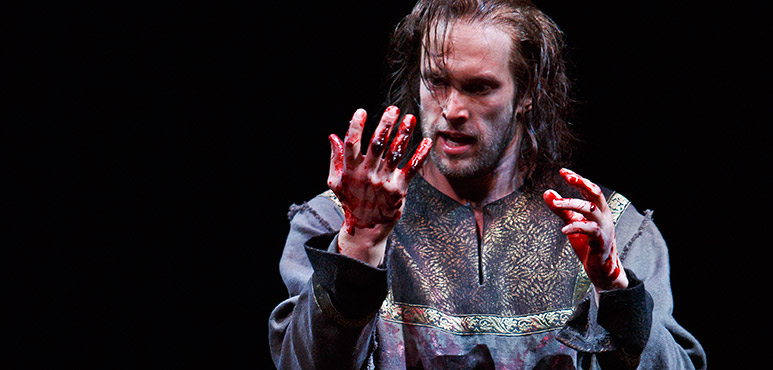 Enter The Scottish Play - a story filled with intensity and anguish. Step into the shoes of this acclaimed role and slay your next dramatic monologue.
Monologue Length: 1:30 - 1:45
"Is this a dagger which I see before me,
The handle toward my hand? Come, let me clutch thee.
I have thee not, and yet I see thee still.
Art thou not, fatal vision, sensible
To feeling as to sight? or art thou but
A dagger of the mind, a false creation,
Proceeding from the heat-oppressed brain?
I see thee yet, in form as palpable
As this which now I draw.
Thou marshall'st me the way that I was going;
And such an instrument I was to use.
Mine eyes are made the fools o' the other senses,
Or else worth all the rest; I see thee still,
And on thy blade and dudgeon gouts of blood,
Which was not so before. There's no such thing:
It is the bloody business which informs
Thus to mine eyes. Now o'er the one halfworld
Nature seems dead, and wicked dreams abuse
The curtain'd sleep; witchcraft celebrates
Pale Hecate's offerings, and wither'd murder,
Alarum'd by his sentinel, the wolf,
Whose howl's his watch, thus with his stealthy pace.
With Tarquin's ravishing strides, towards his design
Moves like a ghost. Thou sure and firm-set earth,
Hear not my steps, which way they walk, for fear
Thy very stones prate of my whereabout,
And take the present horror from the time,
Which now suits with it. Whiles I threat, he lives:
Words to the heat of deeds too cold breath gives.
[A bell rings]
I go, and it is done; the bell invites me.
Hear it not, Duncan; for it is a knell
That summons thee to heaven or to hell."
Enter The Scottish Play - a story filled with intensity and anguish. Step into the shoes of this acclaimed role and slay your next dramatic monologue.
Monologue Length: 1:30 - 1:45
"Is this a dagger which I see before me,
The handle toward my hand? Come, let me clutch thee.
I have thee not, and yet I see thee still.
Art thou not, fatal vision, sensible
To feeling as to sight? or art thou but
A dagger of the mind, a false creation,
Proceeding from the heat-oppressed brain?
I see thee yet, in form as palpable
As this which now I draw.
Thou marshall'st me the way that I was going;
And such an instrument I was to use.
Mine eyes are made the fools o' the other senses,
Or else worth all the rest; I see thee still,
And on thy blade and dudgeon gouts of blood,
Which was not so before. There's no such thing:
It is the bloody business which informs
Thus to mine eyes. Now o'er the one halfworld
Nature seems dead, and wicked dreams abuse
The curtain'd sleep; witchcraft celebrates
Pale Hecate's offerings, and wither'd murder,
Alarum'd by his sentinel, the wolf,
Whose howl's his watch, thus with his stealthy pace.
With Tarquin's ravishing strides, towards his design
Moves like a ghost. Thou sure and firm-set earth,
Hear not my steps, which way they walk, for fear
Thy very stones prate of my whereabout,
And take the present horror from the time,
Which now suits with it. Whiles I threat, he lives:
Words to the heat of deeds too cold breath gives.
[A bell rings]
I go, and it is done; the bell invites me.
Hear it not, Duncan; for it is a knell
That summons thee to heaven or to hell."
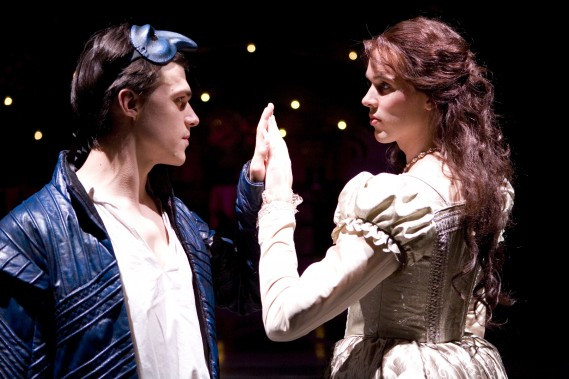 If it’s a declaration of love that strikes your fancy, choose this monologue from the one of the most romantic (and tragic) love stories of all time.
Monologue Length: 1:00 - 1:10
"But soft! What light through yonder window breaks?
It is the East, and Juliet is the sun!
Arise, fair sun, and kill the envious moon,
Who is already sick and pale with grief
That thou her maid art far more fair than she.
Be not her maid, since she is envious.
Her vestal livery is but sick and green,
And none but fools do wear it. Cast it off.
It is my lady; O, it is my love!
O that she knew she were!
She speaks, yet she says nothing. What of that?
Her eye discourses; I will answer it.
I am too bold; 'tis not to me she speaks.
Two of the fairest stars in all the heaven,
Having some business, do entreat her eyes
To twinkle in their spheres till they return.
What if her eyes were there, they in her head?
The brightness of her cheek would shame those stars
As daylight doth a lamp; her eyes in heaven
Would through the airy region stream so bright
That birds would sing and think it were not night.
See how she leans her cheek upon her hand!
O that I were a glove upon that hand,
That I might touch that cheek!"
If it’s a declaration of love that strikes your fancy, choose this monologue from the one of the most romantic (and tragic) love stories of all time.
Monologue Length: 1:00 - 1:10
"But soft! What light through yonder window breaks?
It is the East, and Juliet is the sun!
Arise, fair sun, and kill the envious moon,
Who is already sick and pale with grief
That thou her maid art far more fair than she.
Be not her maid, since she is envious.
Her vestal livery is but sick and green,
And none but fools do wear it. Cast it off.
It is my lady; O, it is my love!
O that she knew she were!
She speaks, yet she says nothing. What of that?
Her eye discourses; I will answer it.
I am too bold; 'tis not to me she speaks.
Two of the fairest stars in all the heaven,
Having some business, do entreat her eyes
To twinkle in their spheres till they return.
What if her eyes were there, they in her head?
The brightness of her cheek would shame those stars
As daylight doth a lamp; her eyes in heaven
Would through the airy region stream so bright
That birds would sing and think it were not night.
See how she leans her cheek upon her hand!
O that I were a glove upon that hand,
That I might touch that cheek!"
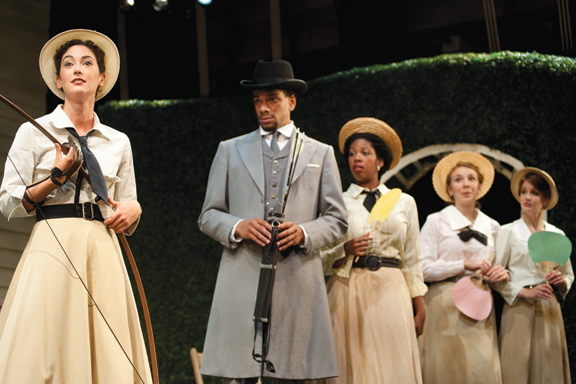 This eloquent speech brings to life the role of Boyet, assistant to the princess in ‘Love’s Labour’s Lost’.
Monologue Length: 1:20 - 1:35
"Under the cool shade of a sycamore
I thought to close mine eyes some half an hour;
When, lo! to interrupt my purposed rest,
Toward that shade I might behold addrest
The king and his companions: warily
I stole into a neighbour thicket by,
And overheard what you shall overhear,
That, by and by, disguised they will be here.
Their herald is a pretty knavish page,
That well by heart hath conn'd his embassage:
Action and accent did they teach him there;
‘Thus must thou speak,' and 'thus thy body bear:'
And ever and anon they made a doubt
Presence majestical would put him out,
'For,' quoth the king, 'an angel shalt thou see;
Yet fear not thou, but speak audaciously.'
The boy replied, 'An angel is not evil;
I should have fear'd her had she been a devil.'
With that, all laugh'd and clapp'd him on the shoulder,
Making the bold wag by their praises bolder:
One rubb'd his elbow thus, and fleer'd and swore
A better speech was never spoke before;
Another, with his finger and his thumb,
Cried, 'Via! we will do't, come what will come;'
The third he caper'd, and cried, 'All goes well;'
The fourth turn'd on the toe, and down he fell.
With that, they all did tumble on the ground,
With such a zealous laughter, so profound,
That in this spleen ridiculous appears,
To cheque their folly, passion's solemn tears."
This eloquent speech brings to life the role of Boyet, assistant to the princess in ‘Love’s Labour’s Lost’.
Monologue Length: 1:20 - 1:35
"Under the cool shade of a sycamore
I thought to close mine eyes some half an hour;
When, lo! to interrupt my purposed rest,
Toward that shade I might behold addrest
The king and his companions: warily
I stole into a neighbour thicket by,
And overheard what you shall overhear,
That, by and by, disguised they will be here.
Their herald is a pretty knavish page,
That well by heart hath conn'd his embassage:
Action and accent did they teach him there;
‘Thus must thou speak,' and 'thus thy body bear:'
And ever and anon they made a doubt
Presence majestical would put him out,
'For,' quoth the king, 'an angel shalt thou see;
Yet fear not thou, but speak audaciously.'
The boy replied, 'An angel is not evil;
I should have fear'd her had she been a devil.'
With that, all laugh'd and clapp'd him on the shoulder,
Making the bold wag by their praises bolder:
One rubb'd his elbow thus, and fleer'd and swore
A better speech was never spoke before;
Another, with his finger and his thumb,
Cried, 'Via! we will do't, come what will come;'
The third he caper'd, and cried, 'All goes well;'
The fourth turn'd on the toe, and down he fell.
With that, they all did tumble on the ground,
With such a zealous laughter, so profound,
That in this spleen ridiculous appears,
To cheque their folly, passion's solemn tears."
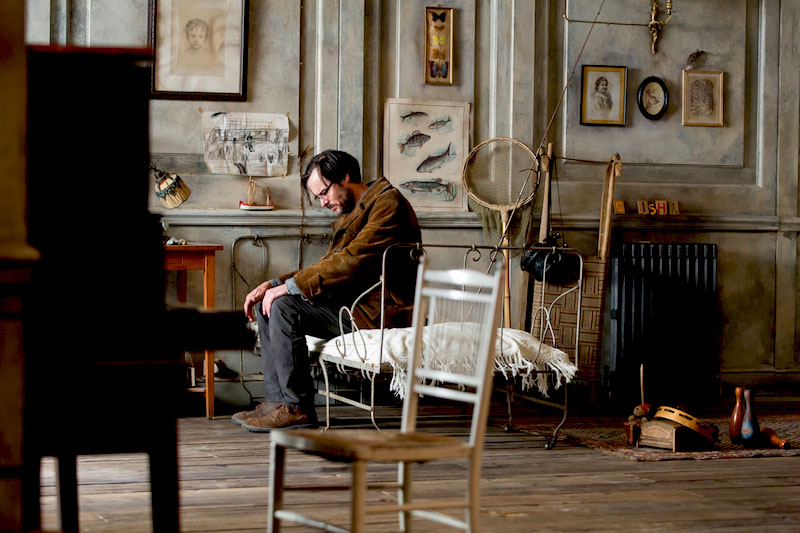 Peter, an intellectual with an often pretentious nature, sheds light on his views with “Mankind marches on…”
Monologue Length: 1:30 - 1:45
“Mankind marches on, going from strength to strength. All that now eludes us will one day be well within our grasp, but, as I say, we must work and we must do all we can for those who are trying to find the truth. Here in Russia very few people do work at present. The kind of Russian intellectuals I know, far and away the greater part of them anyway, aren’t looking for anything. They don’t do anything. They still don’t know the meaning of hard work. They call themselves an intelligensia, but they speak to their servants as inferiors and treat the peasants like animals. They don’t study properly, they never read anything serious, in fact they don’t do anything at all. Science is something they just talk about and they know precious little about art. Oh, they’re all very earnest. They all go round looking extremely solemn. They talk of nothing but weighty issues and they discuss abstract problems, while all the time everyone knows the workers are abominably fed and sleep without proper bedding, thirty or forty to a room--with bed-bugs everywhere, to say nothing of the stench, the damp, the moral degradation. And clearly all our fine talk is just meant to pull wool over our own eyes and other people’s too. Tell me, where are those children’s creches that there’s all this talk about? Where are the libraries? They’re just things people write novels about, we haven’t actually got any of them. What we have got it dirt, vulgarity and squalor. I loathe all those earnest faces. They scare me, and so do earnest conversations. Why can’t we keep quiet for a change?”
Peter, an intellectual with an often pretentious nature, sheds light on his views with “Mankind marches on…”
Monologue Length: 1:30 - 1:45
“Mankind marches on, going from strength to strength. All that now eludes us will one day be well within our grasp, but, as I say, we must work and we must do all we can for those who are trying to find the truth. Here in Russia very few people do work at present. The kind of Russian intellectuals I know, far and away the greater part of them anyway, aren’t looking for anything. They don’t do anything. They still don’t know the meaning of hard work. They call themselves an intelligensia, but they speak to their servants as inferiors and treat the peasants like animals. They don’t study properly, they never read anything serious, in fact they don’t do anything at all. Science is something they just talk about and they know precious little about art. Oh, they’re all very earnest. They all go round looking extremely solemn. They talk of nothing but weighty issues and they discuss abstract problems, while all the time everyone knows the workers are abominably fed and sleep without proper bedding, thirty or forty to a room--with bed-bugs everywhere, to say nothing of the stench, the damp, the moral degradation. And clearly all our fine talk is just meant to pull wool over our own eyes and other people’s too. Tell me, where are those children’s creches that there’s all this talk about? Where are the libraries? They’re just things people write novels about, we haven’t actually got any of them. What we have got it dirt, vulgarity and squalor. I loathe all those earnest faces. They scare me, and so do earnest conversations. Why can’t we keep quiet for a change?”
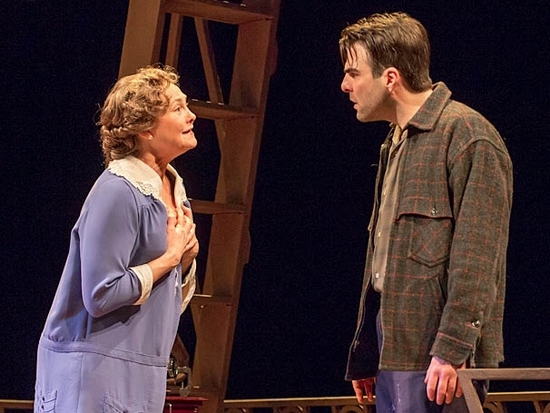 ‘The Glass Menagerie’ opens with this monologue by Tom Wingfield, the narrator of the story.
Monologue Length: Up to 2:00
“Yes, I have tricks in my pocket, I have things up my sleeve. But I am the opposite of a stage magician. He gives you illusion that has the appearance of truth. I give you truth in the pleasant disguise of illusion. To begin with, I turn bark time. I reverse it to that quaint period, the thirties, when the huge middle class of America was matriculating in a school for the blind. Their eyes had failed them or they had failed their eyes, and so they were having their fingers pressed forcibly down on the fiery Braille alphabet of a dissolving economy. In Spain there was revolution. Here there was only shouting and confusion. In Spain there was Guernica. Here there were disturbances of labour, sometimes pretty violent, in otherwise peaceful cities such as Chicago, Cleveland, Saint Louis. . . . This is the social background of the play. The play is memory. Being a memory play, it is dimly lighted, it is sentimental, it is not realistic. In memory everything seems to happen to music. That explains the fiddle in the wings. I am the narrator of the play, and also a character in it. The other characters are my mother Amanda, my sister Laura and a gentleman caller who appears in the final scenes. He is the most realistic character in the play, being an emissary from a world of reality that we were somehow set apart from. But since I have a poet's weakness for symbols, I am using this character also as a symbol; he is the long-delayed but always expected something that we live for. There is a fifth character in the play who doesn't appear except in this larger-than-life-size photograph over the mantel. This is our father who left us a long time ago.He was a telephone man who fell in love with long distances; he gave up his job with the telephone company and skipped the light fantastic out of town. . . .The last we heard of him was a picture postcard from Mazatlan, on the Pacific coast of Mexico, containing a message of two words - 'Hello - Good-bye!' and no address. I think the rest of the play will explain itself …”
‘The Glass Menagerie’ opens with this monologue by Tom Wingfield, the narrator of the story.
Monologue Length: Up to 2:00
“Yes, I have tricks in my pocket, I have things up my sleeve. But I am the opposite of a stage magician. He gives you illusion that has the appearance of truth. I give you truth in the pleasant disguise of illusion. To begin with, I turn bark time. I reverse it to that quaint period, the thirties, when the huge middle class of America was matriculating in a school for the blind. Their eyes had failed them or they had failed their eyes, and so they were having their fingers pressed forcibly down on the fiery Braille alphabet of a dissolving economy. In Spain there was revolution. Here there was only shouting and confusion. In Spain there was Guernica. Here there were disturbances of labour, sometimes pretty violent, in otherwise peaceful cities such as Chicago, Cleveland, Saint Louis. . . . This is the social background of the play. The play is memory. Being a memory play, it is dimly lighted, it is sentimental, it is not realistic. In memory everything seems to happen to music. That explains the fiddle in the wings. I am the narrator of the play, and also a character in it. The other characters are my mother Amanda, my sister Laura and a gentleman caller who appears in the final scenes. He is the most realistic character in the play, being an emissary from a world of reality that we were somehow set apart from. But since I have a poet's weakness for symbols, I am using this character also as a symbol; he is the long-delayed but always expected something that we live for. There is a fifth character in the play who doesn't appear except in this larger-than-life-size photograph over the mantel. This is our father who left us a long time ago.He was a telephone man who fell in love with long distances; he gave up his job with the telephone company and skipped the light fantastic out of town. . . .The last we heard of him was a picture postcard from Mazatlan, on the Pacific coast of Mexico, containing a message of two words - 'Hello - Good-bye!' and no address. I think the rest of the play will explain itself …”
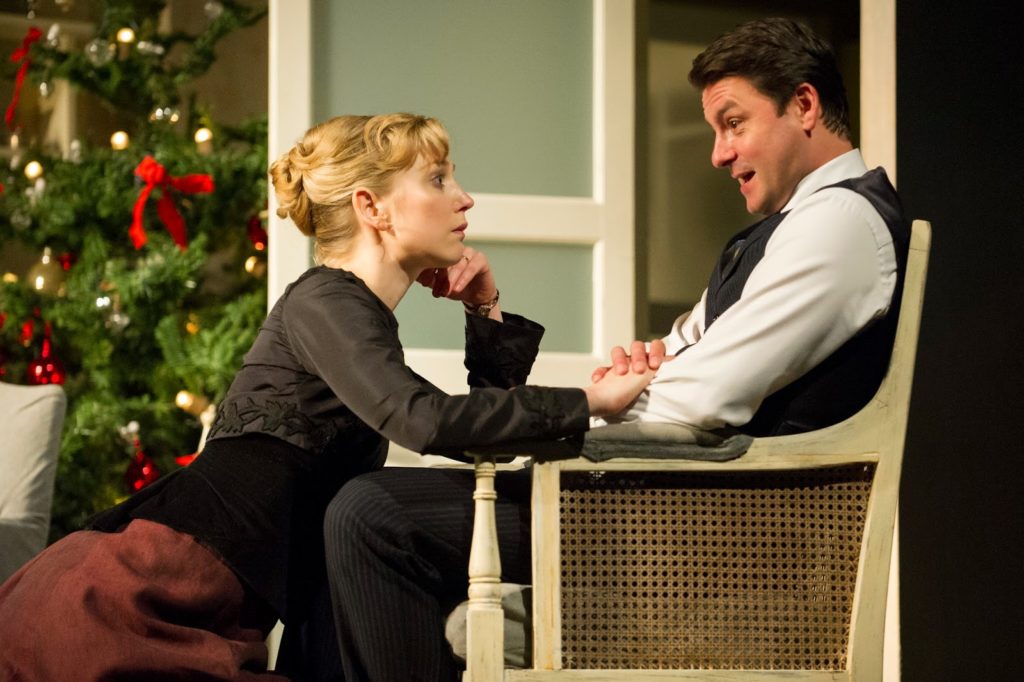 Torvald comforts his wife, Nora, in this snippet from Henrik Ibsen’s play, ‘A Doll’s House.’
Monologue Length: 1:20 - 1:45
“Try and calm yourself, and make your mind easy again, my frightened little singing-bird. Be at rest, and feel secure; I have broad wings to shelter you under. [Walks up and down by the door.] How warm and cosy our home is, Nora. Here is shelter for you; here I will protect you like a hunted dove that I have saved from a hawk's claws; I will bring peace to your poor beating heart. It will come, little by little, Nora, believe me. Tomorrow morning you will look upon it all quite differently; soon everything will be just as it was before. Very soon you won't need me to assure you that I have forgiven you; you will yourself feel the certainty that I have done so. Can you suppose I should ever think of such a thing as repudiating you, or even reproaching you? You have no idea what a true man's heart is like, Nora. There is something so indescribably sweet and satisfying, to a man, in the knowledge that he has forgiven his wife--forgiven her freely, and with all his heart. It seems as if that had made her, as it were, doubly his own; he has given her a new life, so to speak; and she has in a way become both wife and child to him. So you shall be for me after this, my little scared, helpless darling. Have no anxiety about anything, Nora; only be frank and open with me, and I will serve as will and conscience both to you--. What is this? Not gone to bed? Have you changed your things?”
Torvald comforts his wife, Nora, in this snippet from Henrik Ibsen’s play, ‘A Doll’s House.’
Monologue Length: 1:20 - 1:45
“Try and calm yourself, and make your mind easy again, my frightened little singing-bird. Be at rest, and feel secure; I have broad wings to shelter you under. [Walks up and down by the door.] How warm and cosy our home is, Nora. Here is shelter for you; here I will protect you like a hunted dove that I have saved from a hawk's claws; I will bring peace to your poor beating heart. It will come, little by little, Nora, believe me. Tomorrow morning you will look upon it all quite differently; soon everything will be just as it was before. Very soon you won't need me to assure you that I have forgiven you; you will yourself feel the certainty that I have done so. Can you suppose I should ever think of such a thing as repudiating you, or even reproaching you? You have no idea what a true man's heart is like, Nora. There is something so indescribably sweet and satisfying, to a man, in the knowledge that he has forgiven his wife--forgiven her freely, and with all his heart. It seems as if that had made her, as it were, doubly his own; he has given her a new life, so to speak; and she has in a way become both wife and child to him. So you shall be for me after this, my little scared, helpless darling. Have no anxiety about anything, Nora; only be frank and open with me, and I will serve as will and conscience both to you--. What is this? Not gone to bed? Have you changed your things?”
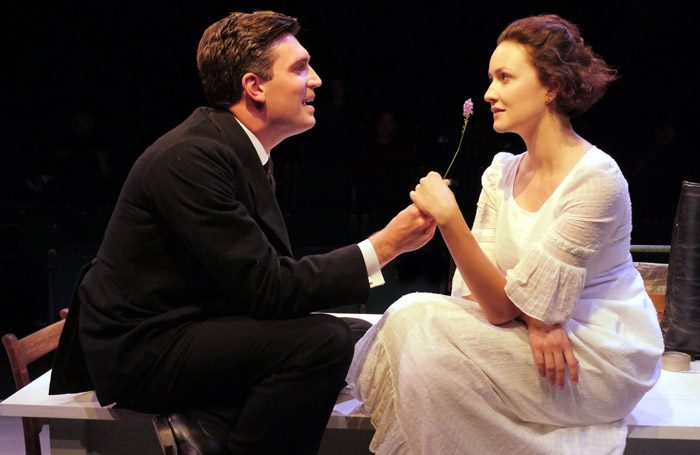 Jean’s complex character first appears one way to Miss Julie, the play’s protagonist, before showing his true colors.
Monologue Length: 1:15 - 1:25
“Oh, Miss Julie, a dog may lie on the couch of a Countess, a horse may be caressed by a lady's hand, but a servant—yes, yes, sometimes there is stuff enough in a man, whatever he be, to swing himself up in the world, but how often does that happen! But to return to the story, do you know what I did? I ran down to the mill dam and threw myself in with my clothes on—and was pulled out and got a thrashing. But the following Sunday when all the family went to visit my grandmother I contrived to stay at home; I scrubbed myself well, put on my best clothes, such as they were, and went to church so that I might see you. I saw you. Then I went home with my mind made up to put an end to myself. But I wanted to do it beautifully and without pain. Then I happened to remember that elderberry blossoms are poisonous. I knew where there was a big elderberry bush in full bloom and I stripped it of its riches and made a bed of it in the oat-bin. Have you ever noticed how smooth and glossy oats are? As soft as a woman's arm.—Well, I got in and let down the cover, fell asleep, and when I awoke I was very ill, but didn't die—as you see. What I wanted—I don't know. You were unattainable, but through the vision of you I was made to realize how hopeless it was to rise above the conditions of my birth.”
Jean’s complex character first appears one way to Miss Julie, the play’s protagonist, before showing his true colors.
Monologue Length: 1:15 - 1:25
“Oh, Miss Julie, a dog may lie on the couch of a Countess, a horse may be caressed by a lady's hand, but a servant—yes, yes, sometimes there is stuff enough in a man, whatever he be, to swing himself up in the world, but how often does that happen! But to return to the story, do you know what I did? I ran down to the mill dam and threw myself in with my clothes on—and was pulled out and got a thrashing. But the following Sunday when all the family went to visit my grandmother I contrived to stay at home; I scrubbed myself well, put on my best clothes, such as they were, and went to church so that I might see you. I saw you. Then I went home with my mind made up to put an end to myself. But I wanted to do it beautifully and without pain. Then I happened to remember that elderberry blossoms are poisonous. I knew where there was a big elderberry bush in full bloom and I stripped it of its riches and made a bed of it in the oat-bin. Have you ever noticed how smooth and glossy oats are? As soft as a woman's arm.—Well, I got in and let down the cover, fell asleep, and when I awoke I was very ill, but didn't die—as you see. What I wanted—I don't know. You were unattainable, but through the vision of you I was made to realize how hopeless it was to rise above the conditions of my birth.”
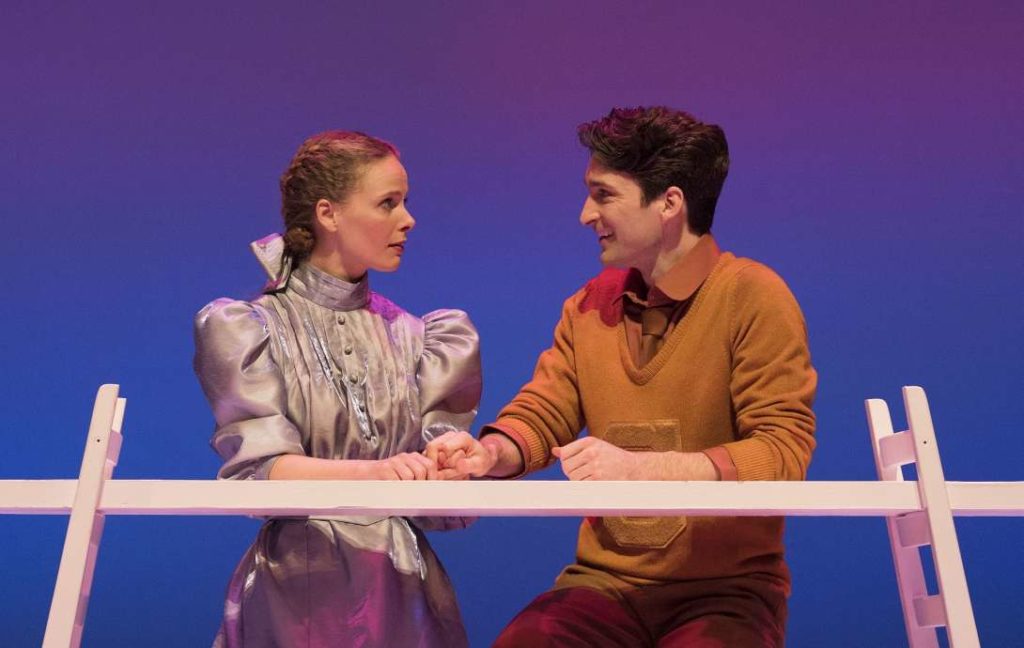
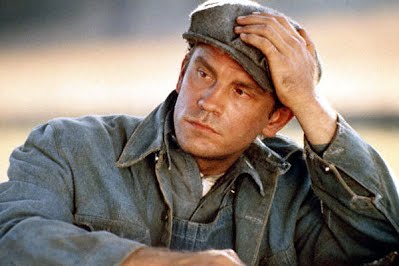 Known for his kind heart and loyalty, Lennie struggles with accepting that he has accidentally killed a puppy given to him by his friend, George.
Monologue Length: 1:00 - 1:15
“Why do you got to get killed? You ain't so little as mice. I didn't bounce you so hard. (bends pup's head up and looks in its face) Now may be George ain't gonna let me tend no rabbits if he finds out you got killed. (Scoops a little hollow and lays puppy in it out of sight and covers it over with hay. He stares at the mound he has made.) I'll tell George I found it dead. (unburies pup and inspects it. Twists its ears and works his fingers in its fur, sorrowfully) But he'll know. George always knows. He'll say: "You done it. Don't try to put nothin' over on me." And he'll say: "Now just for that you don't get to tend no ‐‐‐ you know whats." (his anger rises. Addresses pup) Damn you. Why do you got to get killed? You ain't so little as mice. (picks up pup and hurls it from him, turns his back on it. Sits bent over his knees, moaning to himself.) Now he won't let me...Now he won't let me. You wasn't big enough. They tole me and tole me you wasn't. I didn't know you'd get killed so easy. Maybe George won't care. This here pup wasn't nothin' to George.”
Known for his kind heart and loyalty, Lennie struggles with accepting that he has accidentally killed a puppy given to him by his friend, George.
Monologue Length: 1:00 - 1:15
“Why do you got to get killed? You ain't so little as mice. I didn't bounce you so hard. (bends pup's head up and looks in its face) Now may be George ain't gonna let me tend no rabbits if he finds out you got killed. (Scoops a little hollow and lays puppy in it out of sight and covers it over with hay. He stares at the mound he has made.) I'll tell George I found it dead. (unburies pup and inspects it. Twists its ears and works his fingers in its fur, sorrowfully) But he'll know. George always knows. He'll say: "You done it. Don't try to put nothin' over on me." And he'll say: "Now just for that you don't get to tend no ‐‐‐ you know whats." (his anger rises. Addresses pup) Damn you. Why do you got to get killed? You ain't so little as mice. (picks up pup and hurls it from him, turns his back on it. Sits bent over his knees, moaning to himself.) Now he won't let me...Now he won't let me. You wasn't big enough. They tole me and tole me you wasn't. I didn't know you'd get killed so easy. Maybe George won't care. This here pup wasn't nothin' to George.”
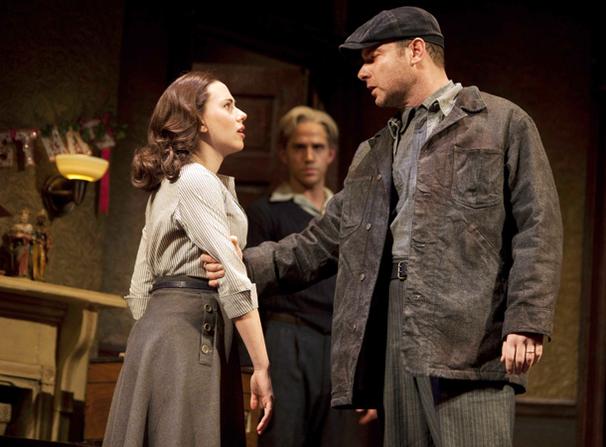 Though well intentioned, Eddie Carbone struggles to stay afloat in the real world as he lets himself slowly fall into a delusional state of mind in 'A View From The Bridge.'
Monologue Length: 0:45 - 1:00
“What can I do? I'm a patsy, what can a patsy do? I worked like a dog twenty years so a punk could have her, so that's what I done. I mean, in the worst times, in the worst, when there wasn't a ship comin' in the harbor, I didn't stand around lookin' for relief—I hustled. When there was empty piers in Brooklyn, I went to Hoboken, Staten Island, the West Side, Jersey all over—because I made a promise. I took out of my own mouth to give to her. I took out of my wife's mouth. I walked hungry plenty days in this city! (It begins to break through.) And now I gotta sit in my own house and look at a son-of-a-bitch punk like that—which he came out of nowhere! I give him my house to sleep! I take the blankets off my bed for him, and he takes and puts his dirty filthy hands on her like a goddam thief!”
Though well intentioned, Eddie Carbone struggles to stay afloat in the real world as he lets himself slowly fall into a delusional state of mind in 'A View From The Bridge.'
Monologue Length: 0:45 - 1:00
“What can I do? I'm a patsy, what can a patsy do? I worked like a dog twenty years so a punk could have her, so that's what I done. I mean, in the worst times, in the worst, when there wasn't a ship comin' in the harbor, I didn't stand around lookin' for relief—I hustled. When there was empty piers in Brooklyn, I went to Hoboken, Staten Island, the West Side, Jersey all over—because I made a promise. I took out of my own mouth to give to her. I took out of my wife's mouth. I walked hungry plenty days in this city! (It begins to break through.) And now I gotta sit in my own house and look at a son-of-a-bitch punk like that—which he came out of nowhere! I give him my house to sleep! I take the blankets off my bed for him, and he takes and puts his dirty filthy hands on her like a goddam thief!”
 On Sunday, January 27th, 2019, the much anticipated "Rent Live" aired on Fox. "Rent" is the latest in a long line of televised "live" musicals appearing on network television starring new casts. Others in this vein include: "The Sound of Music," "Grease," "Hairspray," and "Jesus Christ Superstar.""Rent" is an updated version of the famous opera "La Bohème," by Puccini, and tells the story of a group of artists living in New York's Alphabet City during the height of the AIDS pandemic. It was released in 1996, at a time when the show's inclusion of gay, bi, and cross dressing characters were not shown in the mainstream, as well as the AIDS crisis and the issue of drug addiction. The show's writer, Jonathan Larson, tragically died on the night of the final dress rehearsal, but his show has graced Broadway stage for 12 years in its original run, as well as several national and international tours, productions in Mexico, London, and France, and a short revival off-Broadway in 2011. A feature film was released in 2005, starring all of the original cast members: Anthony Rapp, Adam Pascal, Jessie L. Martin, Wilson Jermaine Heredia, Idina Menzel, and Taye Diggs, as well as welcoming new stars Rosario Dawson and Tracie Thoms.While the televised version of "Rent" received the lowest viewership of all the live musical renditions, that is not to suggest that it was not good. I've been a fan of the show since the movie came out; I've seen it live three times, I know the soundtrack by heart, and I have to admit that while I was excited at the prospect of a new filmed version of my beloved show, I was hesitant about the cast and how it would survive on Fox networks. I was surprised when I saw the track listing for the soundtrack and saw that racy songs like "Contact" were included.
  I was not able to watch it on the night it aired, due to work, but I have a friend who sent me clips of Tinashe's rendition of "Out Tonight" Mimi--the S & M dancer burdened with HIV and a heroin addiction, is my favorite character in the show, and "Out Tonight" is my absolute favorite song. I watched the Snapchat videos, anxiously. I am very protective and particular about the character and song, and I had my reservations about Tinashe. She is incredibly talented, don't get me wrong, but I wasn't sure that she had the pipes to pull off the iconic song. I was pleasantly surprised when I saw her performance in its sexy and raw glory. After that one clip, I was sold.I didn't get to watch the full show until today, but I had already heard that fans felt slighted that the televised version wasn't "live." Not true. Actor Brennin Hunt (Roger) injured his foot and was told that he would be unavailable to perform on show night; the entire cast and crew were faced with a dilemma. There were no understudies and they didn't want to cancel the show until his foot was healed, so, in true "Rent" fashion, the show went on, much as it did on that final dress rehearsal, the night that Jonathan Larson died. The version that was aired on TV was the pro-shot dress rehearsal, with the exception of the last 10 minutes or so. The cast did perform on show night, but in a stripped down, concert style, as opposed to the full-blown show, as planned.
  This version of "Rent" differed slightly from previous incarnations.The most notable change is that Mark this production is not white, as he has always been. Actor Jordan Fisher brought a new likeability to the character that no other actor has done, at least, not for me. "Rent" has always been an inclusive show, with 5 of the 8 original cast members being non-white. The costumes were changed slightly: Mimi's signature blue pants were reworked into a short blue skirt, Angel's Santa Claus dress was lengthened and included a train, Maureen sported cow print pants for her ridiculous "Over the Moon" performance, and, of course, the signature Mark sweater was redesigned from red and blue to red, brown, green, yellow, and blue. The original Mark sweater did appear, however, during the "Christmas Bells" number when Angel and Collins are shopping for a new coat; the vendor displays it, but Angel declines.As well as costume changes, the show also had edited lyrics, which I didn't mind. There were some casual lyrics changes throughout the show that I thought were nice, and some songs that were shortened, namely the voicemails. The biggest changes were the new, more involved sets and the added dialogue, as well as the included focus on the Life Support group and their message.
 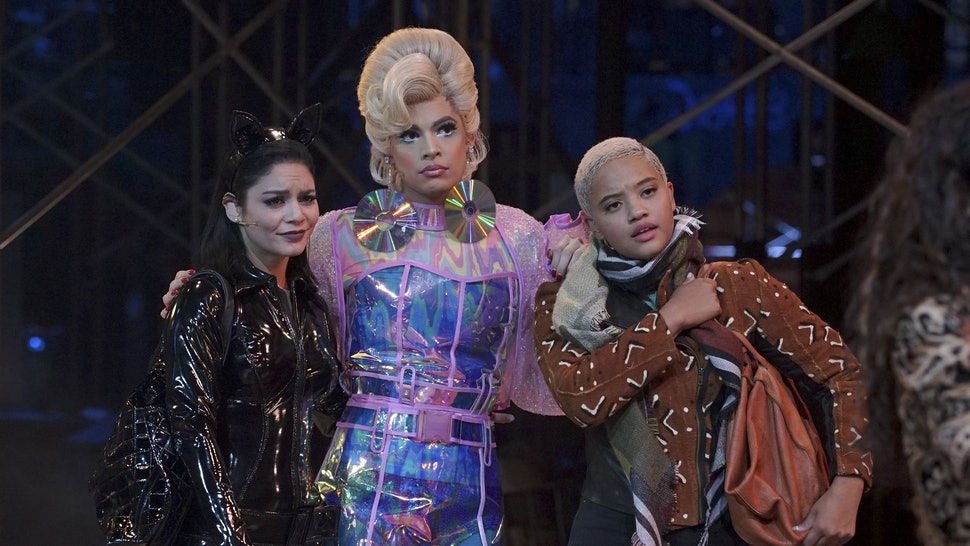 The Broadway production of "Rent" featured a simplistic set of a few tables, and the railing on which Mimi dances seductively during "Out Tonight." The new production featured hardwood flooring, beds, an actual motorcycle, and multi level set, where we get to see glimpses of Mimi's apartment.There is a new scene just before "I'll Cover You," the love song between gay HIV+ professor, Tom Collins, and drag queen--also HIV+--Angel Dumot Schunard. The added dialogue sees Angel asking Collins about her new outfit and proclaiming that this new costume is more "her." This new production did away with the notion of Angel as a cross dresser, and passed her off more as transgender.Other new scenes include extra bits with the Life Support meetings and their message of love and acceptance, as well as more authentic make up for the AIDS stricken characters.One scene in particular that I found genius was just before Mimi and Roger's tragic "Without You" number, where Mimi comes home late (out buying drugs) and Roger accuses her of cheating with Benny, their landlord and ex-friend; Roger coughs and Mimi asks if he's okay. That was not in the original production, nor any other that I have seen. Then, during the musical beds portion of the song, Roger gets into Angel's vacated hospital bed--complete with IVs. Whether this was to indicate that Roger had an AIDS scare and was hospitalized, or just a way to reuse a set piece without overcrowding the stage, I'm not sure, but regardless, I thought it was a nice addition, as well as Mark's narration that Angel had been hospitalized most of the winter. "Contact" the song in which the main characters all have sex with their respective partners (except Mark, who is masturbating) plays out much like it normally does on stage, with the exception of a near-death Angel seeming to revived and revitalized by the orgy on stage, only to die. This version of the song was more cybernetic and mechanical than previous versions, but I thought it worked well.
  While the show may have garnered lower rating than hoped, I don't feel that this is reflection on the show itself. The vocals were not perfect, but these imperfections added to the rawness of the show and made it more believable. The core message of the show -- No Day But Today -- is just as poignant now, as it was 22 years ago, as is the theme of acceptance, no matter someone's ethnicity, sexual orientation, or station in life. This show means the world to me, and I am proud that it's legacy and integrity were upheld. Hopefully a new generation of fans have now been spawned, and this show will never go unheard.
[post_title] => RENT Live: An Honest Review
[post_excerpt] =>
[post_status] => publish
[comment_status] => closed
[ping_status] => open
[post_password] =>
[post_name] => rent-live-an-honest-review
[to_ping] =>
[pinged] =>
[post_modified] => 2019-01-30 16:48:07
[post_modified_gmt] => 2019-01-30 21:48:07
[post_content_filtered] =>
[post_parent] => 0
[guid] => https://theatrenerds.com/?p=370630
[menu_order] => 0
[post_type] => post
[post_mime_type] =>
[comment_count] => 0
[filter] => raw
)
[20] => WP_Post Object
(
[ID] => 370631
[post_author] => 391
[post_date] => 2019-01-30 11:57:40
[post_date_gmt] => 2019-01-30 16:57:40
[post_content] =>
While the show may have garnered lower rating than hoped, I don't feel that this is reflection on the show itself. The vocals were not perfect, but these imperfections added to the rawness of the show and made it more believable. The core message of the show -- No Day But Today -- is just as poignant now, as it was 22 years ago, as is the theme of acceptance, no matter someone's ethnicity, sexual orientation, or station in life. This show means the world to me, and I am proud that it's legacy and integrity were upheld. Hopefully a new generation of fans have now been spawned, and this show will never go unheard.
[post_title] => RENT Live: An Honest Review
[post_excerpt] =>
[post_status] => publish
[comment_status] => closed
[ping_status] => open
[post_password] =>
[post_name] => rent-live-an-honest-review
[to_ping] =>
[pinged] =>
[post_modified] => 2019-01-30 16:48:07
[post_modified_gmt] => 2019-01-30 21:48:07
[post_content_filtered] =>
[post_parent] => 0
[guid] => https://theatrenerds.com/?p=370630
[menu_order] => 0
[post_type] => post
[post_mime_type] =>
[comment_count] => 0
[filter] => raw
)
[20] => WP_Post Object
(
[ID] => 370631
[post_author] => 391
[post_date] => 2019-01-30 11:57:40
[post_date_gmt] => 2019-01-30 16:57:40
[post_content] => How do you measure a year in the life? How about...love?FOX's "RENT: Live" finally premiered on January 27th after months of hype and anxious expectations from fans of the musical. With the hit-or-miss nature of live televised musicals, I pass no judgment until each premiere. That being said, as a longtime fan of "RENT," I found the "live" televised production to be somewhat of a mixed bag. On top of showing mostly pre-recorded footage due to a foot injury from Brennin Hunt (the cast's Roger), the entire broadcast was flawed, but not entirely hopeless. With contemporary musicals that have fanbases as large as "RENT," any post-Original Broadway Cast roster will be unfairly compared. The cast for this production is by no means untalented, but as a whole is unfortunately inconsistent. The roster seems better imagined than implemented. Some cast members such as Tinashe (as the club dancer Mimi Marquez) and Valentina (as the street percussionist and fashionista Angel Dumott Schunard) have commendable stage presence. They both look fierce in their respective solo numbers of “Out Tonight” and “Today 4 U, Tomorrow 4 Me.” Their vocals, on the other hand, are generally a poor fit for this show. While I don't see a future for Valentina in singing, Tinashe’s vocals are best heard in her signature R&B style and not rock musicals. Luckily, Tinashe's singing improves in the second act, as heard in “Without You” and the end of “Goodbye Love.” https://www.youtube.com/watch?v=tUYLR6ACe60 The saviors of this cast are unsurprisingly the ones with more musical theater experience. Brandon Victor Dixon, who stole the show as Judas in last year’s “Jesus Christ Superstar Live” for NBC, gives an impressive, tenor-voiced Tom Collins. It is a welcome change from the usual baritones tackling the role. Dixon’s riffs and spectacularly sustained high notes make the heartbreaking “I’ll Cover You (Reprise)” only more thrilling, and the lower notes never sound forced or gravelly. Elsewhere, Vanessa Hudgens shines as the performance artist Maureen Johnson. Although best known for doing the “High School Musical” series, her stints playing Gigi on Broadway and Rizzo in “Grease: Live” three years ago have clearly paid off. Hudgens nails the vocal prowess needed for “Take Me or Leave Me,” as well as the over-the-top exuberance for “Over the Moon.” Another Disney Channel alum, Jordan Fisher, has just the right blend of charm and quirk to make him one of my favorite Mark Cohens that I have seen. https://www.youtube.com/watch?v=T_Fctk9jSh8 Further adequate performances come from Kiersey Clemons as the lawyer Joanne Jefferson and R&B singer Mario as the yuppie landlord Benny Coffin III. Clemons immerses herself in the "classy, yet sassy" dry humor that makes her character so memorable. She does not always have solid high notes, but Clemons carries herself with dignity and comedic flair. These traits are especially present in the dialogue throughout "Tango: Maureen." Similarly, Mario gives a surprisingly convincing landlord and is careful not to overwhelm with too many vocal gymnastics. Finally, we have former X Factor contestant Brennin Hunt as Roger Davis. His performance as the singer-songwriter is a slow burn. In spite of his foot injury and pitchy vocals through the first act, he redeems himself in his heartrending rendition of “Your Eyes” towards the finale. https://www.youtube.com/watch?v=JjN0oYKGGRA Despite shortcomings from certain lead cast members, I have to give the ensemble their props. I love the background dancers' aggressive choreography in numbers such as "Rent" and sensual energy in "Tango: Maureen." Songs such as "Will I?," which is about fear of dying a so-called undignified death from AIDS, rarely leave a dry eye in the audience. The ensemble seriously delivered the emotion not just in "Will I?", but also in the musical's most famous number, the Act II opener "Seasons of Love." I always love a great featured soloist for this song, and who better to tackle those ending riffs than "Waitress" and "The Greatest Showman" star Keala Settle! Settle gracefully handles the soul and stamina needed for this song, and is a total gem in her brief appearances onstage. The ensemble’s closing rendition of "Seasons of Love" featured the Original Broadway Cast, and was a fitting, surreal finish to the broadcast. https://www.youtube.com/watch?v=6EObjUNvxu0 From a technical standpoint, the warehouse-like set for the live production is absolutely remarkable. Complete with brick walls and metal bars, it perfectly resembles the rough, Bohemian vibe of Manhattan's Alphabet City. I loved seeing the audience become involved towards the end of the broadcast. Crowd-surfing during "What You Own" and the full-house camera angles during "Finale B" helped keep momentum high. While the novelty of a live televised musical intrigues me, there are of course aspects that are bound to go wrong. Like NBC's "Hairspray Live!" from 2016, "RENT: Live" was not immune to issues with volume and sound mixing. Some performers' microphone feeds dropped out and made some scenes super distracting, particularly for Tinashe in "Out Tonight" and "La Vie Boheme." Another questionable aspect for me is which words get censored. I understand that network television is obviously going to change a few obscenities. That being said, why are some words and phrases such as "kink club," "goddamn," and "dildo" censored, but not "S&M," "masturbation," or "dyke"? It just does not add up. Without a doubt, this production has obstacles and imperfections. However, it does not diminish the cultural significance that Jonathan Larson’s work continues to have. Regardless of how even the purest "RENT" fans feel about the FOX broadcast, this presentation is not totally in vain. "RENT" is still relevant in the movement for LGBT+ rights and finding a cure for HIV/AIDS. Furthermore, it was a great choice of a show to do: contemporary, well-known, and containing the inspiring message of “no day but today.” NBC and FOX take serious risks by putting on live musicals, and I hope they continue to happen so that younger people see musical theatre’s broadening appeal. I hope that Larson's influence in telling realistic musical stories inspires future generations of thespians to discover their creative voices.
 When it comes to drama, Shakespeare’s ‘Richard III’ doesn’t fall short - as shown by this monologue spoken by the complex and emotionally-driven Lady Anne...
Monologue Length: Up to 2:00
"Set down, set down your honourable load,
If honour may be shrouded in a hearse,
Whilst I awhile obsequiously lament
The untimely fall of virtuous Lancaster.
Poor key-cold figure of a holy king!
Pale ashes of the house of Lancaster!
Thou bloodless remnant of that royal blood!
Be it lawful that I invocate thy ghost,
To hear the lamentations of Poor Anne,
Wife to thy Edward, to thy slaughter'd son,
Stabb'd by the selfsame hand that made these wounds!"
[Full Monologue HERE]
When it comes to drama, Shakespeare’s ‘Richard III’ doesn’t fall short - as shown by this monologue spoken by the complex and emotionally-driven Lady Anne...
Monologue Length: Up to 2:00
"Set down, set down your honourable load,
If honour may be shrouded in a hearse,
Whilst I awhile obsequiously lament
The untimely fall of virtuous Lancaster.
Poor key-cold figure of a holy king!
Pale ashes of the house of Lancaster!
Thou bloodless remnant of that royal blood!
Be it lawful that I invocate thy ghost,
To hear the lamentations of Poor Anne,
Wife to thy Edward, to thy slaughter'd son,
Stabb'd by the selfsame hand that made these wounds!"
[Full Monologue HERE]
 The woeful tale of Miss Julie dates back to 1888, written by playwright August Strindberg (it has since then been adapted into modern works such as the National Theatre’s production of ‘Julie’).
Monologue Length: 1:25 - 2:00
"And for that matter I have no secrets. You see, my mother was not of noble birth. She was brought up with ideas of equality, woman's freedom and all that. She had very decided opinions against matrimony, and when my father courted her she declared that she would never be his wife—but she did so for all that. I came into the world against my mother's wishes, I discovered, and was brought up like a child of nature by my mother, and taught everything that a boy must know as well; I was to be an example of a woman being as good as a man—I was made to go about in boy's clothes and take care of the horses and harness and saddle and hunt, and all such things; in fact, all over the estate women servants were taught to do men's work, with the result that the property came near being ruined—and so we became the laughing stock of the countryside. At last my father must have awakened from his bewitched condition, for he revolted, and ran things according to his ideas. My mother became ill—what it was I don't know, but she often had cramps and acted queerly—sometimes hiding in the attic or the orchard, and would even be gone all night at times. Then came the big fire which of course you have heard about. The house, the stables—everything was burned, under circumstances that pointed strongly to an incendiary, for the misfortune happened the day after the quarterly insurance was due and the premiums sent in by father were strangely delayed by his messenger so that they arrived too late."
The woeful tale of Miss Julie dates back to 1888, written by playwright August Strindberg (it has since then been adapted into modern works such as the National Theatre’s production of ‘Julie’).
Monologue Length: 1:25 - 2:00
"And for that matter I have no secrets. You see, my mother was not of noble birth. She was brought up with ideas of equality, woman's freedom and all that. She had very decided opinions against matrimony, and when my father courted her she declared that she would never be his wife—but she did so for all that. I came into the world against my mother's wishes, I discovered, and was brought up like a child of nature by my mother, and taught everything that a boy must know as well; I was to be an example of a woman being as good as a man—I was made to go about in boy's clothes and take care of the horses and harness and saddle and hunt, and all such things; in fact, all over the estate women servants were taught to do men's work, with the result that the property came near being ruined—and so we became the laughing stock of the countryside. At last my father must have awakened from his bewitched condition, for he revolted, and ran things according to his ideas. My mother became ill—what it was I don't know, but she often had cramps and acted queerly—sometimes hiding in the attic or the orchard, and would even be gone all night at times. Then came the big fire which of course you have heard about. The house, the stables—everything was burned, under circumstances that pointed strongly to an incendiary, for the misfortune happened the day after the quarterly insurance was due and the premiums sent in by father were strangely delayed by his messenger so that they arrived too late."
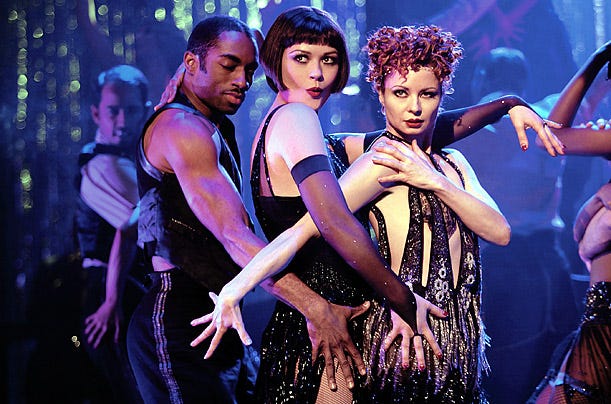 ...5, 6, 7, 8! Take on the role of Cook County Jail diva, Velma Kelly, who recounts her murderous mishap involving her late husband and sister.
Monologue Length: 0:40 - 1:00
"My sister, Veronica, and I did this double act and my husband, Charlie, traveled around with us. Now for the last number in our act, we did these 20 acrobatic tricks in a row, one, two, three, four, five...splits, spread eagles, flip flops, back flips, one right after the other. Well, this one night we were in Cicero, the three of us, sittin' up in a hotel room, boozin' and havin' a few laughs and we ran out of ice, so I went out to get some. I come back, open the door and there's Veronica and Charlie doing Number Seventeen--the spread eagle. Well, I was in such a state of shock, I completely blacked out. I can't remember a thing. It wasn't until later, when I was washing the blood off my hands I even knew they were dead."
...5, 6, 7, 8! Take on the role of Cook County Jail diva, Velma Kelly, who recounts her murderous mishap involving her late husband and sister.
Monologue Length: 0:40 - 1:00
"My sister, Veronica, and I did this double act and my husband, Charlie, traveled around with us. Now for the last number in our act, we did these 20 acrobatic tricks in a row, one, two, three, four, five...splits, spread eagles, flip flops, back flips, one right after the other. Well, this one night we were in Cicero, the three of us, sittin' up in a hotel room, boozin' and havin' a few laughs and we ran out of ice, so I went out to get some. I come back, open the door and there's Veronica and Charlie doing Number Seventeen--the spread eagle. Well, I was in such a state of shock, I completely blacked out. I can't remember a thing. It wasn't until later, when I was washing the blood off my hands I even knew they were dead."
 While ‘Little Shop Of Horrors’ offers audiences plenty of laughs (and horrors), it also carries a few heavy themes. Cue Audrey’s heartfelt monologue, denoting her hopes and dreams to live somewhere that’s green beyond Skid Row.
Monologue Length: 0:30 - 0:50
"I dream of a place where we could be together at last... It's just a daydream of mine. A little development that I dream of. Just off the interstate in a little suburb, far, far from urban Skid Row. The sweetest, greenest place - where everybody has the same little lawn out front and the same little flagstone patio out back. And all the houses are so neat and pretty... 'Cause they all look just alike. Oh, I dream about it all the time. Just me. And the toaster. And a sweet little guy - like Seymour..."
While ‘Little Shop Of Horrors’ offers audiences plenty of laughs (and horrors), it also carries a few heavy themes. Cue Audrey’s heartfelt monologue, denoting her hopes and dreams to live somewhere that’s green beyond Skid Row.
Monologue Length: 0:30 - 0:50
"I dream of a place where we could be together at last... It's just a daydream of mine. A little development that I dream of. Just off the interstate in a little suburb, far, far from urban Skid Row. The sweetest, greenest place - where everybody has the same little lawn out front and the same little flagstone patio out back. And all the houses are so neat and pretty... 'Cause they all look just alike. Oh, I dream about it all the time. Just me. And the toaster. And a sweet little guy - like Seymour..."
 Lynn Nottage’s play is set in 1905 and chronicles the journey of a young woman following her dreams in New York City.
Monologue Length: 0:50 - 1:00
"I come here from North Carolina at seventeen after my mother died of influenza. God bless her loving spirit. My father died two years later, he was a slave you see and didn’t take to life as a freeman. He’d lost his tongue during a nasty fight over a chicken when I was a baby, so I never heard him speak, no complaints, no praise, no gentle words, no goodbye. He was… silent. Broken really. I come to this city by myself, worked my way North little by little, picking berries in every state until I get here. An old woman in the rooming house teach me to sew intimate apparel, saying folks’ll pay you good money for your discretion. It was just about the best gift anybody give me. It was as though God kissed my hands when I first pulled the fabric through the sewing machine and held up a finished garment. I discovered all I need in these fingers. I wanted you to know that about me."
Lynn Nottage’s play is set in 1905 and chronicles the journey of a young woman following her dreams in New York City.
Monologue Length: 0:50 - 1:00
"I come here from North Carolina at seventeen after my mother died of influenza. God bless her loving spirit. My father died two years later, he was a slave you see and didn’t take to life as a freeman. He’d lost his tongue during a nasty fight over a chicken when I was a baby, so I never heard him speak, no complaints, no praise, no gentle words, no goodbye. He was… silent. Broken really. I come to this city by myself, worked my way North little by little, picking berries in every state until I get here. An old woman in the rooming house teach me to sew intimate apparel, saying folks’ll pay you good money for your discretion. It was just about the best gift anybody give me. It was as though God kissed my hands when I first pulled the fabric through the sewing machine and held up a finished garment. I discovered all I need in these fingers. I wanted you to know that about me."
 And here's to you, Mrs. Robinson… The story of ‘The Graduate’ has graced both screen and stage, an acclaimed script accompanying both.
Monologue Length: 0:30 - 0:45
"Long gone away somewhere I don’t know. I met your father, he used t’sing t’me. We’d be go someplace in the car and he would sing. He could sing. But not the high notes. Some songs he couldn’t get those high notes. So at school I had this teacher. Who taught the choir and the piano and the oboe, but the choir, so I know if you singing high up there you must think you breathing in, not out, as you go up… You understand? In, not out, and high as you like. So one night. In the car. I taught him. And right away, he could. And all the songs he used to sing… to want to sing… suddenly… he could sing ‘em. And you know what? He never sang to me again."
And here's to you, Mrs. Robinson… The story of ‘The Graduate’ has graced both screen and stage, an acclaimed script accompanying both.
Monologue Length: 0:30 - 0:45
"Long gone away somewhere I don’t know. I met your father, he used t’sing t’me. We’d be go someplace in the car and he would sing. He could sing. But not the high notes. Some songs he couldn’t get those high notes. So at school I had this teacher. Who taught the choir and the piano and the oboe, but the choir, so I know if you singing high up there you must think you breathing in, not out, as you go up… You understand? In, not out, and high as you like. So one night. In the car. I taught him. And right away, he could. And all the songs he used to sing… to want to sing… suddenly… he could sing ‘em. And you know what? He never sang to me again."
 If there’s one playwright who knows drama, it’s William Shakespeare. In one of his most-read works, the character of Queen Gertrude laments the death of Ophelia as she informs Ophelia’s brother, Laertes.
Monologue Length: 0:50 - 1:10
"One woe doth tread upon another's heel,
So fast they follow. Your sister's drown'd, Laertes.
Drown'd! O, where?
There is a willow grows aslant a brook,
That shows his hoar leaves in the glassy stream.
There with fantastic garlands did she come
Of crowflowers, nettles, daisies, and long purples,
That liberal shepherds give a grosser name,
But our cold maids do dead men's fingers call them.
There on the pendant boughs her coronet weeds
Clamb'ring to hang, an envious sliver broke,
When down her weedy trophies and herself
Fell in the weeping brook. Her clothes spread wide
And, mermaid-like, awhile they bore her up;
Which time she chaunted snatches of old tunes,
As one incapable of her own distress,
Or like a creature native and indued
Unto that element; but long it could not be
Till that her garments, heavy with their drink,
Pull'd the poor wretch from her melodious lay
To muddy death."
If there’s one playwright who knows drama, it’s William Shakespeare. In one of his most-read works, the character of Queen Gertrude laments the death of Ophelia as she informs Ophelia’s brother, Laertes.
Monologue Length: 0:50 - 1:10
"One woe doth tread upon another's heel,
So fast they follow. Your sister's drown'd, Laertes.
Drown'd! O, where?
There is a willow grows aslant a brook,
That shows his hoar leaves in the glassy stream.
There with fantastic garlands did she come
Of crowflowers, nettles, daisies, and long purples,
That liberal shepherds give a grosser name,
But our cold maids do dead men's fingers call them.
There on the pendant boughs her coronet weeds
Clamb'ring to hang, an envious sliver broke,
When down her weedy trophies and herself
Fell in the weeping brook. Her clothes spread wide
And, mermaid-like, awhile they bore her up;
Which time she chaunted snatches of old tunes,
As one incapable of her own distress,
Or like a creature native and indued
Unto that element; but long it could not be
Till that her garments, heavy with their drink,
Pull'd the poor wretch from her melodious lay
To muddy death."
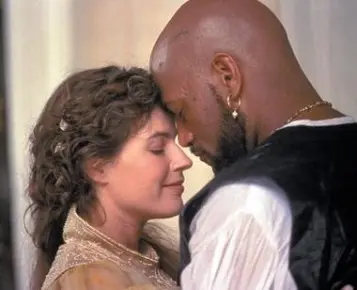 In another monologue penned by The Bard, Desdemona beckons the help of her friend, Iago, to win back her husband’s love and affections.
Monologue Length: 0:40 - 1:00
"O good Iago, What shall I do to win my lord again? Good friend, go to him; for, by this light of heaven, I know not how I lost him. Here I kneel: If e'er my will did trespass 'gainst his love, Either in discourse of thought or actual deed, Or that mine eyes, mine ears, or any sense, Delighted them in any other form; Or that I do not yet, and ever did. And ever will—though he do shake me off To beggarly divorcement—love him dearly, Comfort forswear me! Unkindness may do much; And his unkindness may defeat my life, But never taint my love. I cannot say 'whore:' It does abhor me now I speak the word; To do the act that might the addition earn Not the world's mass of vanity could make me."
In another monologue penned by The Bard, Desdemona beckons the help of her friend, Iago, to win back her husband’s love and affections.
Monologue Length: 0:40 - 1:00
"O good Iago, What shall I do to win my lord again? Good friend, go to him; for, by this light of heaven, I know not how I lost him. Here I kneel: If e'er my will did trespass 'gainst his love, Either in discourse of thought or actual deed, Or that mine eyes, mine ears, or any sense, Delighted them in any other form; Or that I do not yet, and ever did. And ever will—though he do shake me off To beggarly divorcement—love him dearly, Comfort forswear me! Unkindness may do much; And his unkindness may defeat my life, But never taint my love. I cannot say 'whore:' It does abhor me now I speak the word; To do the act that might the addition earn Not the world's mass of vanity could make me."
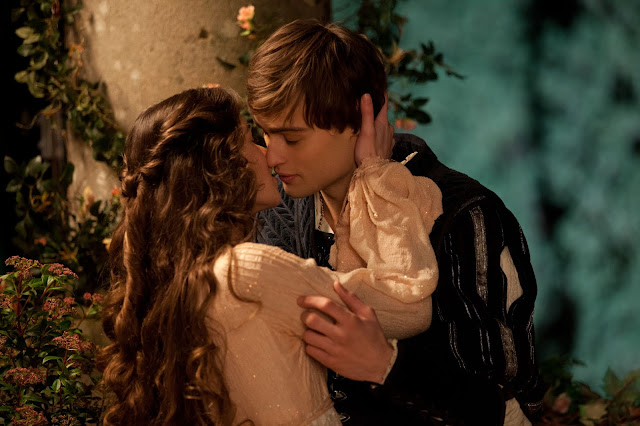 Perhaps the most iconic tragedy to date, ‘Romeo And Juliet’ bare countless woeful speeches. You can get your fill of drama with Juliet’s “Thou knowest the mask of night” monologue.
Monologue Length: 1:00 - 1:15
"Thou knowest the mask of night is on my face;
Else would a maiden blush bepaint my cheek
For that which thou hast heard me speak to-night.
Fain would I dwell on form -- fain, fain deny
What I have spoke; but farewell compliment!
Dost thou love me? I know thou wilt say 'Ay';
And I will take thy word. Yet, if thou swear'st,
Thou mayst prove false. At lovers' perjuries,
They say Jove laughs. O gentle Romeo,
If thou dost love, pronounce it faithfully.
Or if thou thinkest I am too quickly won,
I'll frown, and be perverse, and say thee nay,
So thou wilt woo; but else, not for the world.
In truth, fair Montague, I am too fond,
And therefore thou mayst think my havior light;
But trust me, gentleman, I'll prove more true
Than those that have more cunning to be strange.
I should have been more strange, I must confess,
But that thou overheard'st, ere I was ware,
My true-love passion. Therefore pardon me,
And not impute this yielding to light love,
Which the dark night hath so discovered."
Perhaps the most iconic tragedy to date, ‘Romeo And Juliet’ bare countless woeful speeches. You can get your fill of drama with Juliet’s “Thou knowest the mask of night” monologue.
Monologue Length: 1:00 - 1:15
"Thou knowest the mask of night is on my face;
Else would a maiden blush bepaint my cheek
For that which thou hast heard me speak to-night.
Fain would I dwell on form -- fain, fain deny
What I have spoke; but farewell compliment!
Dost thou love me? I know thou wilt say 'Ay';
And I will take thy word. Yet, if thou swear'st,
Thou mayst prove false. At lovers' perjuries,
They say Jove laughs. O gentle Romeo,
If thou dost love, pronounce it faithfully.
Or if thou thinkest I am too quickly won,
I'll frown, and be perverse, and say thee nay,
So thou wilt woo; but else, not for the world.
In truth, fair Montague, I am too fond,
And therefore thou mayst think my havior light;
But trust me, gentleman, I'll prove more true
Than those that have more cunning to be strange.
I should have been more strange, I must confess,
But that thou overheard'st, ere I was ware,
My true-love passion. Therefore pardon me,
And not impute this yielding to light love,
Which the dark night hath so discovered."
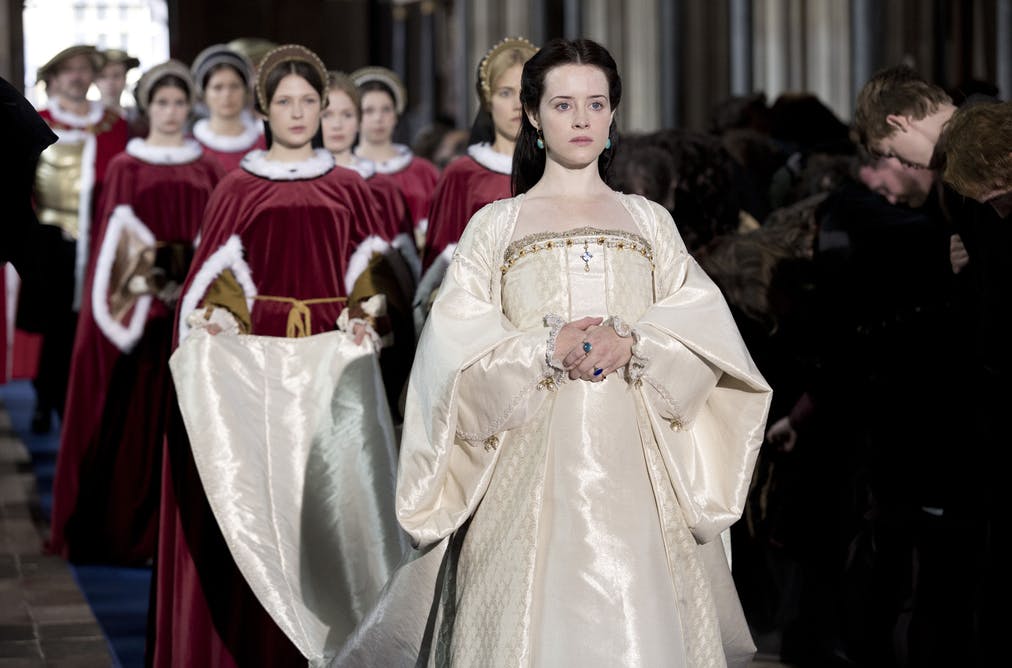 ‘Wolf Hall’ sheds light on the Tudor era of King Henry VIII and Anne Boleyn through the eyes of Thomas Cromwell. Channel your anguished inner queen with these words by Anne…
Monologue Length: 1:05 - 1:20
"Cremuel-- tell the Ambassador of the bill you are bringing into Parliament. I wish it made clear to your master, and to all Europe, that a bill is going through Parliament which settles the succession of England on my children. Mine. Not Katharine’s. When a son is born to me he shall succeed to the throne of England. And my daughters are and shall be royal princesses.
Cremuel’s bill declares that Katharine’s child Mary is a bastard-- she was never your wife, Henry, so the child you go on her is a bastard--is that not so, Cremuel? It’s not enough to put Mary out of the line of succession! It’s no good to me. I want her made a bastard. You bill will make her a bastard.
You are worried about her cousin, the Emperor? You don’t want to provoke him? No? Then I shall provoke him for you. I shall tell you, Ambassador, what will happen to Mary. The Princess Elizabeth is to have her own household and the bastard Mary will join it as her servant. She will go on her knees to my daughter. And if she won’t bend her knee then she shall be beaten and buffeted until she does bend. She will call my daughter Princess, or I shall make her suffer."
‘Wolf Hall’ sheds light on the Tudor era of King Henry VIII and Anne Boleyn through the eyes of Thomas Cromwell. Channel your anguished inner queen with these words by Anne…
Monologue Length: 1:05 - 1:20
"Cremuel-- tell the Ambassador of the bill you are bringing into Parliament. I wish it made clear to your master, and to all Europe, that a bill is going through Parliament which settles the succession of England on my children. Mine. Not Katharine’s. When a son is born to me he shall succeed to the throne of England. And my daughters are and shall be royal princesses.
Cremuel’s bill declares that Katharine’s child Mary is a bastard-- she was never your wife, Henry, so the child you go on her is a bastard--is that not so, Cremuel? It’s not enough to put Mary out of the line of succession! It’s no good to me. I want her made a bastard. You bill will make her a bastard.
You are worried about her cousin, the Emperor? You don’t want to provoke him? No? Then I shall provoke him for you. I shall tell you, Ambassador, what will happen to Mary. The Princess Elizabeth is to have her own household and the bastard Mary will join it as her servant. She will go on her knees to my daughter. And if she won’t bend her knee then she shall be beaten and buffeted until she does bend. She will call my daughter Princess, or I shall make her suffer."
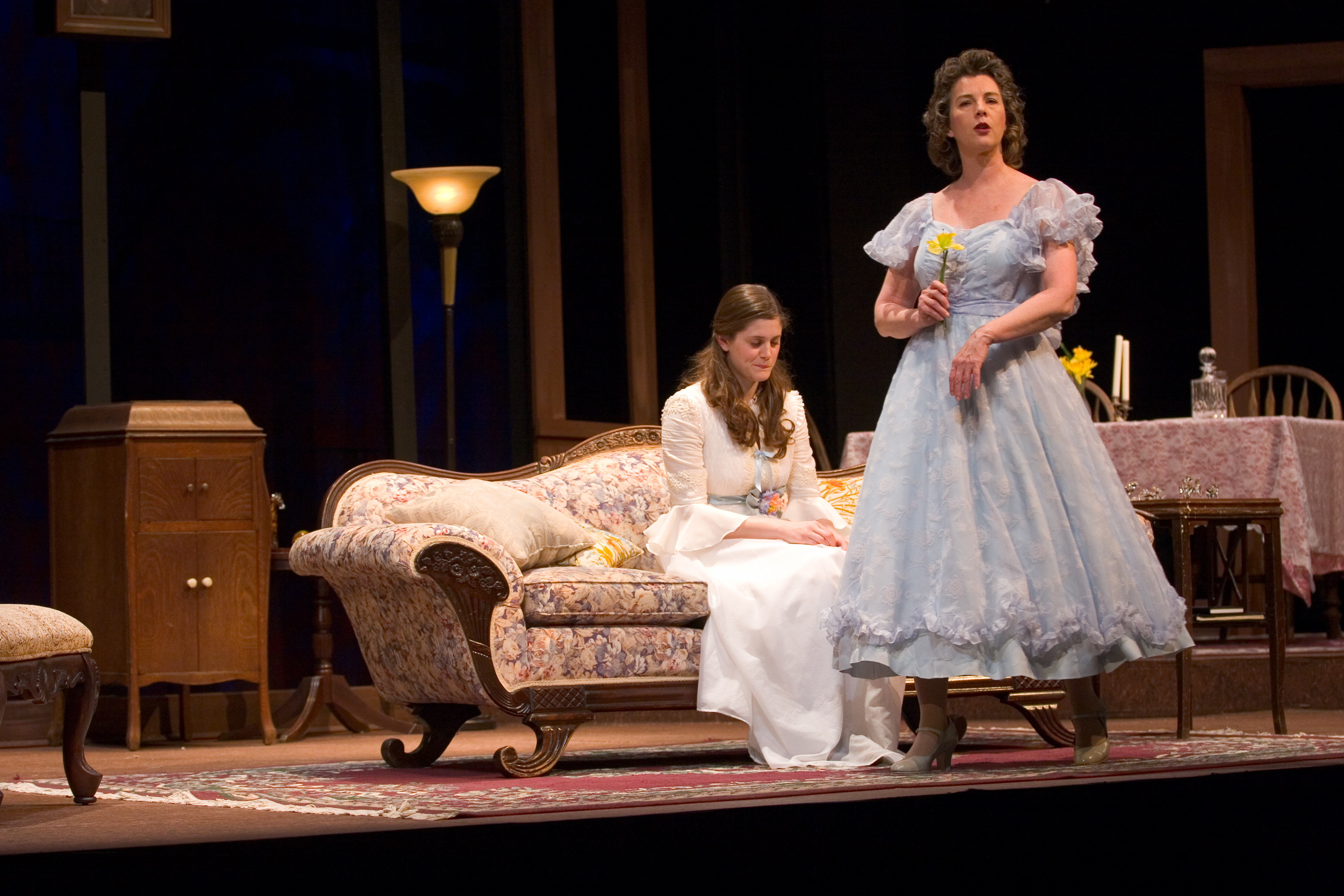 A devoted yet overprotective mother involves herself with the business of her children in this monologue from the acclaimed play, ‘The Glass Menagerie’.
Monologue Length: 1:25 - 1:40
"I went to the typing instructor and introduced myself as your mother. She didn’t know who you were. Wingfield, she said. We don’t have any such student enrolled at the school! I assured her she did, that you had been going to classes since early in January. ‘I wonder,’ she said, ‘if you could be talking about that terribly shy little girl who dropped out of school after only a few days’ attendance?’ ‘No,’ I said, ‘Laura, my daughter, has been going to school every day for the past six weeks!’ ‘Excuse me,’ she said. She took the attendance book out and there was your name, unmistakably printed, and all the dates you were absent until they decided that you had dropped out of school. I still said, ‘No, there must have been some mistake I There must have been some mix‐up in the records!’ And she said, ‘No – I remember her perfectly now. Her hands shook so that she couldn’t hit the right keys! The first time we gave a speed‐test, she broke down completely ‐ was sick at the stomach and almost had to be carried into the wash‐room! After that morning she never showed up any more. We phoned the house but never got any answer’ – while I was working at Famous and Barr, I suppose, demonstrating those – Oh! I felt so weak I could barely keep on my feet! I had to sit down while they got me a glass of water! Fifty dollars’ tuition, all of our plans – my hopes and ambition for you – just gone up the spout, just gone up the spout like that."
A devoted yet overprotective mother involves herself with the business of her children in this monologue from the acclaimed play, ‘The Glass Menagerie’.
Monologue Length: 1:25 - 1:40
"I went to the typing instructor and introduced myself as your mother. She didn’t know who you were. Wingfield, she said. We don’t have any such student enrolled at the school! I assured her she did, that you had been going to classes since early in January. ‘I wonder,’ she said, ‘if you could be talking about that terribly shy little girl who dropped out of school after only a few days’ attendance?’ ‘No,’ I said, ‘Laura, my daughter, has been going to school every day for the past six weeks!’ ‘Excuse me,’ she said. She took the attendance book out and there was your name, unmistakably printed, and all the dates you were absent until they decided that you had dropped out of school. I still said, ‘No, there must have been some mistake I There must have been some mix‐up in the records!’ And she said, ‘No – I remember her perfectly now. Her hands shook so that she couldn’t hit the right keys! The first time we gave a speed‐test, she broke down completely ‐ was sick at the stomach and almost had to be carried into the wash‐room! After that morning she never showed up any more. We phoned the house but never got any answer’ – while I was working at Famous and Barr, I suppose, demonstrating those – Oh! I felt so weak I could barely keep on my feet! I had to sit down while they got me a glass of water! Fifty dollars’ tuition, all of our plans – my hopes and ambition for you – just gone up the spout, just gone up the spout like that."
 Audiences are brought into the living room of one Chicago family in ‘A Raisin In The Sun’. Beneatha, one of the play’s main characters, discusses her past in the below snippet.
Monologue Length: 1:15 - 1:30
"When I was very small...we used to take our sleds out in the wintertime and the only hills we had were the ice covered stone steps of some houses down the street. And we used to fill them in with snow and make them smooth and slide down them all day...and it was very dangerous you know...far too steep...and sure enough one day a kid named Rufus came down too fast and hit the sidewalk...and we saw his face just split open right there in front of us...and I remember standing there looking at his bloody open face thinking that was the end of Rufus. But the ambulance came and they took him to the hospital and they fixed the broken bones and they sewed it all up...and the next time I saw Rufus he just had a little line down the middle of his face...I never got over that...
That that was what one person could do for another, fix him up--sew up the problem, make him all right again. That was the most marvelous thing in the world...I wanted to do that. I always thought it was the one concrete thing in the world that human being could do. Fix up the sick, you know--and make them whole again. This was truly being God..."
Audiences are brought into the living room of one Chicago family in ‘A Raisin In The Sun’. Beneatha, one of the play’s main characters, discusses her past in the below snippet.
Monologue Length: 1:15 - 1:30
"When I was very small...we used to take our sleds out in the wintertime and the only hills we had were the ice covered stone steps of some houses down the street. And we used to fill them in with snow and make them smooth and slide down them all day...and it was very dangerous you know...far too steep...and sure enough one day a kid named Rufus came down too fast and hit the sidewalk...and we saw his face just split open right there in front of us...and I remember standing there looking at his bloody open face thinking that was the end of Rufus. But the ambulance came and they took him to the hospital and they fixed the broken bones and they sewed it all up...and the next time I saw Rufus he just had a little line down the middle of his face...I never got over that...
That that was what one person could do for another, fix him up--sew up the problem, make him all right again. That was the most marvelous thing in the world...I wanted to do that. I always thought it was the one concrete thing in the world that human being could do. Fix up the sick, you know--and make them whole again. This was truly being God..."
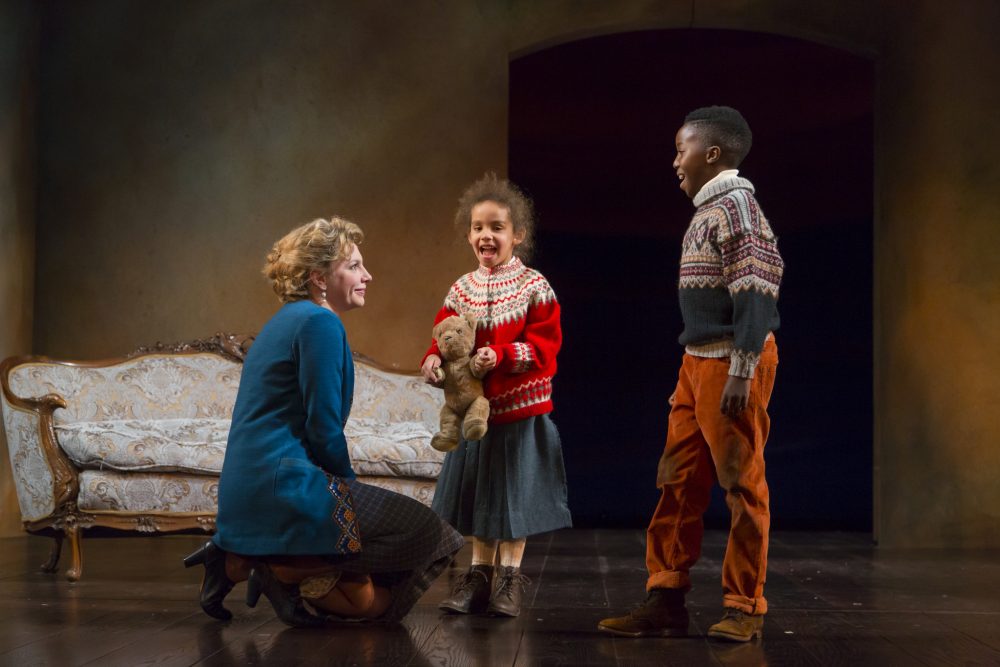 This play’s leading lady is a model housewife and mother plagued by an inner discontentment for her “perfect” world.
Monologue Length: 1:00 - 1:15
"Yes--someday, perhaps, after many years, when I am no longer as nice-looking as I am now. Don't laugh at me! I mean, of course, when Torvald is no longer as devoted to me as he is now; when my dancing and dressing-up and reciting have palled on him; then it may be a good thing to have something in reserve--[Breaking off.] What nonsense! That time will never come. Now, what do you think of my great secret, Christine? Do you still think I am of no use? I can tell you, too, that this affair has caused me a lot of worry. It has been by no means easy for me to meet my engagements punctually. I may tell you that there is something that is called, in business, quarterly interest, and another thing called payment in installments, and it is always so dreadfully difficult to manage them. I have had to save a little here and there, where I could, you understand. I have not been able to put aside much from my housekeeping money, for Torvald must have a good table. I couldn't let my children be shabbily dressed; I have felt obliged to use up all he gave me for them, the sweet little darlings!"
This play’s leading lady is a model housewife and mother plagued by an inner discontentment for her “perfect” world.
Monologue Length: 1:00 - 1:15
"Yes--someday, perhaps, after many years, when I am no longer as nice-looking as I am now. Don't laugh at me! I mean, of course, when Torvald is no longer as devoted to me as he is now; when my dancing and dressing-up and reciting have palled on him; then it may be a good thing to have something in reserve--[Breaking off.] What nonsense! That time will never come. Now, what do you think of my great secret, Christine? Do you still think I am of no use? I can tell you, too, that this affair has caused me a lot of worry. It has been by no means easy for me to meet my engagements punctually. I may tell you that there is something that is called, in business, quarterly interest, and another thing called payment in installments, and it is always so dreadfully difficult to manage them. I have had to save a little here and there, where I could, you understand. I have not been able to put aside much from my housekeeping money, for Torvald must have a good table. I couldn't let my children be shabbily dressed; I have felt obliged to use up all he gave me for them, the sweet little darlings!"
 In one of theatre’s most known works written by Tennessee Williams, Blanche DuBois shares her discovery of love and its tumultuous and tragic downfall.
Monologue Length: 1:50 - 2:10
"He was a boy, just a boy, when I was a very young girl. When I was sixteen, I made the discovery–love. All at once and much, much too completely. It was like you suddenly turned a blinding light on something that had always been half in shadow, that’s how it struck the world for me. But I was unlucky. Deluded. There was something different about the boy, a nervousness, a softness and tenderness which wasn’t like a man’s, although he wasn’t the least bit effeminate looking–still–that thing was there…. He came to me for help. I didn’t know that. I didn’t find out anything till after our marriage when we’d run away and come back and all I knew was I’d failed him in some mysterious way and wasn’t able to give the help he needed but couldn’t speak of! He was in the quicksands and clutching at me–but I wasn’t holding him out, I was slipping in with him! I didn’t know that. I didn’t know anything except I loved him unendurably but without being able to help him or help myself. Then I found out. In the worst of all possible ways. By coming suddenly into a room that I thought was empty–which wasn’t empty, but had two people in it… the boy I had married and an older man who had been his friend for years….
[... ...]
I ran out–all did!–all ran and gathered about the terrible thing at the edge of the lake! I couldn’t get near for the crowding. Then somebody caught my arm. “Don’t go any closer! Come back! You don’t want to see!” See? See what! Then I heard voices say–Allan! Allan! The Grey boy! He’d stuck the revolver into his mouth, and fired–so that the back of his head had been–blown away!
It was because–on the dance-floor–unable to stop myself–I’d suddenly said–“I saw! I know! You disgust me…” And then the searchlight which had been turned on the world was turned off again and never for one moment since has there been any light that’s stronger than this–kitchen– candle…"
In one of theatre’s most known works written by Tennessee Williams, Blanche DuBois shares her discovery of love and its tumultuous and tragic downfall.
Monologue Length: 1:50 - 2:10
"He was a boy, just a boy, when I was a very young girl. When I was sixteen, I made the discovery–love. All at once and much, much too completely. It was like you suddenly turned a blinding light on something that had always been half in shadow, that’s how it struck the world for me. But I was unlucky. Deluded. There was something different about the boy, a nervousness, a softness and tenderness which wasn’t like a man’s, although he wasn’t the least bit effeminate looking–still–that thing was there…. He came to me for help. I didn’t know that. I didn’t find out anything till after our marriage when we’d run away and come back and all I knew was I’d failed him in some mysterious way and wasn’t able to give the help he needed but couldn’t speak of! He was in the quicksands and clutching at me–but I wasn’t holding him out, I was slipping in with him! I didn’t know that. I didn’t know anything except I loved him unendurably but without being able to help him or help myself. Then I found out. In the worst of all possible ways. By coming suddenly into a room that I thought was empty–which wasn’t empty, but had two people in it… the boy I had married and an older man who had been his friend for years….
[... ...]
I ran out–all did!–all ran and gathered about the terrible thing at the edge of the lake! I couldn’t get near for the crowding. Then somebody caught my arm. “Don’t go any closer! Come back! You don’t want to see!” See? See what! Then I heard voices say–Allan! Allan! The Grey boy! He’d stuck the revolver into his mouth, and fired–so that the back of his head had been–blown away!
It was because–on the dance-floor–unable to stop myself–I’d suddenly said–“I saw! I know! You disgust me…” And then the searchlight which had been turned on the world was turned off again and never for one moment since has there been any light that’s stronger than this–kitchen– candle…"
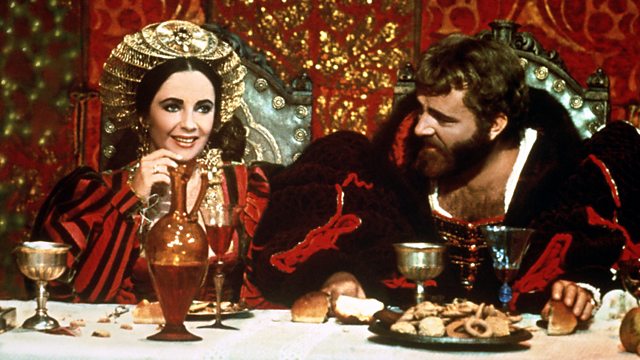 Shakespeare’s comedy (later adapted into musical form via ‘Kiss Me, Kate’) also brings drama to the table. If it’s an eloquent monologue comprised of old English you’re looking for, put your twist on Katherine’s “Fie, fie, unknit that threat'ning unkind brow…”
Monologue Length: Up to 2:15
"Fie, fie, unknit that threat'ning unkind brow
And dart not scornful glances from those eyes
To wound thy lord, thy king, thy governor.
It blots thy beauty as frosts do bite the meads,
Confounds thy fame as whirlwinds shake fair buds,
And in no sense is meet or amiable.
A woman moved is like a fountain troubled,
Muddy, ill-seeming, thick, bereft of beauty,
And while it is so, none so dry or thirsty
Will deign to sip or touch one drop of it.
Thy husband is thy lord, thy life, thy keeper,
Thy head, thy sovereign; one that cares for thee
And for thy maintenance; commits his body
To painful labor both by sea and land,
To watch the night in storms, the day in cold,
Whilst thou li'st warm at home, secure and safe;
And craves no other tribute at thy hands
But love, fair looks, and true obedience--
Too little payment for so great a debt."
[Full Monologue HERE]
Shakespeare’s comedy (later adapted into musical form via ‘Kiss Me, Kate’) also brings drama to the table. If it’s an eloquent monologue comprised of old English you’re looking for, put your twist on Katherine’s “Fie, fie, unknit that threat'ning unkind brow…”
Monologue Length: Up to 2:15
"Fie, fie, unknit that threat'ning unkind brow
And dart not scornful glances from those eyes
To wound thy lord, thy king, thy governor.
It blots thy beauty as frosts do bite the meads,
Confounds thy fame as whirlwinds shake fair buds,
And in no sense is meet or amiable.
A woman moved is like a fountain troubled,
Muddy, ill-seeming, thick, bereft of beauty,
And while it is so, none so dry or thirsty
Will deign to sip or touch one drop of it.
Thy husband is thy lord, thy life, thy keeper,
Thy head, thy sovereign; one that cares for thee
And for thy maintenance; commits his body
To painful labor both by sea and land,
To watch the night in storms, the day in cold,
Whilst thou li'st warm at home, secure and safe;
And craves no other tribute at thy hands
But love, fair looks, and true obedience--
Too little payment for so great a debt."
[Full Monologue HERE]
 Conquer this traditional dramatic monologue at your next audition. It’s spoken by Kate Hardcastle (also known as “Miss Hardcastle), the story’s heroine who yearns for true love.
Monologue Length: 1:45 - 2:00
"A reserved lover, it is said, always makes a suspicious husband. [...] He must have more striking features to catch me, I promise you. However, if he be so young, so handsome, and so everything as you mention, I believe he'll do still. I think I'll have him. [...] Well, if he refuses, instead of breaking my heart at his indifference, I'll only break my glass for its flattery, set my cap to some newer fashion, and look out for some less difficult admirer. [...] Lud, this news of papa’s puts me all in a flutter. Young, handsome; these he put last; but I put them foremost. Sensible, good-natured; I like all that. But then reserved, and sheepish, that’s much against him. Yet can’t he be cured of his timidity, by being taught to be proud of his wife? Yes, and can’t I--But I vow I’m disposing of the husband, before I have secured the lover."
Conquer this traditional dramatic monologue at your next audition. It’s spoken by Kate Hardcastle (also known as “Miss Hardcastle), the story’s heroine who yearns for true love.
Monologue Length: 1:45 - 2:00
"A reserved lover, it is said, always makes a suspicious husband. [...] He must have more striking features to catch me, I promise you. However, if he be so young, so handsome, and so everything as you mention, I believe he'll do still. I think I'll have him. [...] Well, if he refuses, instead of breaking my heart at his indifference, I'll only break my glass for its flattery, set my cap to some newer fashion, and look out for some less difficult admirer. [...] Lud, this news of papa’s puts me all in a flutter. Young, handsome; these he put last; but I put them foremost. Sensible, good-natured; I like all that. But then reserved, and sheepish, that’s much against him. Yet can’t he be cured of his timidity, by being taught to be proud of his wife? Yes, and can’t I--But I vow I’m disposing of the husband, before I have secured the lover."
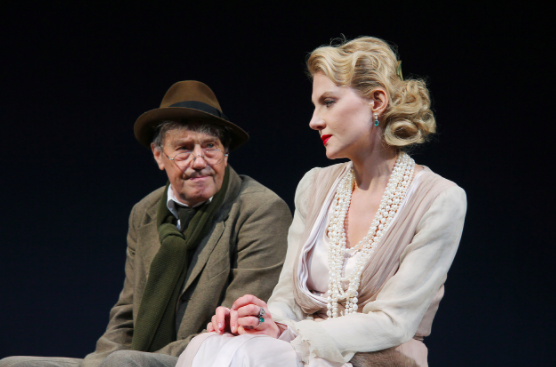 In Chekhov’s symbolic drama, the role of Lyuba encompasses a richly complex woman who continually attempts to run from her troubles in search of a happier life.
Monologue Length: 1:10 - 1:25
"Oh, my sins.... I’ve always scattered money about without holding myself in, like a madwoman, and I married a man who made nothing but debts. My husband died of champagne—he drank terribly—and to my misfortune, I fell in love with another man and went off with him, and just at that time—it was my first punishment, a blow that hit me right on the head—here, in the river... my boy was drowned, and I went away, quite away, never to return, never to see this river again...I shut my eyes and ran without thinking, but he ran after me... without pity, without respect. I bought a villa near Mentone because he fell ill there, and for three years I knew no rest either by day or night; the sick man wore me out, and my soul dried up. And last year, when they had sold the villa to pay my debts, I went away to Paris, and there he robbed me of all I had and threw me over and went off with another woman. I tried to poison myself.... It was so silly, so shameful.... And suddenly I longed to be back in Russia, my own land, with my little girl.... [Wipes her tears] Lord, Lord be merciful to me, forgive me my sins! Punish me no more! [Takes a telegram out of her pocket] I had this to-day from Paris.... He begs my forgiveness, he implores me to return.... [Tears it up] Don’t I hear music? [Listens.]"
In Chekhov’s symbolic drama, the role of Lyuba encompasses a richly complex woman who continually attempts to run from her troubles in search of a happier life.
Monologue Length: 1:10 - 1:25
"Oh, my sins.... I’ve always scattered money about without holding myself in, like a madwoman, and I married a man who made nothing but debts. My husband died of champagne—he drank terribly—and to my misfortune, I fell in love with another man and went off with him, and just at that time—it was my first punishment, a blow that hit me right on the head—here, in the river... my boy was drowned, and I went away, quite away, never to return, never to see this river again...I shut my eyes and ran without thinking, but he ran after me... without pity, without respect. I bought a villa near Mentone because he fell ill there, and for three years I knew no rest either by day or night; the sick man wore me out, and my soul dried up. And last year, when they had sold the villa to pay my debts, I went away to Paris, and there he robbed me of all I had and threw me over and went off with another woman. I tried to poison myself.... It was so silly, so shameful.... And suddenly I longed to be back in Russia, my own land, with my little girl.... [Wipes her tears] Lord, Lord be merciful to me, forgive me my sins! Punish me no more! [Takes a telegram out of her pocket] I had this to-day from Paris.... He begs my forgiveness, he implores me to return.... [Tears it up] Don’t I hear music? [Listens.]"
 Whether she’s bantering with her own reflection or acting like her supernatural tricks are totally normal, Mary Poppins is full of sass. In the original film, Mary pays the Banks family a visit after answering an unpublished “nanny advertisement” written by young Jane and Michael. When Mr. Banks is puzzled by how this ad written by his children has actually been seen, Mary makes him feel like he’s the fool. In the sequel, her cleverness is just as savage as she downplays her mystical ways leaving others to feel like a talking umbrella should be an everyday occurrence. It’s all part of Mary Poppins being practically perfect in every way... and we love it!
 In ‘Mary Poppins Returns’, it doesn’t take long for audiences to come across a cartoon clan of singing, dancing, talking animals. A bathtub transforms into a giant, bubble-filled ocean and a ceramic bowl, used for decor in the nursery, becomes a world in which the new generation of Banks children take a carriage ride to the Royal Doulton Music Hall. While the original movie’s animated sidewalk-chalk world is quite literally a jolly holiday, the new iteration includes a menacing cartoon villain who teaches the children a valuable life lesson. Differences aside, the sequel pays tribute to Mary Poppins’ magic and features a band of familiar tap-dancing penguins.
 Not only is the beloved original film as sweet as a spoonful of sugar but it carries a powerful message as well. By the time Mary ventures on from the Banks family, it’s pretty apparent that her real purpose was to show Jane and Michael’s no-nonsense father that life is more than working for a paycheck. In the sequel we find Michael, now a father of three, drowning in bills after the passing of his wife. Once again, Mary Poppins arrives to tend to the children but ends up teaching Michael a thing or two.
 When it comes to fixing family issues, Mary doesn’t have to do much. Her strange and sudden arrival in both movies is a catalyst for the children and their father to improve a strained relationship. Most of the time these lessons are strategically coordinated in a practically perfect way by Mary Poppins herself.
 First, we had Bert, the chimney sweep, and now we have Jack, a lamplighter. We may not know how Bert first encountered a magical nanny, but he’s clearly savvy about Mary Poppins' unconventional methods and joins her and the children on their many adventures. Jack from ‘Mary Poppins Returns’ (Lin-Manuel Miranda) makes it clear that Mary was once his nanny and accompanies her and the children into imaginative worlds as well.
 Remember when the adorable Michael Banks didn't want to invest his money and instead wanted to give his tuppence to the bird lady? In ‘Mary Poppins Returns,’ Michael is all grown up and working at his father’s bank but primarily considers himself an artist. Our money is on the fact that Michael likely considers passion more important than dollar signs as his father learned this lesson in the first film.
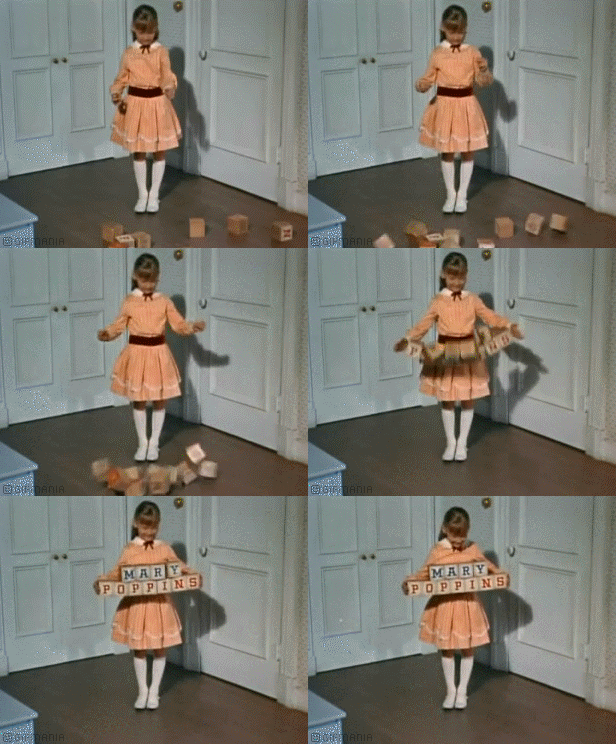 Similar to Michael mirroring his father, Jane holds similarities to the original Mrs. Banks. Her mother was a suffragette advocating for women’s rights in ‘Mary Poppins’, and we now find Jane spearheading labor union rallies.
 We may see similarities between Jack and Bert or the Banks children and their parents, but character foils don’t stop there. Instead of kooky Uncle Albert who loves to laugh so much that he consistently floats on the ceiling, we are introduced to Mary Poppins' cousin, Topsy, whose world very literally turns upside down. Rather than the bird lady, Angela Lansbury portrays the balloon lady. Plus, Dick Van Dyke plays Mr. Dawes, the bank's director, again!
 Mary Poppins might be prim and proper, but she doesn’t have any regard for rules of the English language. In the original film, she creates new words (AKA “supercalifragilisticexpialidocious”) and teaches the children the practice of nonsensical rhyming in the sequel.
 If there’s one thing chimney sweeps and lamplighters are good for it’s a Broadway-style dance number. Everyone knows the classic tune, “Step In Time,” and it’s safe to say that new generations will be humming the ‘Mary Poppins Returns’ version, “Trip A Little Light Fantastic.” Both are big dance scenes that include a lot of Mary Poppins magic.
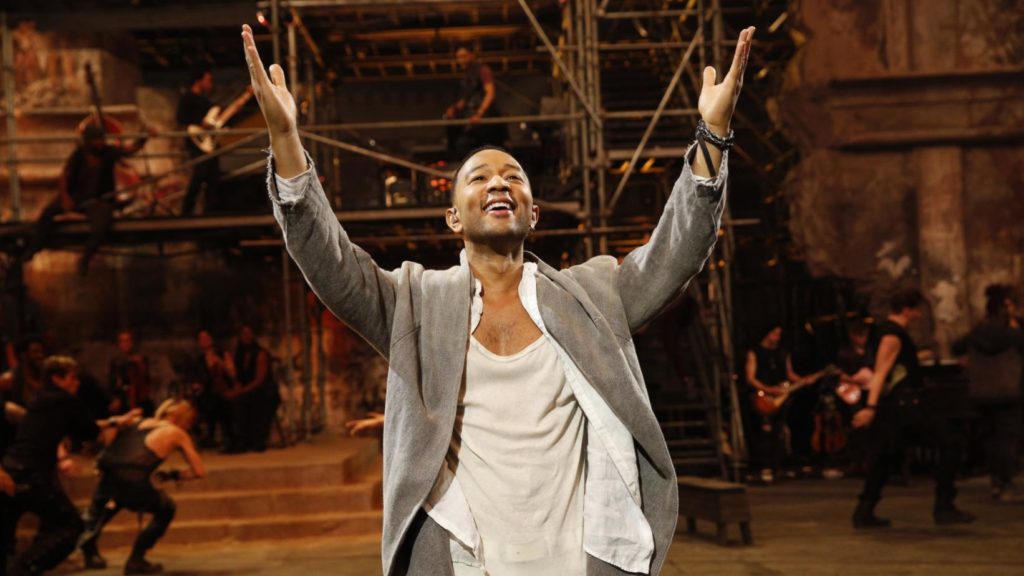 Fans of the NBC special starring John Legend and Sara Bareilles can rejoice! Hulu’s addition of ‘Jesus Christ Superstar Live In Concert’ is a blessing for any musical theatre nerd hoping to jam to some Andrew Lloyd Webber tunes. This reimagined concert version might be a little different than the original production but it’s got the same iconic hits from “Superstar” to “I Don’t Know How To Love Him”.
 Based on the 1980 film and its subsequent stage version, the remake of ‘Fame’ follows a group of ambitious students who attend a performing arts high school in New York City. Angst, drama, song and dance take the lead in this coming of age musical.
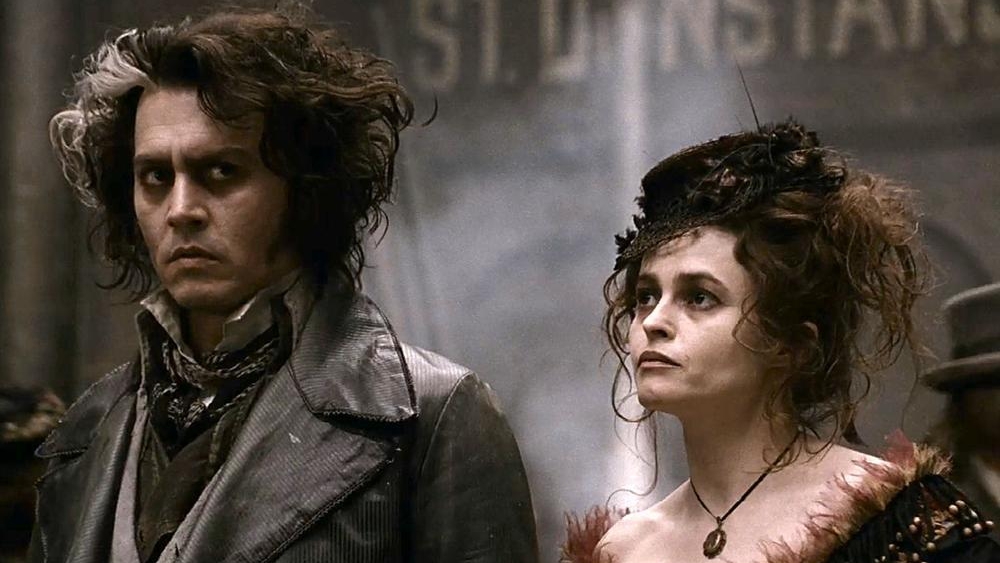 Attend the tale of Sweeney Todd; his skin was pale and his eye was odd! This dark musical chronicles the life of a barber who seeks revenge after tragedy falls on his wife and daughter. Put those jazz hands away for this one, ladies and gents. ‘Sweeney Todd’ is blood, guts, and lots and lots of Sondheim.
 While not a traditional musical by any means, ‘Fantasia 2000’ brings to life some of the greatest music of all time. This Disney sequel follows suit with the first iteration of ‘Fantasia’, combining classical works by famous composers and animated sequences. For a theatre nerd, it’s the perfect pick on a relaxing rainy day.
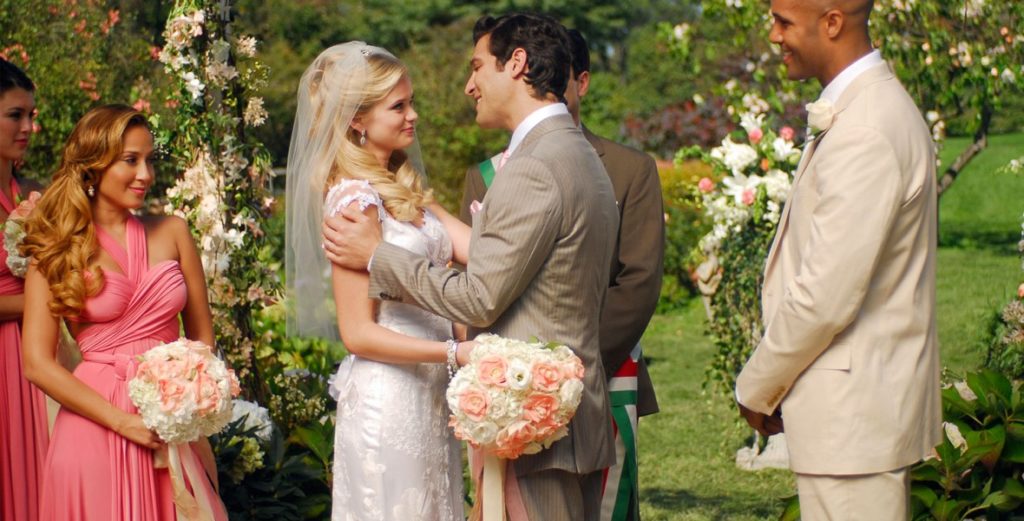 If you’ve spent the last month binge-watching every cheesy Netflix movie in the book (both installments of ‘The Christmas Prince’, perhaps?), then this musical might just be your cup of tea. ABC Family/Freeform curated this jukebox treasure which sets songs such as “I Wanna Dance With Somebody” and “DJ Got Us Fallin’ In Love” to one former Broadway dancer’s love story.
 Whether you’re mourning that Halloween has come and gone or counting down the days until Christmas, Tim Burton’s popular film will do just the trick. Though the spooky story has yet to grace the stage, it comes with a catchy soundtrack and memorable protagonist by the name of Jack Skellington. We’re here for that.
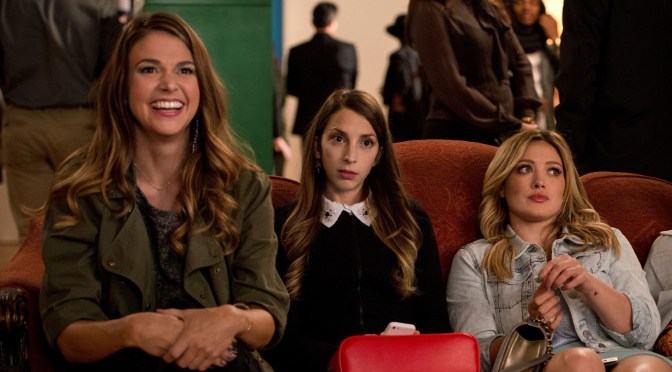 Okay, this series is not a musical but it’s bound to keep fans of musical theatre just as happy - it’s chock full of major Broadway stars. Tony Award-winner Sutton Foster leads the show playing Liza Miller, a 40-year-old mother and divorcée who lands a job at a major publishing house after fibbing about her age (hint: she passes as a much younger 26-year-old). The cast also includes ‘Hedwig and the Angry Inch’ actress Miriam Shor with guest appearances from other show-tune singers such as Laura Benanti and Christian Borle. All five seasons are currently available on Hulu.
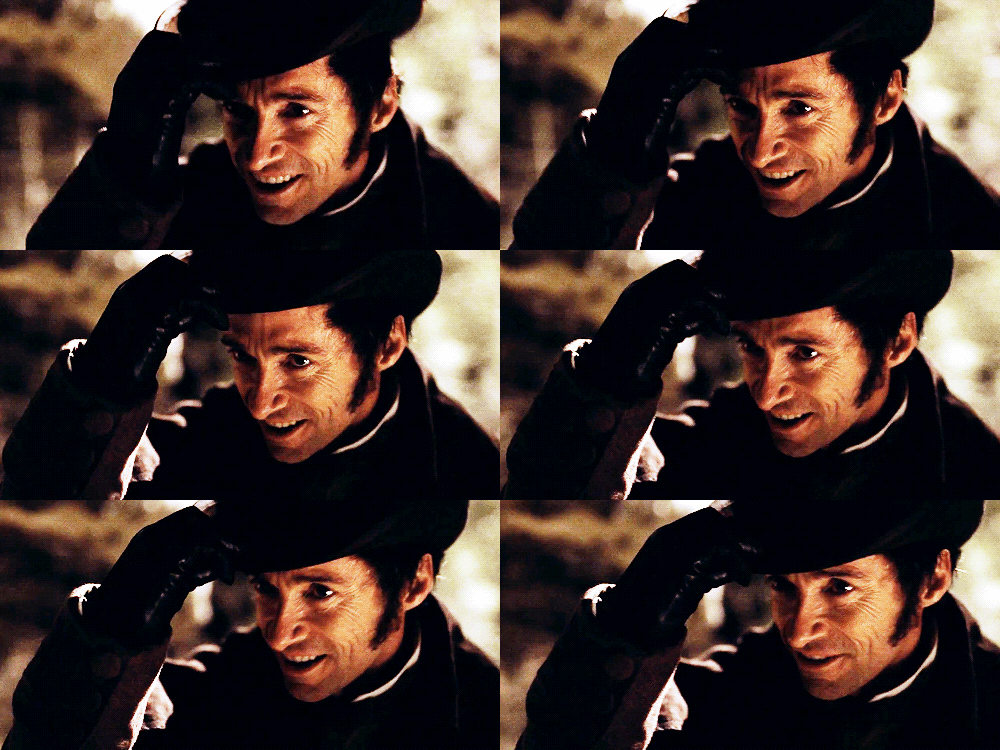 If you know anything about musical theatre, you’ve probably heard songs from ‘Les Misérables’ in some form. As one of Broadway’s greatest shows of all time, ‘Les Mis’ depicts Victor Hugo’s tale of Jean Valjean, a man who committed a crime and subsequently dedicates his life to living with grace and kindness. It’s a tale of forgiveness and second chances that will inspire you to better yourself this coming year.
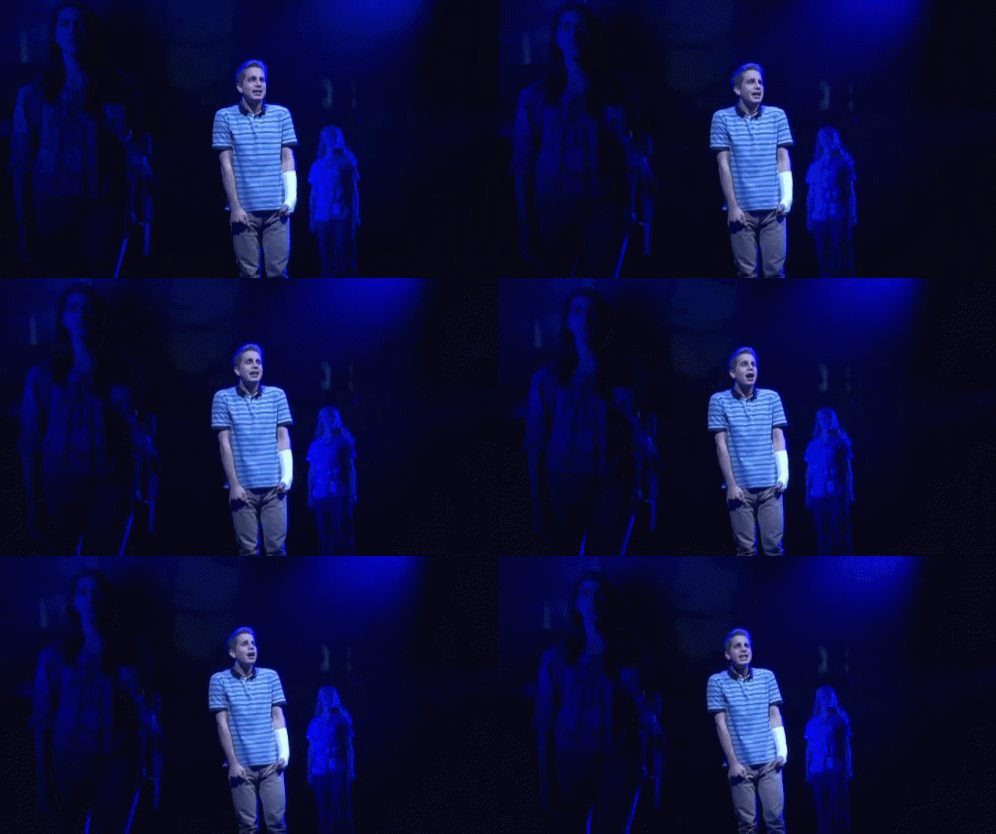
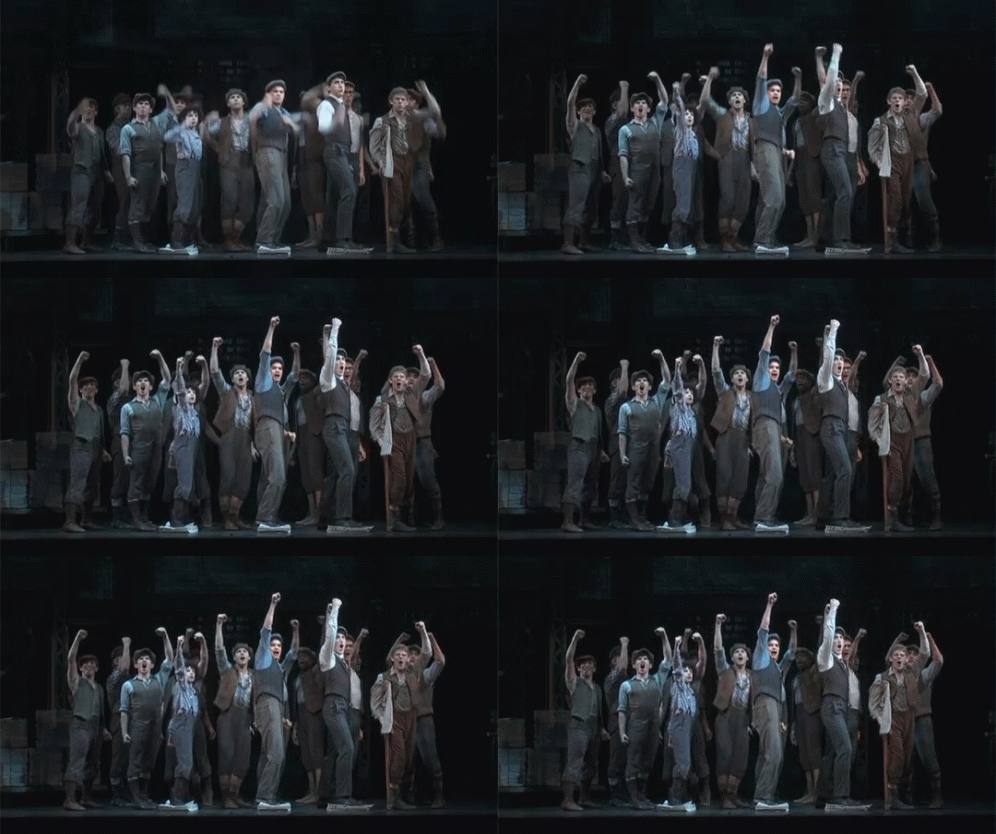 Seize the day and make your dreams happen! Chances are, you have a few things you’d like to accomplish come January. Whether it’s personal, professional or something as small as taking up a new hobby, listening to a soundtrack like ‘Newsies’ can put your mind and heart in the right place.
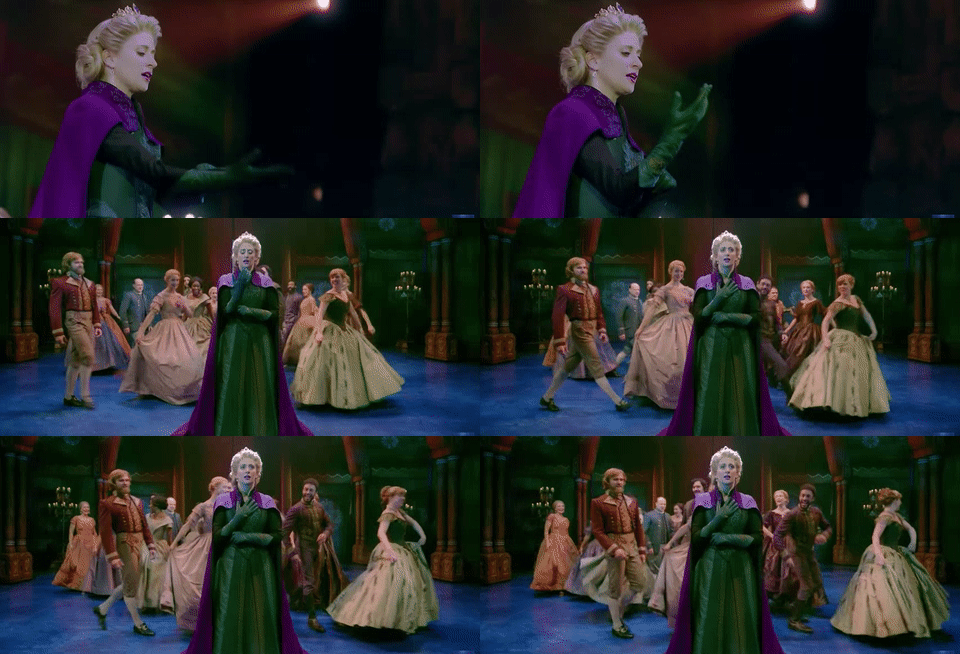 Blast this Broadway soundtrack and let 2018 go.
 From regular working-class woman to musical sensation, Gloria Estefan’s bio-musical is full of trials, tribulations, and conga. In case you need any more reason for the rhythm to get you, the show is full of motivational songs. Don’t take our word for it; take Gloria’s: “Get on your feet, get up and make it happen!”
 Though known by many for being dark and sad, ‘Rent’ has stood the test of time as an empowering and impactful musical. Songs like “No Day But Today” remind us not to take any day for granted and to live in the moment. It’s the perfect start to your new season of love.
 Because we must never forget that “the sun'll come out tomorrow, bet your bottom dollar that tomorrow there'll be sun.”
HONORABLE MENTION
Because we must never forget that “the sun'll come out tomorrow, bet your bottom dollar that tomorrow there'll be sun.”
HONORABLE MENTION
 While this musical has yet to storm the stage, it’s only a matter of time. ‘The Great Showman’ has already found its fandom in the theatre nerd community, and we’re letting its music be our mantra in the new year. Get ready, 2019... THIS IS ME!
[post_title] => 16 Broadway Musical Cast Albums That Will Inspire You In The New Year
[post_excerpt] =>
[post_status] => publish
[comment_status] => open
[ping_status] => open
[post_password] =>
[post_name] => 16-broadway-musical-cast-albums-that-will-inspire-you-in-the-new-year
[to_ping] =>
[pinged] =>
[post_modified] => 2019-01-03 10:54:40
[post_modified_gmt] => 2019-01-03 15:54:40
[post_content_filtered] =>
[post_parent] => 0
[guid] => https://theatrenerds.com/?p=369878
[menu_order] => 0
[post_type] => post
[post_mime_type] =>
[comment_count] => 4
[filter] => raw
)
[34] => WP_Post Object
(
[ID] => 369694
[post_author] => 11
[post_date] => 2018-12-28 10:28:05
[post_date_gmt] => 2018-12-28 15:28:05
[post_content] => [viralQuiz id=92]
[post_title] => Quiz: Are You Elsa Or Anna From 'Frozen'?
[post_excerpt] =>
[post_status] => publish
[comment_status] => open
[ping_status] => open
[post_password] =>
[post_name] => quiz-are-you-elsa-or-anna-from-frozen
[to_ping] =>
[pinged] =>
[post_modified] => 2019-03-14 11:13:53
[post_modified_gmt] => 2019-03-14 15:13:53
[post_content_filtered] =>
[post_parent] => 0
[guid] => https://theatrenerds.com/?p=369694
[menu_order] => 0
[post_type] => post
[post_mime_type] =>
[comment_count] => 4
[filter] => raw
)
[35] => WP_Post Object
(
[ID] => 369569
[post_author] => 11
[post_date] => 2018-12-12 08:59:22
[post_date_gmt] => 2018-12-12 13:59:22
[post_content] => [viralQuiz id=91]
[post_title] => Quiz: Describe Your Ideal Holiday Season And We'll Tell You Which Festive Show Tune Is Your Theme Song
[post_excerpt] =>
[post_status] => publish
[comment_status] => open
[ping_status] => open
[post_password] =>
[post_name] => quiz-describe-your-ideal-holiday-season-and-well-tell-you-which-festive-show-tune-is-your-theme-song
[to_ping] =>
[pinged] =>
[post_modified] => 2018-12-12 09:03:49
[post_modified_gmt] => 2018-12-12 14:03:49
[post_content_filtered] =>
[post_parent] => 0
[guid] => https://theatrenerds.com/?p=369569
[menu_order] => 0
[post_type] => post
[post_mime_type] =>
[comment_count] => 2
[filter] => raw
)
)
[post_count] => 36
[current_post] => -1
[before_loop] => 1
[in_the_loop] =>
[post] => WP_Post Object
(
[ID] => 371154
[post_author] => 11
[post_date] => 2019-03-15 10:30:13
[post_date_gmt] => 2019-03-15 14:30:13
[post_content] => Our incurable addiction to ‘Hamilton’ is still alive and well (*cue “Stay Alive” track*) and one chronic symptom is browsing tens of thousands of ‘Hamilton’ memes on the reg. If you’re reading this article… you may also have this problem.
While this musical has yet to storm the stage, it’s only a matter of time. ‘The Great Showman’ has already found its fandom in the theatre nerd community, and we’re letting its music be our mantra in the new year. Get ready, 2019... THIS IS ME!
[post_title] => 16 Broadway Musical Cast Albums That Will Inspire You In The New Year
[post_excerpt] =>
[post_status] => publish
[comment_status] => open
[ping_status] => open
[post_password] =>
[post_name] => 16-broadway-musical-cast-albums-that-will-inspire-you-in-the-new-year
[to_ping] =>
[pinged] =>
[post_modified] => 2019-01-03 10:54:40
[post_modified_gmt] => 2019-01-03 15:54:40
[post_content_filtered] =>
[post_parent] => 0
[guid] => https://theatrenerds.com/?p=369878
[menu_order] => 0
[post_type] => post
[post_mime_type] =>
[comment_count] => 4
[filter] => raw
)
[34] => WP_Post Object
(
[ID] => 369694
[post_author] => 11
[post_date] => 2018-12-28 10:28:05
[post_date_gmt] => 2018-12-28 15:28:05
[post_content] => [viralQuiz id=92]
[post_title] => Quiz: Are You Elsa Or Anna From 'Frozen'?
[post_excerpt] =>
[post_status] => publish
[comment_status] => open
[ping_status] => open
[post_password] =>
[post_name] => quiz-are-you-elsa-or-anna-from-frozen
[to_ping] =>
[pinged] =>
[post_modified] => 2019-03-14 11:13:53
[post_modified_gmt] => 2019-03-14 15:13:53
[post_content_filtered] =>
[post_parent] => 0
[guid] => https://theatrenerds.com/?p=369694
[menu_order] => 0
[post_type] => post
[post_mime_type] =>
[comment_count] => 4
[filter] => raw
)
[35] => WP_Post Object
(
[ID] => 369569
[post_author] => 11
[post_date] => 2018-12-12 08:59:22
[post_date_gmt] => 2018-12-12 13:59:22
[post_content] => [viralQuiz id=91]
[post_title] => Quiz: Describe Your Ideal Holiday Season And We'll Tell You Which Festive Show Tune Is Your Theme Song
[post_excerpt] =>
[post_status] => publish
[comment_status] => open
[ping_status] => open
[post_password] =>
[post_name] => quiz-describe-your-ideal-holiday-season-and-well-tell-you-which-festive-show-tune-is-your-theme-song
[to_ping] =>
[pinged] =>
[post_modified] => 2018-12-12 09:03:49
[post_modified_gmt] => 2018-12-12 14:03:49
[post_content_filtered] =>
[post_parent] => 0
[guid] => https://theatrenerds.com/?p=369569
[menu_order] => 0
[post_type] => post
[post_mime_type] =>
[comment_count] => 2
[filter] => raw
)
)
[post_count] => 36
[current_post] => -1
[before_loop] => 1
[in_the_loop] =>
[post] => WP_Post Object
(
[ID] => 371154
[post_author] => 11
[post_date] => 2019-03-15 10:30:13
[post_date_gmt] => 2019-03-15 14:30:13
[post_content] => Our incurable addiction to ‘Hamilton’ is still alive and well (*cue “Stay Alive” track*) and one chronic symptom is browsing tens of thousands of ‘Hamilton’ memes on the reg. If you’re reading this article… you may also have this problem.
2.5k Shares2 Comments

6.8k Shares35 Comments


643 Shares

427 Shares

439 Shares

55.5k Shares1 Comment


5.6k Shares

1k Shares


1.3k Shares

814 Shares

867 Shares


2.1k Shares

1.7k Shares


684 Shares4 Comments


842 Shares


1.4k Shares1 Comment

1.4k Shares4 Comments

946 Shares4 Comments

©2019 TheatreNerds™

Here you'll find all collections you've created before.